
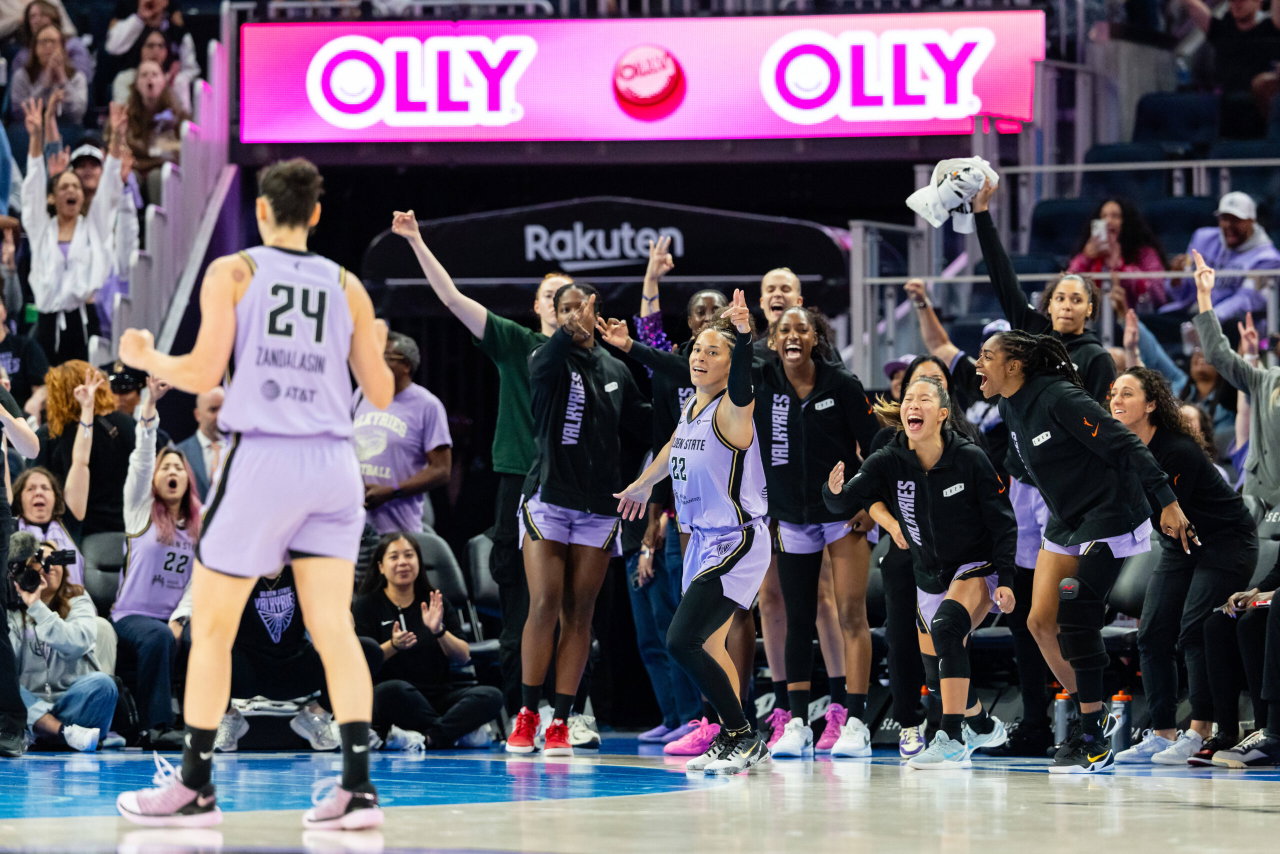
Expansion franchises are usually expected to stumble before they soar. The Golden State Valkyries tore that script apart. In just two years, they’ve gone from concept to billion‑dollar powerhouse, playoff contender, and the WNBA’s gold standard for player experience, fan engagement, and organizational culture. They didn’t just get it right; they redefined what getting it right looks like.
Watch What’s Trending Now!
By contrast, Portland Fire and Toronto Tempo’s 2026 debuts have been far more familiar. Both sit at the bottom of the standings, struggling to find rhythm. Golden State’s first season shattered expectations with a 23‑21 record and a playoff berth. Portland and Toronto are living the nightmare expansion teams usually face.
So what exactly are the Valkyries doing differently? And what lessons should Portland, Toronto, and even the future Cleveland Sirens absorb? Here are five lessons they can learn from Valkyries’ growth.
Putting Players First in Every Decision
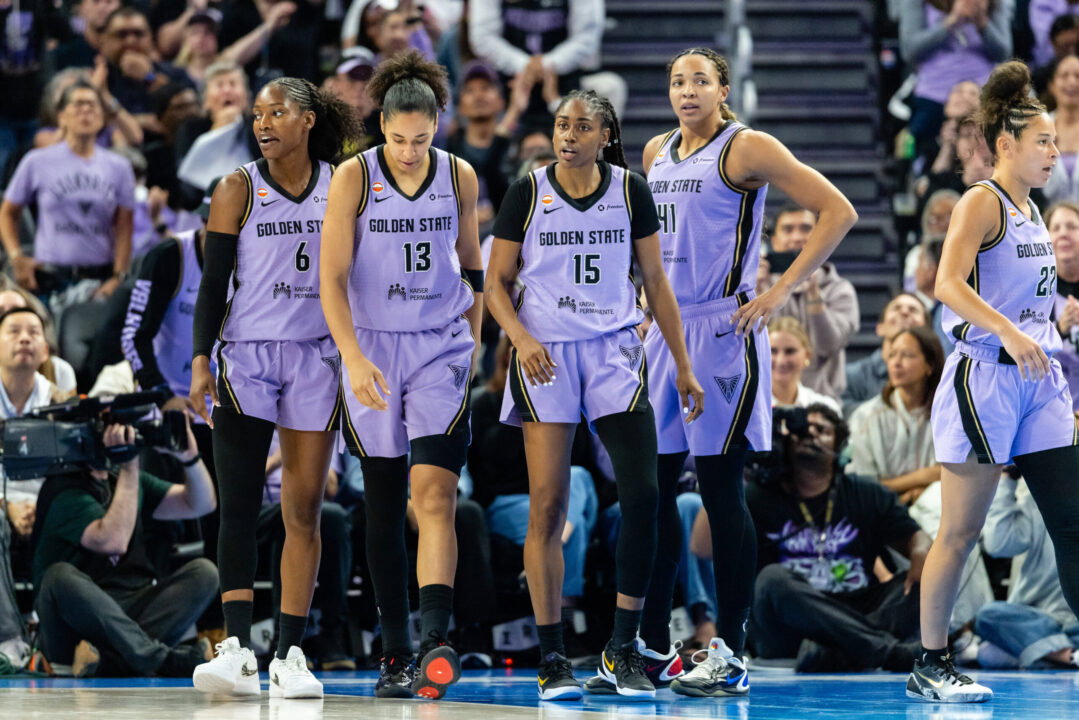
Imago
SAN FRANCISCO, CA – AUGUST 04: The Golden State Valkyries walk out of a huddle after Janelle Salaun 13 of the Golden State Valkyries gets an and one during a WNBA, Basketball Damen, USA game against the Toronto Tempo on August 4, 2026 at Chase Center in San Francisco, CA. Photo by Matthew Huang/Icon Sportswire WNBA: AUG 04 Toronto Tempo at Golden State Valkyries EDITORIAL USE ONLY Icon260804017
As reported by Brian Hamilton of The Athletic, in mid‑June, forward Gabby Williams faced a dilemma. After a late night, she was due back at practice, but her nine‑year‑old rescue cat, Halle Berry, couldn’t be left alone. Instead of leaving Williams to scramble, the Golden State Valkyries offered a simple fix: bring Halle Berry along, and staff would look after her while Williams focused on basketball.
It sounds lighthearted, but it reveals a deeper truth: the franchise removes distractions so players can perform at their best. As Williams said: “Every little thing, they figure out. The only thing you have to worry about is playing basketball.”
But this Williams story was far from an isolated gesture. The Valkyries have always been intentional about creating an environment where players feel fully supported. And that commitment is evident in everything they do.
When building their 31,800-square-foot Sephora-sponsored Performance Center, the franchise consulted players across the league to identify what was missing from traditional women’s basketball facilities. And one of the results of that inquiry was the addition of professionally lit vanity stations and grooming spaces.
That was the same attention to detail that they extended to the Chase Center locker room, which they designed in a customized V-shape so no player would feel isolated. Even the lighting, tile finishes, and seating arrangement were carefully chosen to foster inclusivity and togetherness. According to WNBA legend Diana Taurasi, it “sets the bar for every basketball team in the NBA or WNBA.”
Beyond the facilities, the Valkyries also ensure that transition into the organization is easier for new players. Since their inaugural roster was assembled through the Expansion Draft, many athletes arrived unexpectedly, and they were left unprotected by their previous teams. But rather than simply providing relocation information, the franchise went further to help. They helped with housing, moving logistics, utility setup, and even personalized nutrition planning before training camp.
Individually, these initiatives may seem like small touches. Together, however, they show the philosophy that this franchise operates with. That is, make life easier for the players so they can focus on performing at their best.
That is perhaps the biggest lesson for the Portland Fire, Toronto Tempo, and even the future Cleveland Sirens. Building a competitive roster is only part of the equation. They also need to create an environment where players can thrive and devote all of their energy to basketball. This will not only improve performance, but it will also make the franchise a place that players genuinely want to join and stay.
Making Player Wellness a Daily Priority
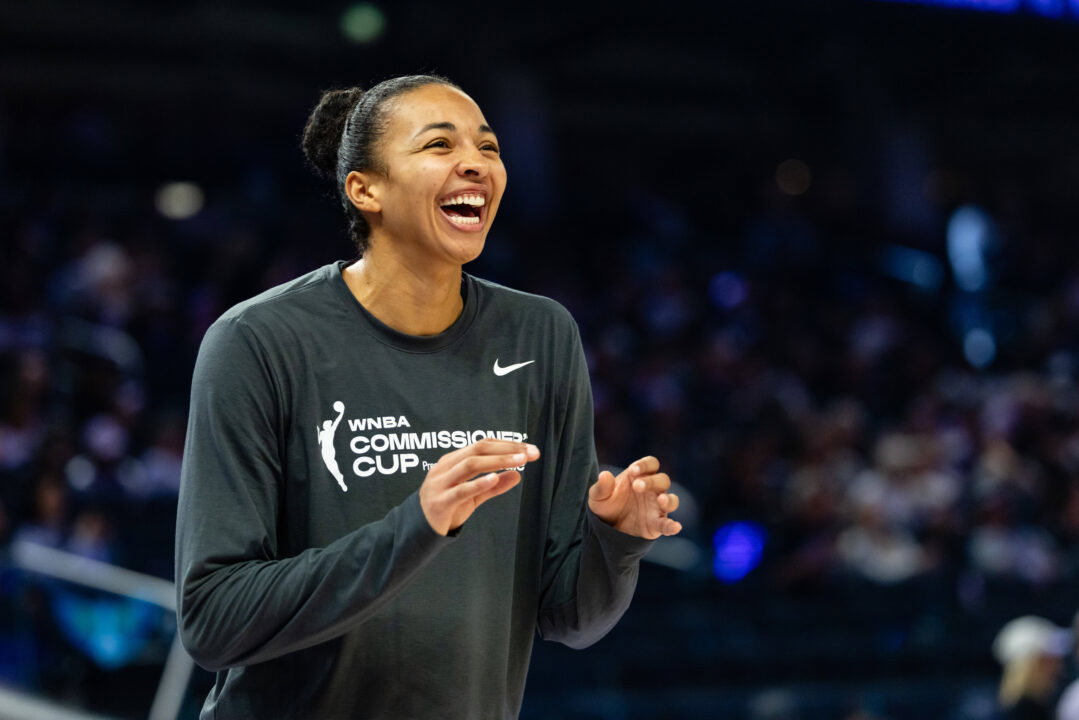
Imago
SAN FRANCISCO, CA – JUNE 17: Kiah Stokes 41 of the Golden State Valkyries smiles before a WNBA, Basketball Damen, USA Commissioners Cup game against the Dallas Wings on June 17, 2026 at Chase Center in San Francisco, CA. Photo by Matthew Huang/Icon Sportswire WNBA: JUN 17 Dallas Wings at Golden State Valkyries EDITORIAL USE ONLY Icon260617078
Another thing the Valkyries have done exceptionally well, which also naturally stems from putting players first, is investing in their overall well-being. This was one thing veteran center Kiah Stokes experienced firsthand.
According to The Athletic‘s Brian Hamilton, Stokes once mentioned that she had never been a great sleeper. And in reaction to that information, the organization didn’t just offer a few suggestions that’ll help her. Instead, they went further to propose practical solutions, including a different mattress, a new comforter, magnesium supplements, and even a full sleep study to help improve her rest.
“I think it just sets the standard,” Stokes said. “If you want to be a top contending team, you have to follow along.”
That player-first approach has become one of the Valkyries’ biggest strengths in attracting talent. They don’t just rely solely on lucrative contracts. Instead, they have built a reputation for genuinely caring about their players.
For the Portland Fire, Toronto Tempo, and eventually the Cleveland Sirens, who, according to a Yahoo Sports X post, will launch in 2028, that is another lesson worth embracing. Taking care of players doesn’t end when practice does. The more a franchise invests in its athletes as people, the more likely they are to perform at their best. It’s also the more they recommend the organization to others, and choose to build their careers there.
Developing Talent Instead of Waiting for Stars
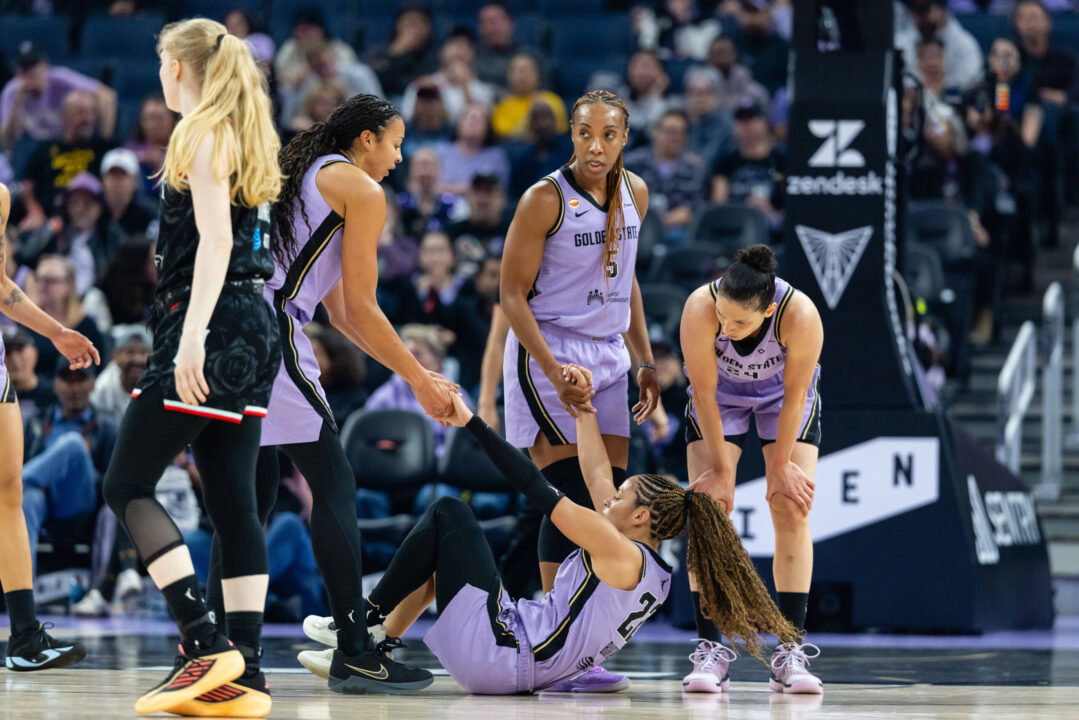
Imago
SAN FRANCISCO, CA – JUNE 02: Kiah Stokes 41 and Kayla Thornton 5 help Veronica Burton 22 of the Golden State Valkyries up during a WNBA, Basketball Damen, USA Commissioner s Cup game against the Portland Fire on June 2, 2026 at Chase Center in San Francisco, CA. Photo by Matthew Huang/Icon Sportswire WNBA: JUN 02 Portland Fire at Golden State Valkyries EDITORIAL USE ONLY Icon260602063
One of the biggest mistakes expansion teams can make is believing they need a marquee superstar before they can start winning. That appears to be one trap the Toronto Tempo have fallen into. They built around established veterans like Marina Mabrey and Brittney Sykes, but the result has often been an overreliance on those players. When either has an off night or gets into foul trouble, the team has struggled to find enough reliable depth to compensate.
The Golden State Valkyries took the opposite approach. Rather than waiting for a franchise-changing star, they focused on developing the talent they already had. And what was expected to be a long-term project paid off almost immediately.
Kayla Thornton, for example, was unprotected by her former team. She’s flourishing in Golden State now, developing into one of the league’s best two-way players and earning the first All-Star selection of her career.
Veronica Burton, too, was once viewed primarily as a defensive backup guard. Now, she’s expanded her offensive game under Natalie Nakase and even won the WNBA’s Most Improved Player award.
Even when the Valkyries pursued established talent, development was still the main priority. For example, during Gabby Williams’ free agency, Natalie Nakase personally traveled to Turkey to present a clear vision for how Williams could continue growing as a player.
The Valkyries weren’t simply offering a contract; they were offering a pathway for her to become even better. And that approach has helped Williams produce one of the finest seasons of her career.
Equally important has been the franchise’s commitment to depth. Rather than tying up most of its salary cap in one max-contract player, the Golden State Valkyries spread its resources across multiple quality contributors, creating a roster capable of sustaining a high level of play regardless of who is on the floor.
That is another important lesson for the Portland Fire, Toronto Tempo, and future Cleveland Sirens. Expansion teams don’t need to wait for the next generational superstar before becoming competitive. More often than not, success comes from identifying overlooked talent, developing it patiently, and creating an environment where players can become far more than their previous teams believed they could be.
Building a Strong Team Culture From Day One
Talent alone does not build winning teams. If it did, a roster stacked with stars like the Phoenix Mercury would be competing strongly for championships. The Golden State Valkyries understood this from the very beginning. So even though assembling a competitive roster was important, building the right culture was just as critical.
It starts with head coach Natalie Nakase. Since taking over the expansion franchise, she has made it clear that every player, regardless of experience or status, is expected to uphold the same standards of hard work, honesty, accountability, and mutual respect.
One of Nakase’s greatest strengths has been her ability to coach players as individuals. Rather than assuming everyone responds the same way, she simply asks relevant questions.
“It’s just pure honesty,” Nakase explained. “Why am I finding something? Why am I trying to guess? Just tell me.”
That openness has helped build trust throughout the locker room while ensuring every player feels heard and valued.
At the same time, Nakase has never allowed the franchise’s first-class facilities to create a sense of entitlement. Her message has remained consistent: success comes from mindset, not surroundings. Whether the team is practicing at the state-of-the-art Sephora Performance Center or on a neighborhood court, the expectation is the same: show up, compete, and give your best. And it’s really paid off so far. In their inaugural season, the Valkyries turned a group of unfamiliar faces into a playoff team.
For the Portland Fire, Toronto Tempo, and eventually the Cleveland Sirens, this may be one of the most valuable lessons of all. Building a winning franchise is not just about acquiring talent. It’s about creating a culture where the right people can succeed together.
Creating a Franchise That Players and Fans Want to Be Part Of
Imago
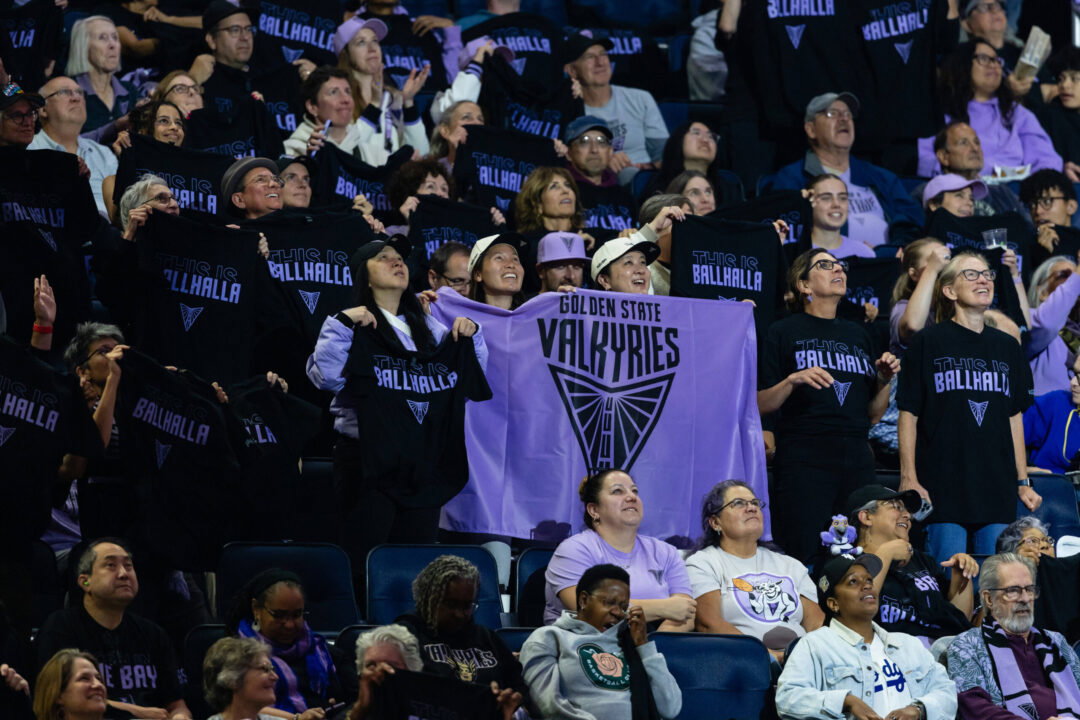
SAN FRANCISCO, CA – JUNE 09: Golden State Valkyries fans hold a Valkyries flag during a game between the Phoenix Mercury and the Golden State Valkyries on June 9, 2026 at Chase Center in San Francisco, CA. Photo by Matthew Huang/Icon Sportswire WNBA, Basketball Damen, USA JUN 09 Phoenix Mercury at Golden State Valkyries EDITORIAL USE ONLY Icon260609059
One thing the Golden State Valkyries also understood from day one was that while assembling a competitive roster was one priority, creating a franchise that players wanted to join and fans wanted to rally behind was just as important. And they began putting in that effort long before the team’s inaugural tip-off. They invested heavily in building a recognizable brand and embedding themselves within the Bay Area community rather than waiting for on-court success to generate support.
One of the clearest examples has been the franchise’s approach to fan engagement. Beyond game nights, the Valkyries established a network of more than 35 local bars where fans could gather to watch games together. This helps foster a stronger sense of community. They also launched creative marketing campaigns, including QR-code displays across BART and Caltrain stations to boost All-Star voting.
The same attention has gone into the game-day experience. Chase Center has become one of the WNBA’s premier venues. It regularly draws sellout crowds and offers an atmosphere that rivals many NBA games. The organization has also strengthened its community ties through local outreach. For example, unique fan traditions like the “Founding Guard” membership program, designed to deepen supporters’ connection with the team.
Those efforts have made Golden State attractive not only to fans but also to players. Athletes are drawn by the passionate fan base, the organizational support, and the opportunity to be part of one of the WNBA’s fastest-growing brands.
That is another lesson the Portland Fire, Toronto Tempo, and future Cleveland Sirens should take seriously. Expansion success is not about wins only. It’s also about whether players want to sign there, whether fans proudly support the team, and whether the franchise becomes an important part of its community.