Imago
Credits : Imagn
Imago
Credits : Imagn
For the next class of WNBA draftees, the toughest opponent they’ll face might not be on the court, but rather the loneliness of professional life. While top college prospects focus on the physical leap to the WNBA, two veterans warn that the biggest shock comes when the final buzzer sounds and the team camaraderie of college life disappears.


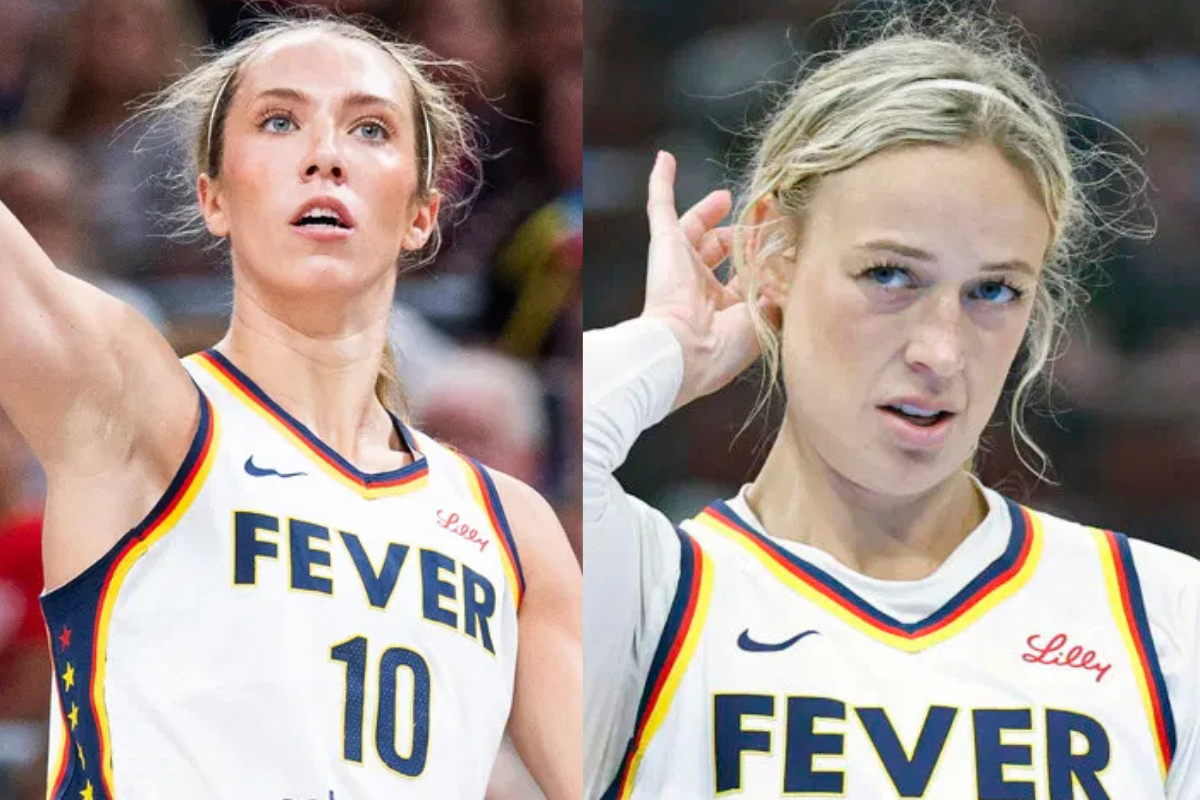
The normal talking points are always present. Much like Sophie Cunningham and Lexie Hull, these stars would have to adapt to the athleticism and the physicality of the WNBA. Over the years, many have struggled to do so. However, there is another underlying aspect that goes unnoticed which Cunningham and Hull have pointed out.
Watch What’s Trending Now!
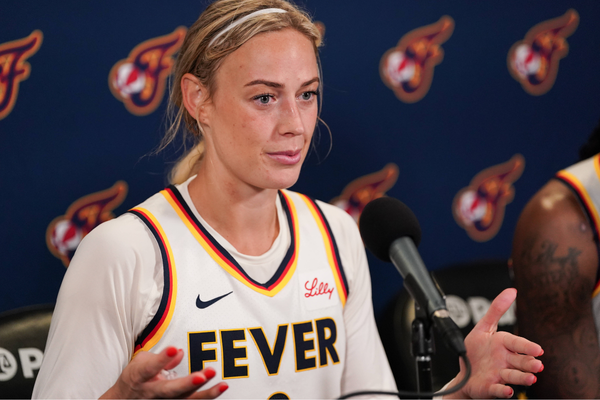
“I feel like you are with each other 24/7,” Hull said during her appearance on the “Show Me Something” podcast. “Once you get to the WNBA, people kind of do their own thing. People have lives and families and kids and all the things, but when you’re in college, that’s all you have. It’s so fun to go get every meal together and you can go and sit in a room and work on homework together because that’s something else you have to focus on.”
Sophie Cunningham further revealed that they had mandatory study halls while on the road, which the team gathered for. That’s a major difference between being a student-athlete and becoming a professional. Yes, there are team-bonding sessions and the veterans help the rookies develop. But it is just so different than college basketball.
The age difference does not help along with the brighter spotlight and the extended media presence. There are fewer things in common with your teammates, as each comes from a different background. Relationship building on and off the court is more intentional while it’s more natural in college.
This can cause a drop in performance and affect the athlete’s mental health as well. When you are playing against much more experienced, physically developed players, the rookies need to be at their best. Suddenly moving from a community-minded team to a more individualistic atmosphere can make players desolate. However, because of the developments in the past few years, there are multiple improvements to the WNBA experience as well.
Lexie Hull and Sophie Cunningham Pinpoint Major WNBA Change
For the post-new CBA rookies, they will earn a lot more than what Sophie Cunningham and Lexie Hull earned in their rookie years. They would not have to go and play in the international leagues to supplement their income. Some might choose to, but they have the option. And this latest generation of rookies is very fortunate to experience this new WNBA.
“The last couple years have been a full 180. We’ve changed. People are showing up. People know about the Fever,” Hull said. “So it’s been awesome.” Cunningham also pitched in that the Fever fans appreciate them and it’s surreal to play in front of sold-out crowds today. “When you have sold-out crowds everywhere you go, it’s appreciated and it feels good as players,” she said.
This applies to the entire league rather than just the Indiana Fever. Yes, they are arguably the biggest fanbase in the league but each franchise has grown massively in the last few years. The attendance, TV ratings, merchandise sales—everything is on the rise. WNBA stars are signing brand deals left, right and center.
Of course, college stars like Fudd, Betts and others have been a part of this evolution, but it’s very different to be a rookie in the WNBA in 2026 than it was a few years ago.
Written by

Edited by

Snigdhaa Jaiswal