
Imago
Credit: IMAGO
Imago
Credit: IMAGO
The WNBA’s latest proposal to the players’ union includes a maximum salary base of $1 million a year! But there happens to be a twist.


The league wants to take away housing support and move training camps to March. This will force players to choose between bigger paychecks and the protections they’ve built up over years of fighting for respect. There is a real cost to higher salaries.
Watch What’s Trending Now!
According to @AnnieCostabile, the WNBA’s proposal includes “removal of in-season team housing,” which has been a benefit for players since 2016. Players get monthly stipends of between $1,177 and $2,647, depending on where they live. Temporary contract players are hit the hardest by losing this safety net because they have to pay for housing with low salaries.
The proposal also says that “lengthening the season with training camp starting as early as mid-March” will push the calendar back to an earlier time than ever. This shortens the season even before the NCAA tournament ends, which makes things even more confusing for the professional pipeline.
WNBA’s recent CBA proposal also included:
– Removal of in-season team housing
– Lengthening season with training camp starting as early as mid-March(per @AnnieCostabile)
— Underdog WNBA (@UnderdogWNBA) December 2, 2025
For international players who have to balance their WNBA duties with their EuroLeague contracts and national team duties, this scheduling conflict could hurt their earnings and make it harder for them to do their federation duties.
The big financial gains hide what players lose in this deal. The league’s plan calls for a maximum base salary of $1 million, with revenue sharing raising potential earnings to $1.2 million. The team’s salary cap would go up from $1.5 million to $5 million. The average salary would be more than $500,000, and the lowest salary would be more than $225,000.
But these gains don’t mean much to players who have to pay for their own housing while keeping their schedules tight. The earlier start of training camp goes against the FIBA clearance system that governs international basketball. This could hurt the league’s competitive pipeline and make it harder to work with global federations.
The league and the players’ union both agreed to keep talking after their November 30 deadline. They will keep talking until January 9, 2026. The deadlock shows that there are bigger disagreements about what players should care about: the union wanted more ways to make money, while the league wanted more flexibility in scheduling and lower operational costs.
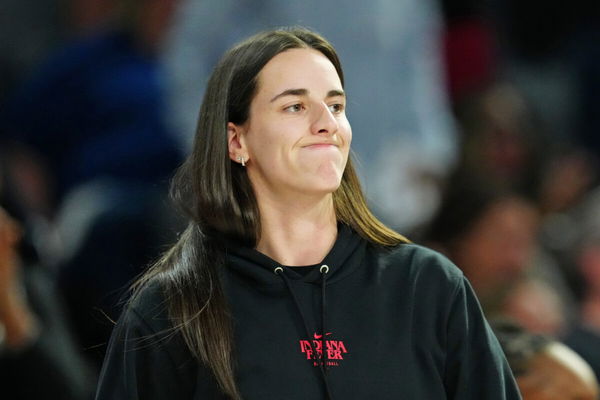
Caitlin Clark and WNBA players are fighting the league’s new schedule
Timing is another thing that separates the WNBA and its players, along with money. The league wants training camps to start in the middle of March, but that would be a huge problem with March Madness. Players think this is the league’s own fault.
March Madness is when college basketball gets a lot of attention. The NCAA tournament is the focus for fans, scouts, and sponsors. If the WNBA takes that spotlight by starting earlier, it actually makes women’s basketball worse overall. The league misses out on the chance to get people excited about the biggest college moment of the year.
Imago
Credit: IMAGO
Players understand. They most recently played college basketball. They know that rushing into spring throws off the game’s natural flow. It hurts the visibility of college basketball and makes young athletes choose between their NCAA and professional duties. The league is picking speed over what’s best for women’s basketball.
The real problem is that both sides want different things. The league wants to be in charge and have options. Players want to have a say in choices that affect their lives and careers. They need to find a middle ground because the deadline is coming up on January 9.
Written by

Edited by

Deepali Verma