
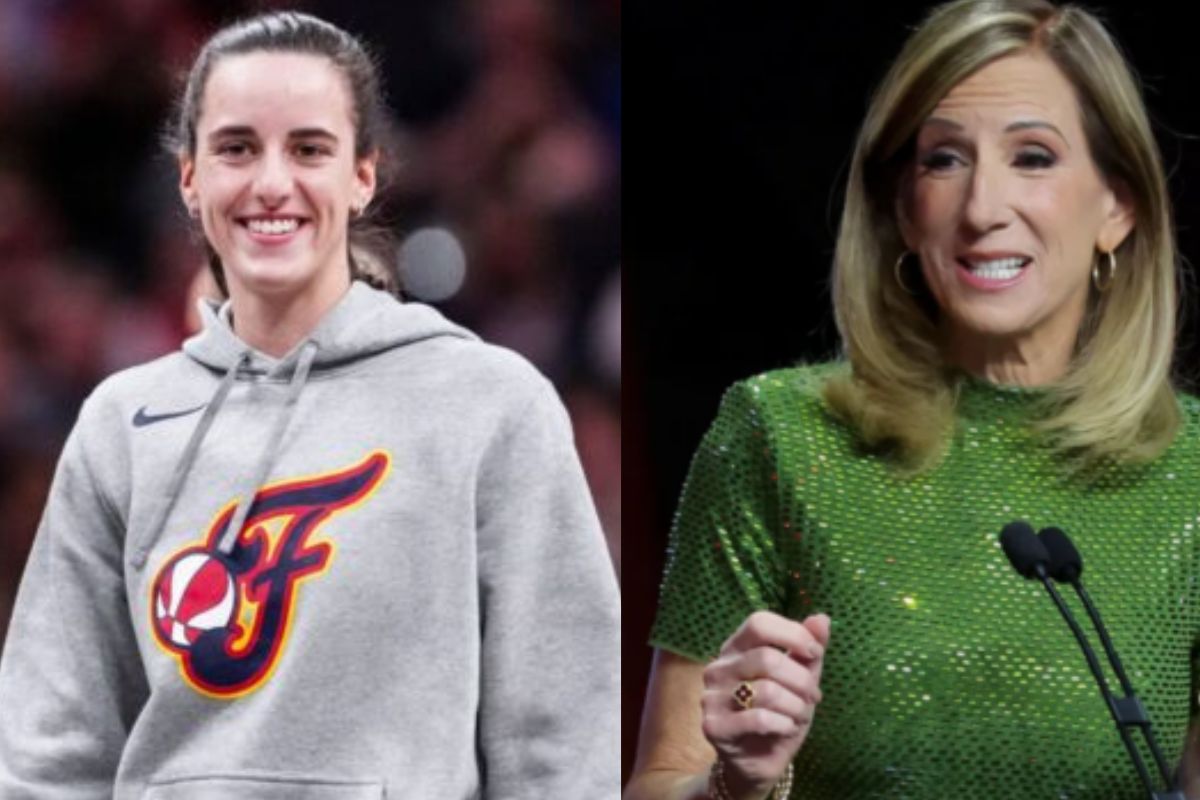
The WNBA has been riddled with questions surrounding officiating and player targeting, with Caitlin Clark being at the center of the storm. Amid opinions from players, coaches, and now lawmakers, WNBA analyst David Dennis Jr. believes the Indiana Fever guard’s situation isn’t unique, despite the fist-to-the-throat foul that has prompted a formal intervention from members of Congress.
Watch What’s Trending Now!
Speaking on ESPN First Take, a clip of which Shane Burkhart shared on X, Dennis Jr. was measured but direct on the issue. For him, the physical treatment Clark has experienced across the league doesn’t warrant such a widespread reaction and certainly not something she wants Congress to weigh in on.
“This is something that happens across sports,” he said. “And Caitlin Clark, to her credit, is not somebody going out there and begging for something to be done. She doesn’t want congressional hearings about her being fouled. She wants to play basketball. And she wants to deal with the physicality; she just wants it called correctly.”
Imago
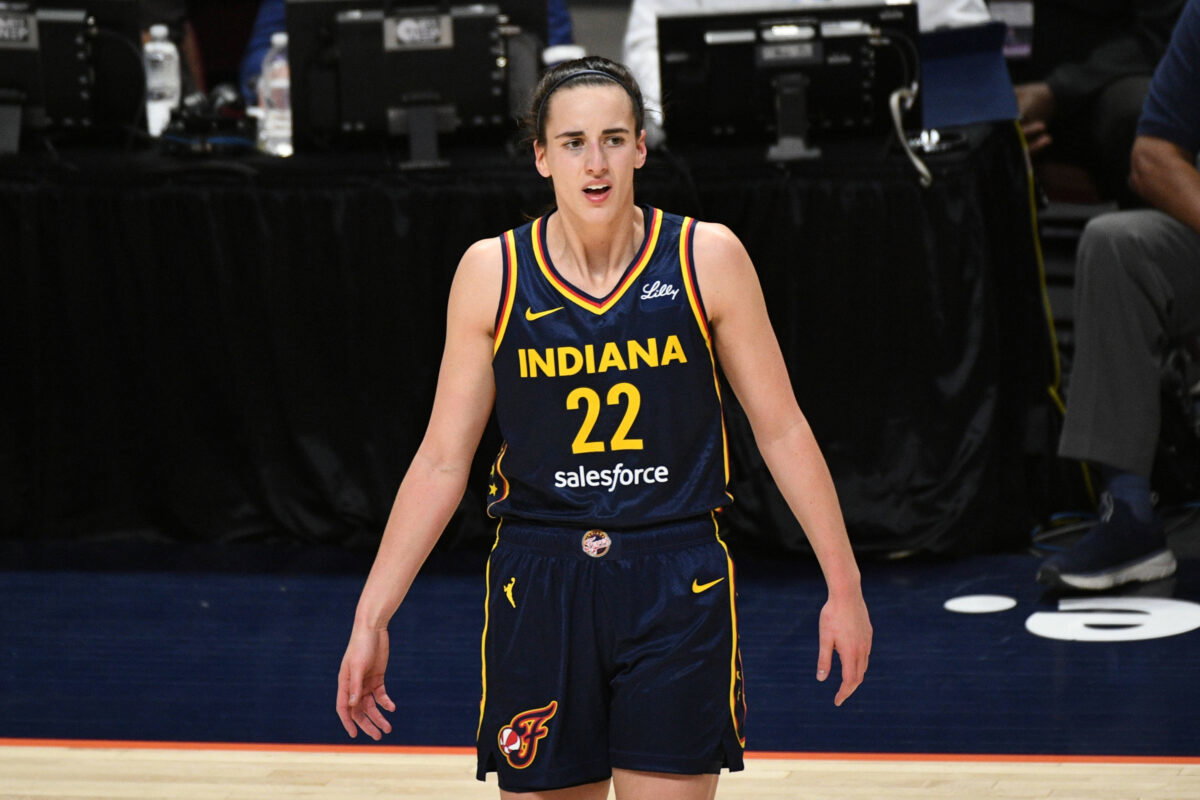
September 22, 2024: Indiana Fever guard Caitlin Clark 22 looks on during game 1 of the first round of the WNBA, Basketball Damen, USA playoffs between the Indiana Fever and the Connecticut Sun at Mohegan Sun Arena in Uncasville, Connecticut. /CSM Uncasville United States of America – ZUMAc04_ 20240922_zma_c04_618 Copyright: xEricaxDenhoffx
The letter, sent by 11 lawmakers, alleged that such “incidents go far beyond routine physical play” and accused officials of being unable to “hold players accountable.” This was followed by a request for the WNBA to answer a series of questions about “physical hostility,””overly aggressive acts,” and more on the court. Clark and the Indiana Fever subsequently announced that neither party had any contact with the congressional group. However, the furore surrounding the issue refuses to let up.
“Our organization nor Caitlin have had any interaction with anyone in this congressional group and we were unaware of their letter,” the statement from Indiana Fever, per Fever reporter Chloe Peterson.
For Dennis, Caitlin Clark is experiencing essentially what every high-profile young player goes through when entering a league with enormous hype. The narrative that such players are arriving to dominate does not sit easily with the veterans already established in that league. And those players respond accordingly.
He said, “Whenever this happens in any league, in any sport, in any gender, there is backlash to that, because there are players who are saying show me what you got. So they target that player. It happens all the time.”
To drive home his point, Dennis Jr. cited some of the most iconic examples in sports history, claiming basketball legends Michael Jordan and LeBron James initially faced excessive physicality and isolation in their teams. As for WNBA, he recounted how Candace Parker dealt with similar treatment when she arrived as the most hyped prospect the league had ever seen. And now Victor Wembanyama is experiencing the same kind of physical and competitive targeting in the NBA.
But while Clark has been enduring the same treatment, there is a distinction in her case.
“The WNBA has a referee problem, they are not calling this across the boards,” Dennis Jr. said. “But this is not any issue where she is a victim of anything. If anything, she is a victim of people using her in bad faith.”
By that notion, Clark’s unprecedented hype entering the WNBA placed the biggest possible target on her back. Players hold her to a higher standard. They meet her with greater intensity and physicality, preventing her from simply coming in and taking over.
Crucially, Clark understands it too. She hasn’t asked for outside intervention, despite the letters sent to WNBA commissioner Cathy Engelbert. She is simply urging officials to acknowledge the fouls.
Dennis frames it as the exploitation by those acting in bad faith. That is, people who have used the spotlight around Clark and the persistent WNBA officiating problem as a cover to direct hate, threats, and abuse at the players around her.
Caitlin Clark’s 11th-Place Player Vote: Another Inaccurate Claim Backing Wrong Victimhood Narrative WNBA Analyst Says
Caitlin Clark finished 11th among guards in the recently released WNBA All-Star player voting results. And as soon as the rankings were public, they quickly became fresh ammunition for an already widespread victimhood narrative. The argument was that fellow WNBA players dislike or envy Clark so much that they deliberately voted her down to an 11th-place finish. For David Dennis Jr., however, that claim is simply another inaccurate narrative.
Also speaking on ESPN’s First Take podcast, he argued that there has been a fundamental misunderstanding of what the player vote actually represents.
“They didn’t say that she was the 11th best guard in the WNBA. That’s not what happened here,” he stated. “What they voted for was the top four guards in the league. That was what the All-Star ballot was. So there’s really no controversy about that.”
The statement aligns with how the WNBA All-Star voting process works. Each player can only vote for four guards and six frontcourt players. As a result, Clark’s rank does not indicate that players collectively ranked her the league’s 11th-best guard. It simply means she did not appear among the top four guard selections on enough ballots.
For the analyst, the All-Star voting results showed anything but evidence of jealousy or a coordinated effort to target Clark. Instead, they reflected the structure of the voting process.