
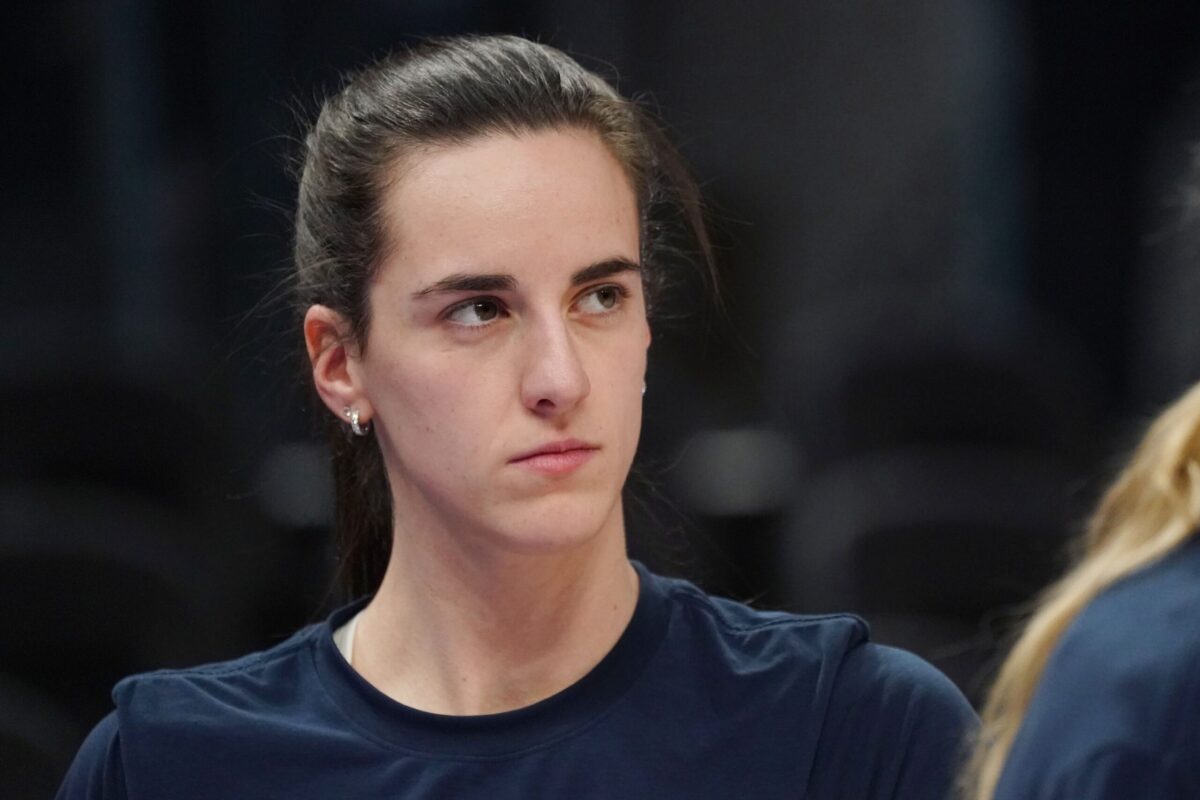
After what happened on Monday night, Wednesday’s rematch between the Indiana Fever and the Phoenix Mercury was expected to be chippy. But while nothing happened openly, physicality continued under wraps. So much so that when Alyssa Thomas ‘punched’ Caitlin Clark’s neck while she was already down, the referees did not even call it. Expectedly, the WNBA took action.
Watch What’s Trending Now!
One day after the game, the league suspended Thomas for one game with a flagrant-2 foul after a review. The growing question remains: how did this support the league’s new ‘Freedom of Movement’ rule? For now, though, Fever President Kelly Krauskopf released a statement.
“Player safety should be paramount in our league,” the Indiana Fever’s official social media handle shared Krauskopf’s statement. “We appreciate the WNBA’s review of last night’s incident and the action taken. Right now, our focus is on Caitlin and our entire team as we prepare for Saturday.”
In their statement, the WNBA has announced that Mercury forward Thomas has been suspended for one game and assessed a Flagrant Foul 2 for “recklessly making contact with her fist to the throat area of Indiana Fever guard Caitlin Clark.”
A Flagrant Foul 2 is issued for contact deemed both unnecessary and excessive. Thomas will serve the suspension on Saturday, June 27, when the Mercury will lock horns with the Toronto Tempo. However, the discussion this raised is why it wasn’t called on the floor, especially after the referees knew about Monday night, when six technical fouls were called?
On Wednesday, with 6:52 remaining in the second quarter and Indiana leading 41-38, Clark was driving toward the basket while being guarded by Lexie Held. However, she slipped and fell. While trying to steal the ball, DeWanna Bonner and Thomas attacked Clark, but the guard pushed the ball away to her teammate.
Bonner stood up, still chasing the ball, but Thomas remained on her knees, balled up her fist, and pushed it into Clark’s neck. With no whistle called, the game continued until head coach Stephanie White was made aware of the non-basketball play during the halftime break.
“I’m not sure if it had any effect on her health or not, but it was egregious,” White said in her post-game presser. “The fact that it was a no-call, I heard about it at halftime, I brought it to the officials’ attention at halftime, yet we still had 11 fouls in the fourth quarter to their two.”
“Number one, you gotta call it. It’s absolutely egregious and utterly disrespectful. Number two, you’re coming in here aware of what happened two nights ago, and that still happens? Absolutely unacceptable.”
With 5:15 on the clock in the third quarter, Clark left for the locker room and never returned. The team notified during the game that she will not return to the floor due to back issues. There is no update on the point guard as of now, but this wasn’t the only whistle not called for Clark.
Just after a few possessions following the Thomas incident, Clark jumped for a three-pointer. But while landing, she came down on Valeriane Ayayi’s feet. Despite a review, this call remained a shooting foul and was not upgraded to a reckless closeout, which warrants the defenders to allow enough landing space to a shooter. Clark made all three free throws for this, but that’s not the point.
“We spent all offseason looking at officiating,” White said on Wednesday. “I still say the one thing we keep asking for is consistency. She is not called the same way everybody is called.”
During the offseason, the WNBA formed an officiating task force consisting of players, coaches, and general managers in an effort to crack down on excessive physical play while improving consistency from game to game. On paper, the numbers suggest that this initiative has had an impact.
In the first month of the 2026 season, refs have called 41.8 fouls per game on average. These calls were limited to 32.4 last year. Yet games like the one on Wednesday continue to bring up the same question: Why are the calls not called equally?
Last year, the league upgraded a foul on Marina Mabrey to Flagrant 2 after a post-game review when she pushed Clark to the floor in a game against the Connecticut Sun while talking to Jacy Sheldon. Meanwhile, last season, Thomas had pushed her fist into Angel Reese’s throat, which was called for Flagrant-2 in the game, and the forward was ejected from the game.
But for now, the league has made its stance clear on the Thomas incident. However, the Fever got bigger things to worry about.
Clark is currently listed as day-to-day, and there has been no further update. Her availability will remain the biggest question, as Indiana will look to be a championship contender this year.
But in the meantime, July 9th will be one of the most anticipated dates on the WNBA calendar, with the Fever and the Mercury set to clash once again.