Imago
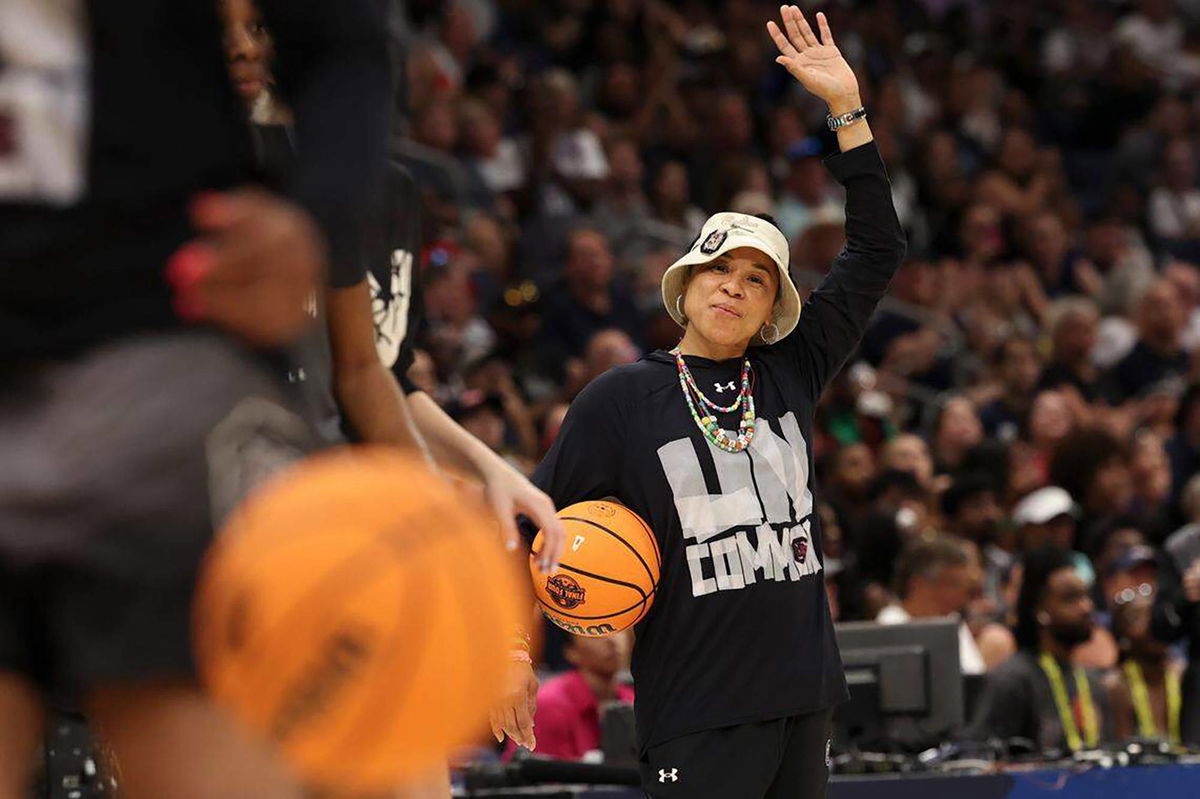
August 27, 2025: University of South Carolina head coach Dawn Staley acknowledges the crowd during an open practice in advance of the NCAA National Championship at Amalie Arena in Tampa, Florida, on April 5, 2025. – ZUMAm67_ 20250827_zaf_m67_023 Copyright: xTracyxGlantzx
Imago
August 27, 2025: University of South Carolina head coach Dawn Staley acknowledges the crowd during an open practice in advance of the NCAA National Championship at Amalie Arena in Tampa, Florida, on April 5, 2025. – ZUMAm67_ 20250827_zaf_m67_023 Copyright: xTracyxGlantzx
As the WNBA finalizes a landmark new CBA, Dawn Staley isn’t looking at headlines or numbers first. She’s looking at what it changes and who it changes it for.
Watch What’s Trending Now!
That perspective became clear as the South Carolina head coach reacted to the league’s newly announced seven-year agreement with the Women’s National Basketball Players Association (WNBPA), a deal set to begin in 2026 pending ratification. While the figures attached to it are already turning heads, Staley focused on something deeper: the shift it creates for the players who are about to enter the league.
“What’s happening is incredibly historic,” coach Staley said during a recent media appearance.
ADVERTISEMENT
She broke down what this moment truly means, particularly for players like Raven Johnson and Tessa Johnson, who are inching closer to WNBA careers.
Dawn Staley spoke about the WNBA’s new CBA deal while Raven Johnson sat next to her:
“What’s happening is incredibly historic. People have fought. When you enter into the league, you’re gonna make probably 100 times more than someone 30 years ago, 10 years ago, 5 years ago.” pic.twitter.com/tTrHAY5Dlq
— Matt Dowell (@MattDowellTV) March 20, 2026
“When you enter into the league, you’re going to make probably 100 times, 75 times, more than someone 30 years ago, 10 years ago, five years ago,” Dawn Staley said. “You’re going to make much more money than the No. 1 pick, and we’ve had two of them.”
ADVERTISEMENT
“Good thing you came back, Raven,” she added, referencing Raven Johnson’s decision to return to South Carolina for another season rather than turning pro earlier.
The new agreement, set to run from 2026 through 2032, introduces the first comprehensive revenue-sharing model in women’s professional sports, which is projected to deliver more than $1 billion in player salaries and benefits over its lifespan.
ADVERTISEMENT
The financial jump alone is staggering.
- The salary cap will rise from $1.5 million to $7 million in 2026, with projections exceeding $11 million by 2032.
- Average salaries are expected to reach around $583,000 in 2026 and climb past $1 million by the end of the deal.
- Minimum salaries will range between $270,000 and $300,000 initially.
- Top players can earn $1.4 million right away, with projections of $2.4 million in the coming years.
- Even rookies will benefit, with the projected No. 1 overall pick set to earn around $500,000.
Now, to put things into perspective, during Dawn Staley’s playing days in the early 2000s, average salaries hovered around $55,000. That gap is exactly why she emphasized the long-term implications.
ADVERTISEMENT
“A little more generational wealth if you do the right things with it,” she said.
Why do players like Raven and Tessa Johnson stand to benefit from the new deal?
For years, WNBA athletes often played overseas during the offseason to supplement their income. But with this new agreement, that may no longer be necessary.
ADVERTISEMENT
“The WNBA will make you make a choice because you have to be on time in training camp,” Staley further explained. “It’s worth it now. It’s worth it to actually have your body recover and just play in the WNBA season.”
That shift could be crucial for players who now have the option to prioritize longevity and development without financial compromise.
Top Stories
Dale Jr’s NASCAR Driver Gets Real on Hendrick Motorsports Fuelled Cup Opportunities Ahead of Darlington Showdown

Insider Exposes NASCAR’s Double Standard as Daniel Dye’s Suspension Gets Compared to Hailie Deegan’s 5-YO Controversy

Bulls Legend Dennis Rodman to Receive WWE Hall of Fame Honor Years After Big Sacrifice

Controversy Arises as Golf Pro Suspended for Cheating Is Cleared to Play $2.55M Tour Event

Noah Lyles’ Training Partner Wins Gold to Continue USA’s World Indoors Legacy

Who Is Dell Curry’s Wife? Meet Nicki Smith, Stephen Curry’s Stepmother

Imago
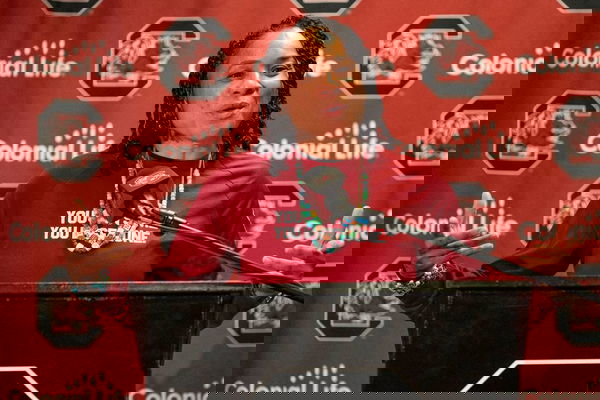
SPORTS-BKW-SCAROLINA-STALEY-HH South Carolina head coach Dawn Staley. Tracy Glantz/The Island Packet/TNS EDITORIAL USE ONLY Copyright: xx 132464128W TracyxGlantzx krtphotoslive949412
This deal also includes:
ADVERTISEMENT
- League-wide charter flights and improved travel standards
- Enhanced facilities, staffing, and medical support
- Expanded retirement benefits and veteran recognition payments
- Increased bonuses for awards, playoffs, and Finals performance
- Better family planning and mental health support
So in short, it’s not just about higher paychecks, it’s about a completely redefined player experience.
ADVERTISEMENT
Dawn Staley lived through a very different version of the league.
As a six-time WNBA All-Star who played for the Charlotte Sting and Houston Comets, she experienced firsthand the financial and structural limitations of the early years, when overseas play wasn’t optional, but necessary. That’s why her message carries weight, because she is someone who helped build the foundation.
“This agreement reflects that players know their worth,” she said.
ADVERTISEMENT
As the 2026 NCAA Tournament unfolds, the spotlight may remain on March Madness for now. But behind the scenes, the future of women’s basketball just shifted in a way that could define the next decade.
ADVERTISEMENT
ADVERTISEMENT
ADVERTISEMENT
Related Newsletters