
As it appears, the WNBA has now found a solution to the scheduling conflict surrounding Game 6 of the WNBA Finals, rescheduling the game to take place at 12:30 p.m. Eastern Time on Thursday. But is that the best decision the league could have made, especially given the criticism the early tip-off has drawn from fans and commentators?
Watch What’s Trending Now!
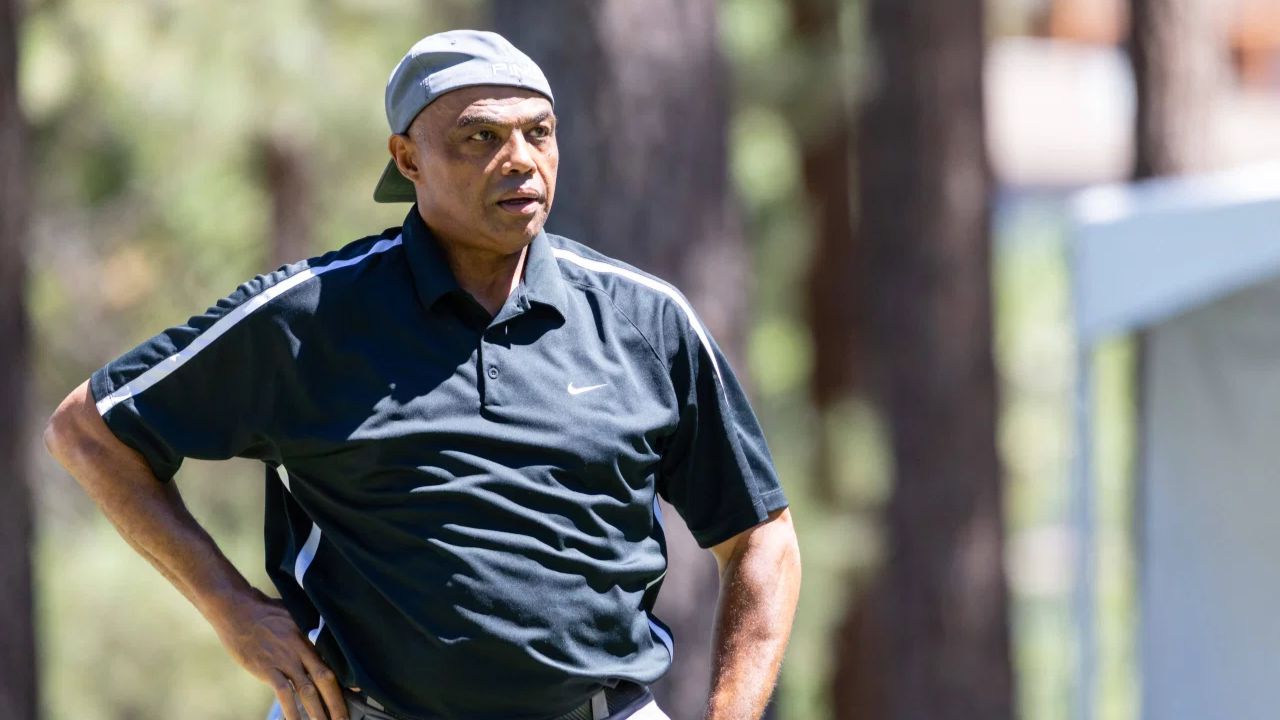
For former NBA star and sports analyst Charles Barkley, the WNBA could have simply considered another option.
“Well, I think they should just move the game a couple days here or there,” Barkley said, speaking on the Post Moves podcast in response to Candace Parker. “It ain’t going to matter… if they move the game a day back, I didn’t think that mattered, to be honest with you… There’s always going to be something. But to me, hey, move the game back a day.”
Of course, moving the game could potentially result in back-to-back playoff games that could affect players’ performance. In fact, both Barkley and Parker acknowledged the unfairness of such scheduling arrangements. However, they also believed that the Finals could be an exception.
However, while Parker agreed with his position that the championship series deserved special consideration, she also argued that the WNBA’s scheduling problems went beyond the early tip-off.
“Chuck, we are on the same page,” Parker said. “But my point in saying all that is the fact that the WNBA as a whole during these playoffs, the scheduling, you’re going up head-to-head against football on Monday night. We went head-to-head against the opening week of basketball. We went head-to-head against MLB. They played on a Saturday for NCAA. They’ve also, their Game 7 is going to be Halloween if they have a Game 7. It’s on Halloween.”
Parker’s point is clear. The WNBA’s overall scheduling strategy appears inherently flawed, with playoff games repeatedly competing for attention against major sporting events, including the NFL, the start of the NBA season, and Major League Baseball. These competing events have the potential to draw viewers away from the WNBA Finals, making it more difficult for the league to maximize its audience during one of the most important stages of the season.
This was another concern Barkley agreed with, citing a situation in which they needed to change the schedule of their show because it coincided with a Thursday Night Football game, which is not even one of the NFL’s biggest marquee matchups. His point was that if even a Thursday night game could prompt a scheduling change to avoid competing for viewers, the WNBA should be equally mindful of the competition when planning its Finals.
But as Barkley pointed out, there is an even bigger issue to address next season, with the WNBA expanding its regular season to 50 games. The longer schedule could push the season further into November, creating additional scheduling challenges, a concern Parker also echoed.
But at the end of the day, the controversy surrounding Game 6 is a reality check for the WNBA and the Atlanta Dream. This is not the first time the Dream has faced a scheduling conflict at State Farm Arena during the Finals. In fact, both of the Dream’s home games in Games 3 and 4 had to be rescheduled as well.
However, the Dream may deserve some relief from the blame, as the team’s ownership claims it had raised concerns about these scheduling conflicts as far back as two months ago. According to the ownership, those concerns “did not receive the attention, nor the urgency that they deserved.”
The reality now is that a WNBA championship could be decided on a Thursday afternoon. And while the timing may not be ideal for fans or players, it does not diminish the significance of the moment. Perhaps the Atlanta Dream can force a Game 7, sending the series back to the Valkyries’ home court for a decisive final showdown.