Imago
Credits: IMAGO
Imago
Credits: IMAGO
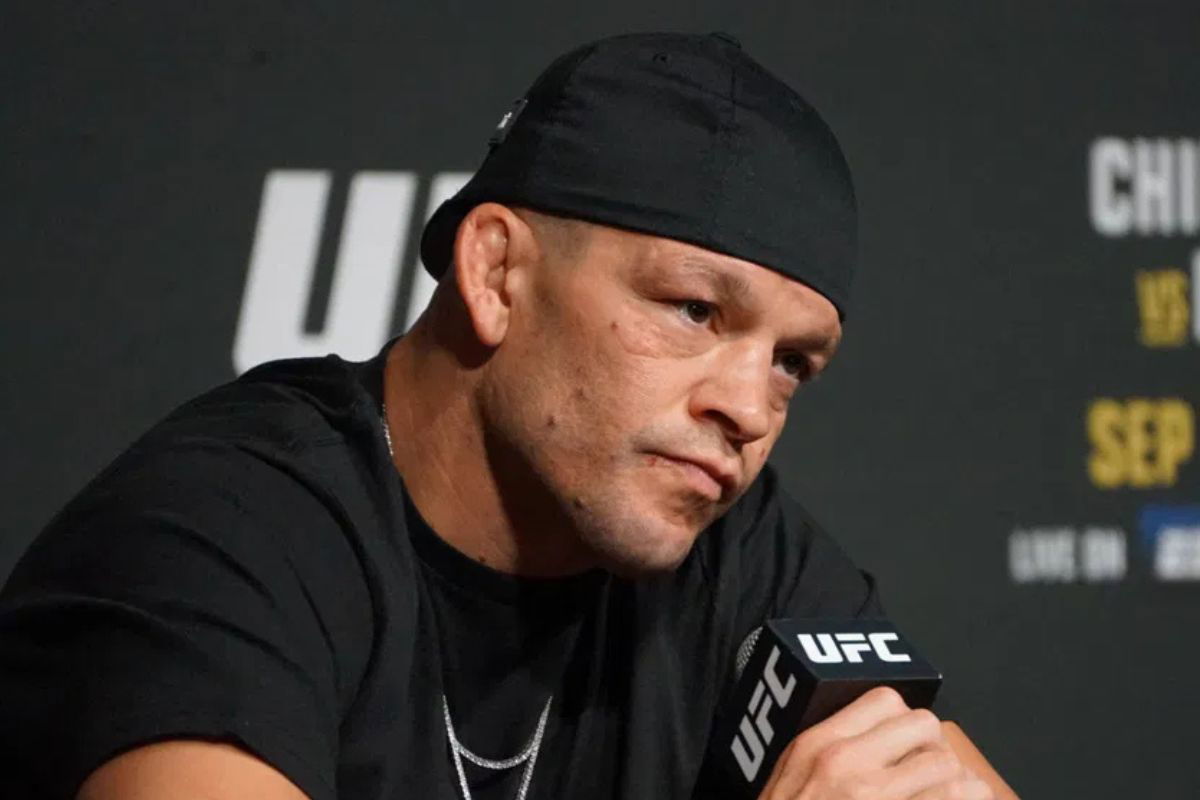
Most diehard MMA fans know that Nate Diaz isn’t always the easiest fighter to understand; that’s part of his charm. But this time, he suddenly lost track mid-answer while talking about brain health. And that moment, small as it seemed, sparked a familiar conversation around brain damage and what years in the sport can actually take away from athletes.


Diaz has fought professionally since the early 2000s, compiling a 21-13 record, 16-11 in the UFC, with only two TKO losses. The Stockton legend built his style on volume, cardio, and rolling with shots rather than taking them clean. That’s been his argument for years when questions about damage come up.
Watch What’s Trending Now!
But numbers don’t always tell the full story, especially when you factor in gym rounds, sparring, and everything outside the spotlight. So when the topic of CTE (Chronic Traumatic Encephalopathy) came up during his appearance on comedian Theo Von’s podcast, it didn’t feel random.
“Is CTE, does it feel like a real thing to you guys? Is that something, do you think that fighting has affected the way that you’re able to think?” Von asked with his trademark genuine curiosity.
Theo Von asked Nate Diaz if he has CTE and he forgot the question mid-answer 💀 pic.twitter.com/u8UJTmQQl1
— Happy Punch (@HappyPunch) March 31, 2026
Diaz didn’t answer it directly, at least not at first. He joked back, flipping it on Theo Von. Asked if comedy gives him CTE. Then drifted into talking about football, remembering headaches from hits. It was loose, conversational, typical Diaz. But then came the pause.
“What did they say? I don’t know what the question was about CTE,” Diaz said with a laugh. “I just started thinking about it. What did you say? My CTE is kicking in.”
“I think that answers it, bro,” Theo Von responded.
As we mentioned earlier, Nate Diaz has pushed back on these narratives before. Back in 2023, when critics suggested he might be dealing with CTE, he dismissed it outright, saying he doesn’t take damage the way people assume. He claimed he rolls with punches, avoids clean shots, and hasn’t been “stunned stupid.” He even pointed out that the way he talks hasn’t changed over time.
To be fair, one momentary slip doesn’t really prove anything, but it still connects to a bigger pattern in combat sports. Fighters often don’t notice changes themselves. Or they normalize them. Memory lapses, slower reactions, headaches. Things that don’t show up in highlight reels or official stats.
And here’s where timing matters.
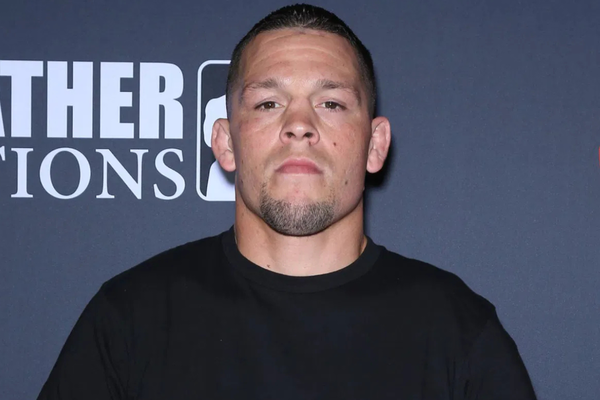
At 40 years old, Nate Diaz is preparing to return to MMA after a four-year break. He’s set to face Mike Perry under the Most Valuable Promotions banner for Netflix. And when a fighter jokes, “my CTE is kicking in,” even in passing, it sticks. So, why did the Stockton native choose Netflix over the UFC?
Nate Diaz claims UFC gave him “bigger offers” than Netflix, but he turned them down for one reason
At a time when Nate Diaz is stepping back into MMA for Netflix instead of the UFC, the assumption was simple: bigger stage, bigger paycheck. But Diaz made it clear that that wasn’t the case. The UFC actually offered him more, but he chose to go to Netflix.
Imago
Credits: IMAGO
“I wanted to go back to the UFC, yeah,” Diaz admitted during the conversation with Theo Von. “I had bigger offers from the UFC than I got from these guys, but the offers, the opponents, weren’t the right opponents. I believe that everything in this fight game, and in everything, is timing, and I think that if I would’ve gone to the UFC, I wouldn’t be fighting the fighters that I wanted to be fighting. I wanted to fight the best of the best. If I’m not going to get that, I’m going to fight the biggest thing I can.”
That’s where the split happened. According to him, the UFC had a different plan. They wanted him to run back the trilogy with Conor McGregor. But Diaz didn’t see it the same way right now.
He pointed out that McGregor is coming off setbacks, injuries, and a very long layoff. While he still respects ‘The Notorious,’ the timing didn’t sit right. Diaz made it clear he’s not trying to “finish this dude off” while he’s rebuilding, nor step into a fight where motivations are uneven. For him, it’s about catching opponents at their peak, not during recovery phases.
Instead, his focus shifted elsewhere. Diaz brought up Charles Oliveira, referencing the BMF belt and making it clear that’s the kind of matchup he was chasing. But when that didn’t materialize, he looked outside the UFC. And that’s where Mike Perry came in.
So, what does this all mean? Maybe it’s a reminder that fighters don’t always see themselves the way fans or analysts do. Diaz isn’t thinking about decline or long-term damage in public. He’s thinking about the competition. But moments like the podcast exchange still linger. Because they shift the focus, even briefly, away from what he can still do and toward what the sport might have already taken.
Written by

Edited by

Deepali Verma