
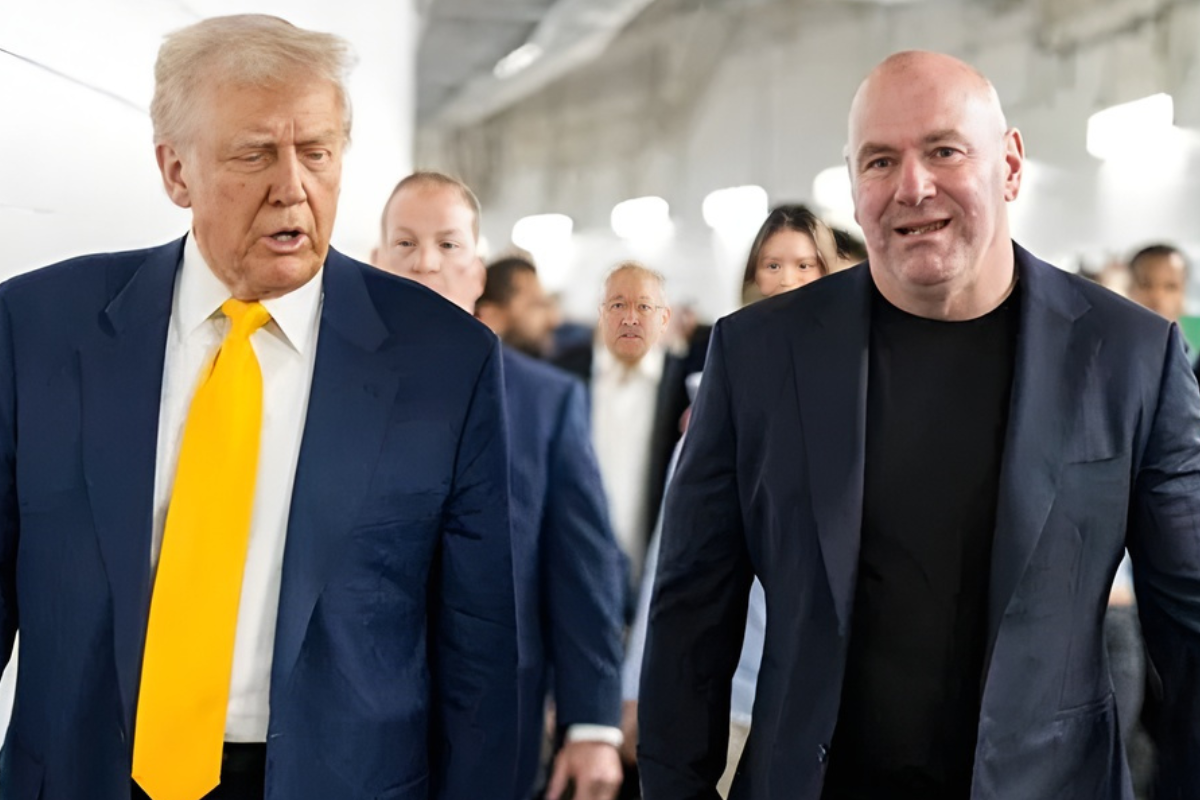
The timeline of modern mixed martial arts is treated like gospel by its fanbase, but a big wrench was just thrown into the promotional lore surrounding UFC Freedom 250. While head honcho Dana White has spent years telling anyone who would listen that Donald Trump single-handedly saved the promotion in 2001, early company insiders are claiming that the mythical origin story may contain a lot of fiction.
Watch What’s Trending Now!
With a massive cage already erected on the South Lawn of the White House for Sunday’s historic fight night and just hours to go before the big show, former UFC Vice President of Production James Werme has broken his silence to refute Dana White’s favorite talking point.
“[Donald Trump] wasn’t in the building,” Werme told Vanity Fair journalist Dan Adler, recalling UFC 30 in February 2001. “And I know that because I was there. Have you ever seen a picture or video clip of Trump at the shows at Taj Mahal? If it existed, you would have seen it a million times.”
While it is true that the event, the first that involved Dana White and the Fertitta brothers after their takeover, was held at the Trump Taj Mahal in Atlantic City, there is no definitive video evidence showing Trump personally attended the event.
The dispute cuts to the heart of Dana White’s carefully crafted public narrative since his speech at the 2016 Republican National Convention. On that stage and during subsequent press tours for the White House card, the UFC CEO claimed that mainstream arenas completely banned the UFC when Senator John McCain dubbed it “human cockfighting.”
According to the head honcho, Donald Trump was the only one who called them and offered his Atlantic City hotel when the company was facing financial exile. But if you ask James Werme, that story is complete nonsense.
Imago
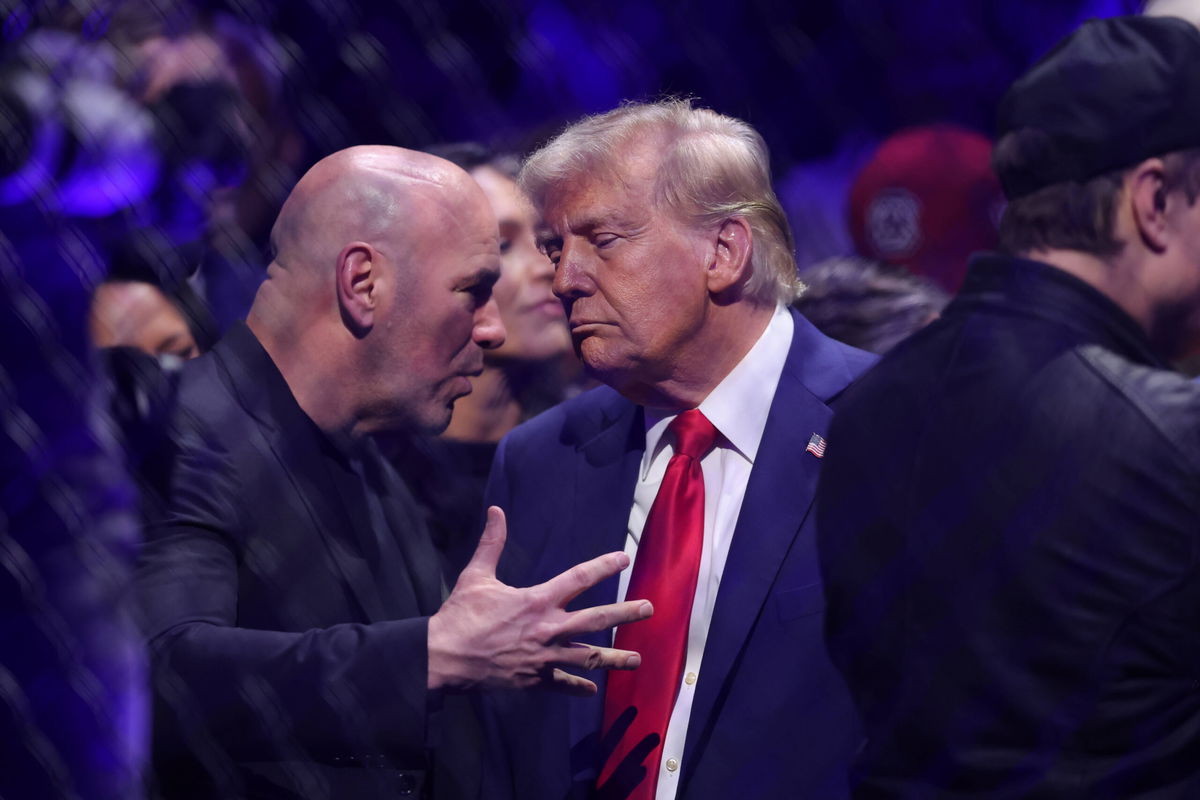
MMA: UFC 309 Nov 16, 2024 New York, NY, USA President-elect Donald Trump speaks with Dana White left during UFC 309 at Madison Square Garden. New York Madison Square Garden NY USA, EDITORIAL USE ONLY PUBLICATIONxINxGERxSUIxAUTxONLY Copyright: xBradxPennerx 20241116_tcs_ae5_149
According to the UFC producer who joined the organization in 1995 and departed the organization in 2002, the Trump Taj Mahal was not a last-minute lifeline. Semaphore Entertainment Group (SEG), UFC’s previous owner, had previously held an event there in 2000, and the February 2001 show had been booked months before Zuffa bought the business or appointed Dana White as the president.
“In all the meetings with the Taj Mahal hotel, arena, casino, I never met, saw, or spoke with Donald Trump,” James Werme said. “He had no involvement, nor did he attend.”
This very internal friction highlights a textbook case of promotional misdirection, in which one real historical association has now been stretched into a heroic origin tale to favor a modern alliance.
Even though Donald Trump definitely backed the sport by offering his place to the promotion—and subsequently sat ringside at UFC 32 at the Meadowlands in June 2001—critics argue that the timeline was rewritten after 2016 to lay the company’s multibillion-dollar success to the POTUS.
Even last month, during an interview with the Rolling Stones, the UFC CEO repeated the same story that is now part of the UFC lore about how Trump “showed up from the first fight of the night and stayed till the last,” which Werne argues wasn’t the case with UFC 30.
However, despite the corporate embellishments, early pioneers of the sport admit that Donald Trump’s casual association did carry some weight.
Donald Trump’s early interest did help legitimize the Dana White-led promotion
UFC co-founder Campbell McLaren, who notably gave Donald Trump’s then-wife Marla Maples her on-air singing debut at an event in 1994, was more forgiving about the dynamic.
Even though McLaren feels that media portrayals of the POTUS saving the UFC from going extinct are exaggerated, he acknowledges that having a high-profile billionaire treat the sport with respect was crucial when commissions tried to shut them down.
“I’m really trying to think of anyone that stood up for the UFC in that time period, and I really can’t think of anyone,” he said, adding, “I think [Trump’s] interest in MMA helped.”
Ultimately, the true irony of the savior narrative clashes with the financial reality of the time. While Dana White credits Donald Trump’s business empire with saving the UFC, the Trump Taj Mahal itself was drowning in corporate overexpansion and declared bankruptcy several times before closing its doors permanently in 2016.
James Werme believes that the savior story speaks directly to the present political landscape, in which facts often take a backseat to an appealing marketing angle.
Whether Donald Trump was an early supporter, a handy celebrity ally, or something else, the conversation today is less about a single fight card in 2001 and more about who deserves credit for one of the biggest success stories in modern sports.