
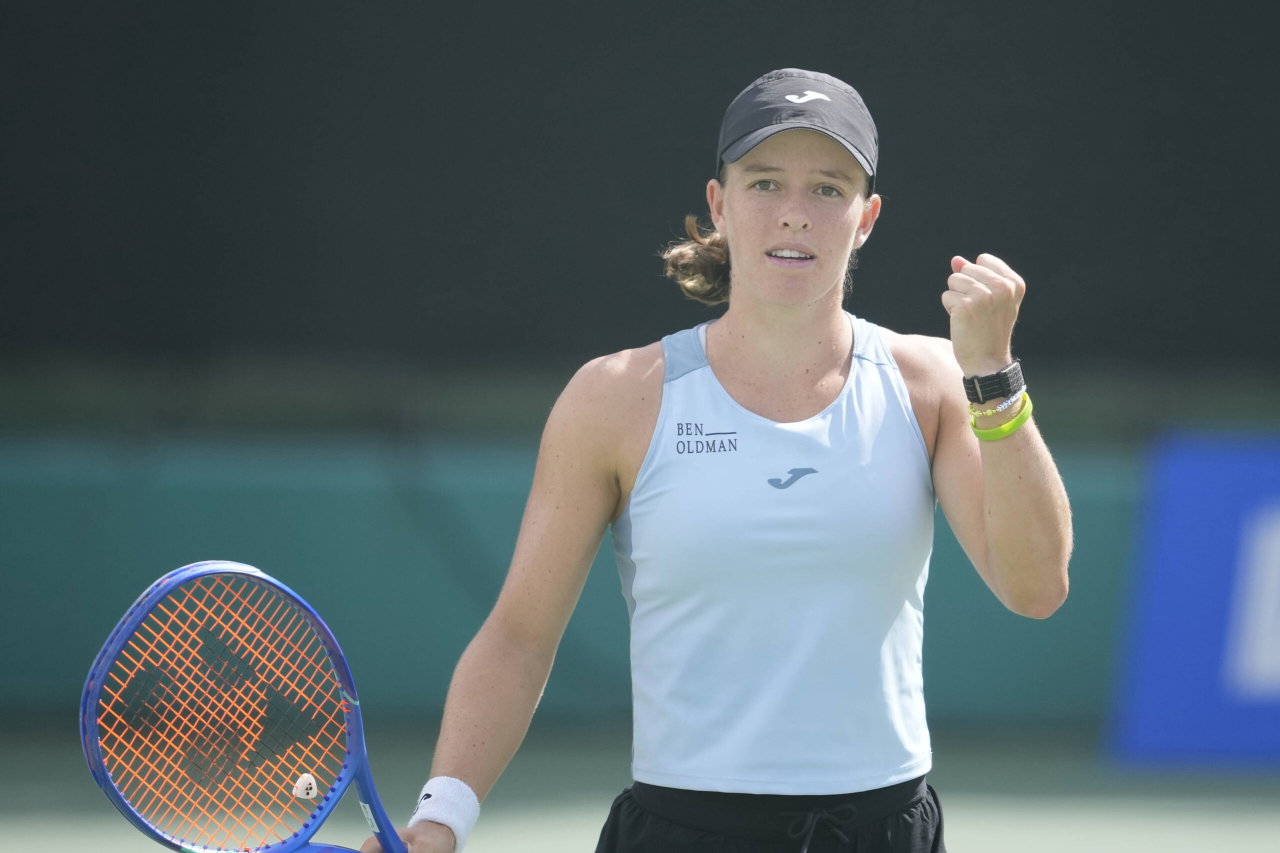
A strip of black fabric on a sleeve was all Kaitlin Quevedo wanted. The WTA denied the 20-year-old Spaniard, who was competing in the Guangzhou quarterfinal, and that decision has turned into the governing body’s worst week of publicity in months.
Watch What’s Trending Now!
Quevedo asked to wear a crespon negro, the black mourning band common at Spanish funerals and sporting events, in her last-eight match against Jil Teichmann on Friday. She wanted it for the victims of the high-speed rail disaster at Urda, in the province of Toledo, on October 28, which resulted in the deaths of 69 people and left more than a hundred in hospital. The WTA refused.
The tour referred to its Symbols and Slogans Policy, introduced on 1st October 2024, which states that players may not wear black and that any symbols or slogans must be approved in advance. Quevedo played without it, won 7-6(2), 6-3, and still reached the semifinals of the WTA 250 event.
Spanish tennis journalist José Morón shared his views on X and did not sugarcoat them.
“An incomprehensible decision and one showing a total lack of sensitivity,” Moron wrote. “They hide behind a rule that prohibits using the color black for this type of gesture and for which prior permission must be requested.”
“The ATP did allow Jodar to wear that ribbon in Basel. Between organizations, there are eons of distance between the ATP and the WTA,” he added.
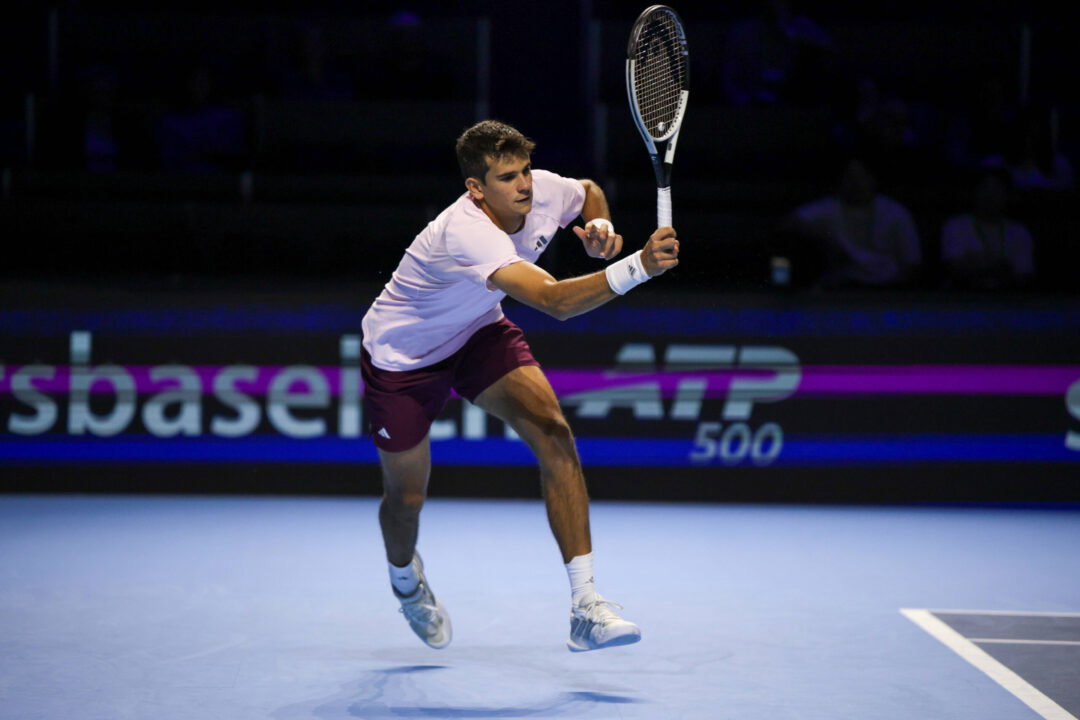
Imago
RECORD DATE NOT STATED 29th October 2026 St. Jakobshalle, Basel, Switzerland ATP, Tennis Herren Tennis, Swiss Indoors Basel, Day 6 second round match Rafael Jodar of Spain runs for the ball AnthonyxBenoit
The Jodar example is the problem for the WTA, because it happened at almost exactly the same time. Rafael Jodar, the Spanish teen, who is currently the world No. 11 and sitting on the verge of ATP Finals qualification, wore a black ribbon on his left sleeve in Basel on October 29 during his round-of-16 loss to Valentin Vacherot, 7-6(4), 2-6, 7-6(5), and ATP did not stop him.
Tennis has done this type of thing before as well. In 2025, at Wimbledon, they were allowed to break the all-white dress code by wearing black armbands after the death of the footballer Diogo Jota.
The WTA was moved by Friday evening. It was revisiting the case, and it did not seem to be defending the original call, the tour told Spanish agency EFE.
“After an internal review of the matter, we are speaking directly with Kaitlin about her wish to pay tribute before her next match,” it said, adding its “deepest condolences to those who lost loved ones in the railway accidents in Spain.”
That’s almost an admission that the first response was incorrect. It came after a day of the internet getting quite loud about it.
Fans turn on the WTA over the rejected tribute
The most common reaction was simple disbelief that a mourning band could be treated as a banned symbol at all. “But how are you going to ban a crepe? You have to be utterly useless in this life to come to that conclusion,” one user wrote, using the literal translation of crespon.
Imago
CINCINNATI, OH – AUGUST 17: A WTA, Tennis Damen logo is seen on the net during the Cincinnati Open at the Lindner Family Tennis Center on August 17, 2026 in Mason, Ohio. Photo by Ian Johnson/Icon Sportswire TENNIS: AUG 17 Cincinnati Open EDITORIAL USE ONLY Icon260817055
Others did not bother with argument and went straight for the double standard. “Jodar was allowed to wear a black armband,” read one reply, a direct comparison anyone had in their minds.
Some needed only three words. “Is this a joke?” asked another account.
A few took aim at the logic of the policy itself rather than the people applying it.
“Quevedo denied a black ribbon for a mourning gesture is absurd. the rulebook won the point, which is always a grand day for common sense,” one fan posted, in the sarcastic register that the whole thread quickly adopted.
Then came the comment that has been contested for years now in the tennis circuit.
“Anda que le iban a prohibir a Kostyuk llevar uno no se lo creen ni ellos,” a Spanish-speaking user wrote, which translates as a flat suggestion that nobody really believes Marta Kostyuk would have been refused. For years the Ukrainian had made her stance on her own country’s situation public on tour, and the comparison was intended to wound.
Quevedo will now face 4th seed Lilli Tagger for a place in the final, and her decision of whether to walk in with the band on her sleeve will tell more about the WTA’s decision than the statement they released. The policy was put together to keep politics out of tennis. A black ribbon for 69 dead commuters was never that, and it took a day of public anger for the tour to work it out.