
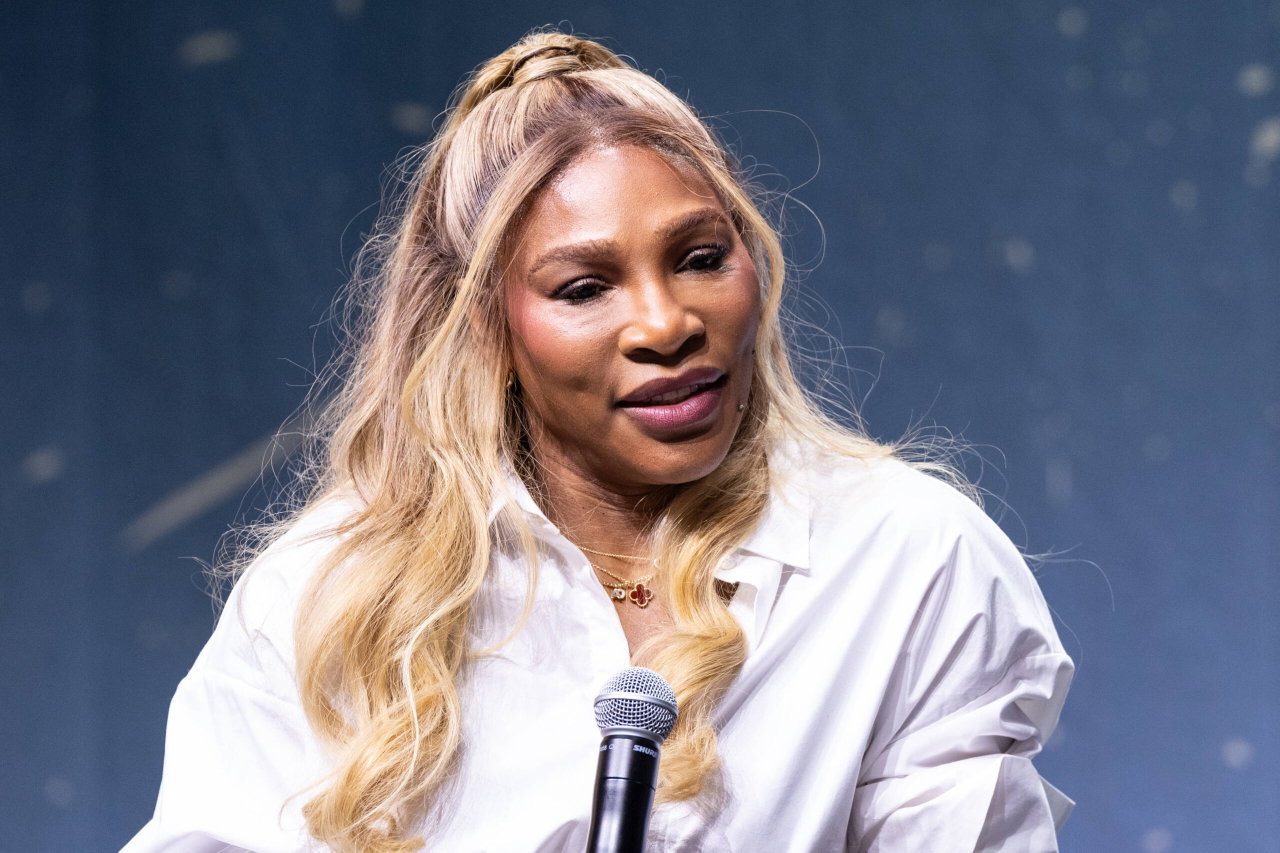
“I’m a Jehovah’s Witness.” Serena Williams’ words offer a glimpse into the woman behind one of tennis’ most recognizable names. But there’s much more to her story than the trophies and records. From her roots and upbringing to the family values that shaped her, Serena’s background has played a meaningful role in her journey. So, what lies behind Serena Williams’s ethnicity and the identity she carries with pride? Let’s take a closer look.
Watch What’s Trending Now!
Where is Serena Williams from and what is Serena Williams’s nationality?
Serena Williams is American by nationality. Born Serena Jameka Williams on September 26, 1981, she came into the world in Saginaw, Michigan, USA. As of 2026, she is 44 years old.
Although Michigan is her birthplace, Serena is most closely associated with Compton, California, where she spent her formative years. Her father, Richard Williams, moved the family to Compton, where Serena and her older sister, Venus, began intensive tennis training on public courts. Serena started learning the sport as a young child, with her father playing a central role in her development.
Her education was also closely tied to her tennis career. Serena was homeschooled, with her father involved in her early education. The family later moved to Florida so Serena and Venus could train at Rick Macci’s tennis academy. She eventually graduated from Driftwood Academy in Florida in 1999.
Serena later studied fashion design at the Art Institute of Fort Lauderdale. Her interest in fashion eventually became another important part of her life beyond tennis.
So, while Saginaw, Michigan, is where Serena was born, Compton, California, is where the foundation of her legendary tennis journey was built.
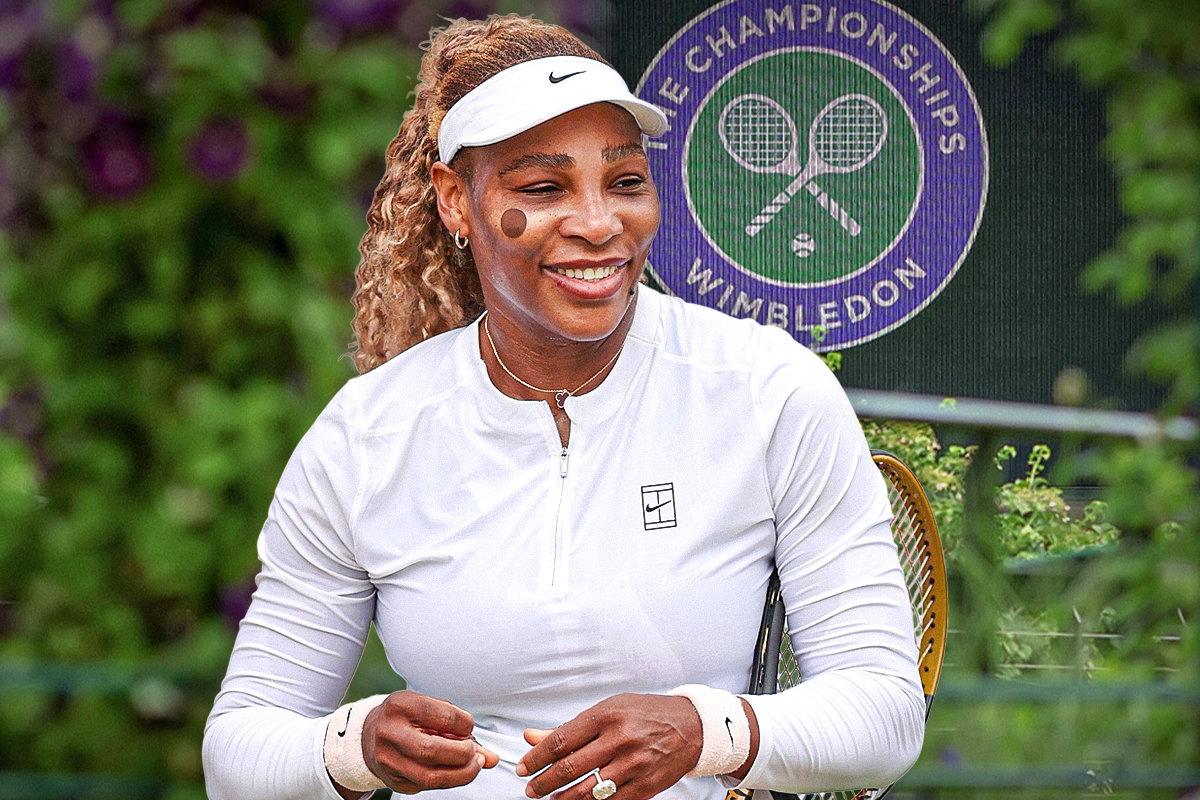
Imago
Image Courtesy: Imago
What is Serena Williams’s ethnicity?
Serena Williams is Black American, with African American heritage on both sides of her family. She has openly spoken about her identity as a Black woman and the experience of competing in a sport where Black athletes have historically been underrepresented. The California State Archives, for instance, describes Serena as a Black tennis player and notes how her identity shaped her experience in the sport.
Her parents, Richard Williams and Oracene Price, were also African American. Richard was born and raised in Shreveport, Louisiana, in a family of sharecroppers. His experiences with racism and poverty influenced his determination to give his daughters opportunities he did not have. The U.S. National Archives’ congressional record also recognizes Richard and Oracene as part of the African American family whose support helped Serena and Venus succeed.
Serena’s mother, Oracene Price, was born in Saginaw, Michigan, and came from an African American family with roots in the Mississippi Delta. She was not simply a supportive parent on the sidelines. Oracene helped teach Serena and Venus tennis alongside Richard and played an important role in developing their confidence and discipline.
Together, Serena’s parents gave her a strong connection to her Black American heritage, something that became an important part of her identity both on and off the tennis court.
Is Serena Williams Christian?
Yes. Serena Williams is a Christian and has long identified as a Jehovah’s Witness, a member of a Christian denomination. Her faith has been a visible part of her life and has often influenced how she approaches both tennis and life away from the court.
Serena was raised as a Jehovah’s Witness, after her mother, Oracene Price, became involved with the faith in the early 1980s. Serena has spoken openly about putting God first in her life. In a 2002 interview, she explained that she was a Jehovah’s Witness and said that her faith was based on belief in God and the Bible.
Her religious beliefs have also shaped some of her practices. For example, she has discussed attending Kingdom Hall services and participating in door-to-door witnessing, which is an important practice among Jehovah’s Witnesses.
Serena has also credited her faith with helping her through difficult periods. After the 2003 death of her half-sister Yetunde Price, she struggled with her faith but later returned to Bible study and religious meetings. She told The New York Times that she tried to develop a better relationship with God during that period. The Washington Post also reported that she attended Witness meetings and Bible studies during her grieving process.
More recently, Serena has continued to speak about the importance of the Bible and her faith. In a 2020 British Vogue interview, she said she had been diving back into the Bible and described understanding what the Bible says as important to her.
Serena Williams’ story is about more than tennis. Her ethnicity, family roots, upbringing, and faith have all helped shape the woman behind the champion. From her early years to becoming one of sport’s most influential figures, Serena has never been afraid to embrace where she comes from. And perhaps that is what makes her journey so compelling: the champion on the court has always been deeply connected to the person behind the racket.