
The US Open has a late-night problem, and the players are tired of it. Matches keep dragging past midnight while the tournament prioritizes television schedules over player recovery. Jessica Pegula called it out. Now, Aryna Sabalenka has joined her.
Watch What’s Trending Now!
“It’s tough. Almost every single night, the matches are finishing really late. I think it’s difficult, and I don’t think any of the players really like it. There are a lot of challenges when it comes to scheduling, including broadcast and TV requirements, but you have to wonder if it’s really the right thing for players to be finishing at 2 a.m. I think it’s a problem when people are going on after midnight, especially when it’s not like I’m watching on TV. I’m sleeping,” Pegula said.
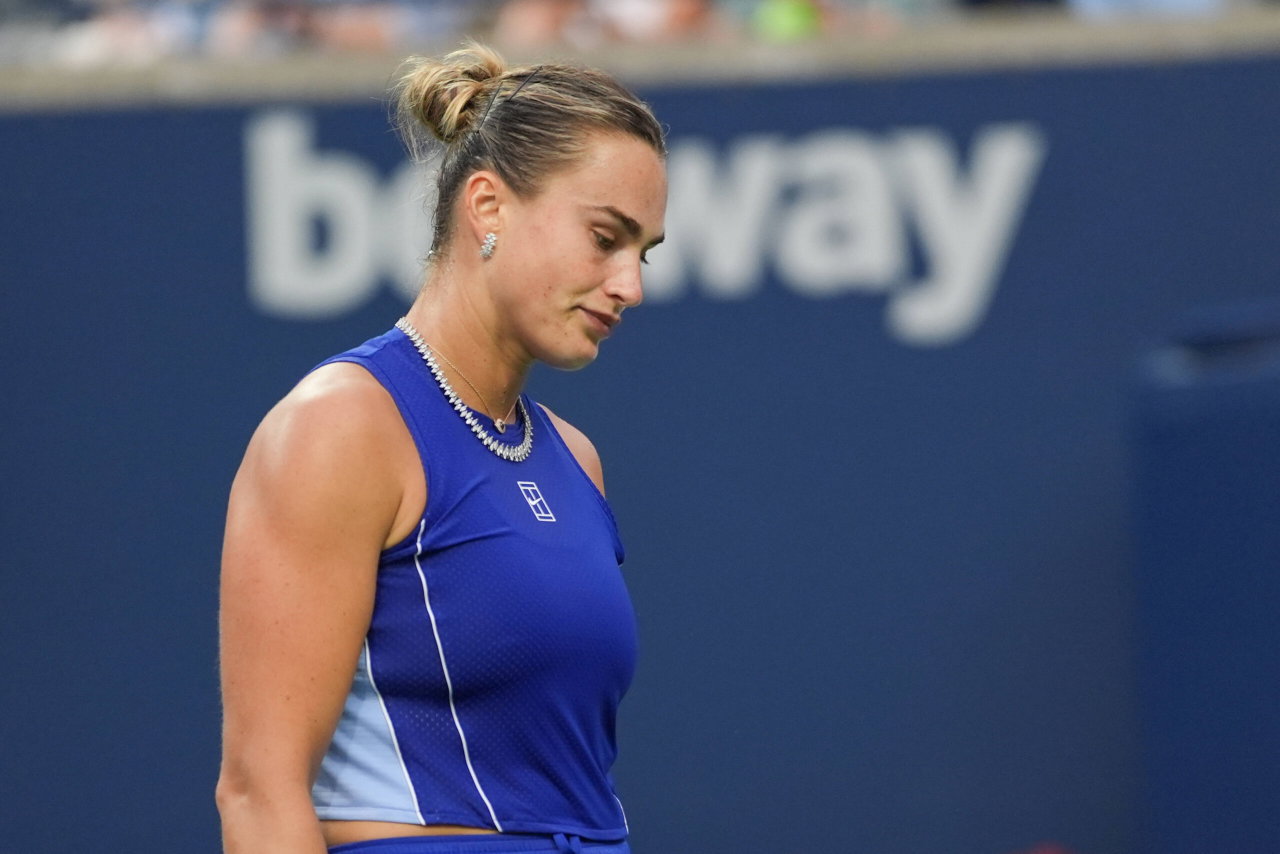
The World No.1 Aryna Sabalenka also backed Pegula and said, “Of course, I would prefer to finish earlier so I can have my easy evening, watch TV shows, you know, have an extra meal. When you finish late, it’s just like the whole next day shifts a lot. You still need to get hours of sleep, so you start later, and it can really mess with your schedule.”
The US Open’s late-night scheduling is becoming impossible to defend. Players are being forced to wait hours and compete well past midnight, with Venus Williams’ match against Sofia Kenin exposing just how ridiculous the situation has become.
The match began at 12:13 a.m. ET on Monday, the latest start in US Open history. It was supposed to be part of Sunday night’s schedule, but Novak Djokovic’s four-hour, 36-minute battle with Mariano Navone pushed it past midnight.
By the time Williams and Kenin finally walked onto Arthur Ashe Stadium nearly five hours after the night session began, much of the crowd had already disappeared. Kenin won 6-2, 7-6 and finished after 2 a.m. ET, turning a marquee match into a late-night scheduling embarrassment.
Venus Williams made her frustration clear after being forced to take the court at such a ridiculous hour.
“It was extremely late. I’ve never played a match that late before,” Williams said after losing. She called the timing “not ideal” and said it “wasn’t great for either of us.” Williams also made clear that she believed the tournament could find a better way to handle things in the future.
But the US Open has a lucrative reason for refusing to change. Its night sessions begin at 7 p.m. ET and feature two matches, allowing the tournament to sell separate day and night tickets while placing its biggest stars in prime-time television slots.
With ESPN’s broadcast deal reportedly worth nearly $170 million annually through 2037, late finishes appear to be the price players are being forced to pay for ratings and revenue.
The US Open has defended the setup by arguing that tennis matches have no fixed finishing time. Stacey Allaster said organizers considered starting earlier, but claimed it would be difficult for New York fans to arrive in time. She also argued that scheduling only one night match would be unfair to paying spectators.
Coco Gauff has also warned that 3 a.m. finishes are unhealthy. Even after leaving the court, players must complete media duties, receive treatment, shower, and eat before they can sleep.
This is not a new problem. In 2022, Carlos Alcaraz beat Jannik Sinner in a five-hour, 15-minute quarterfinal that ended at 2:50 a.m. ET, still the latest finish in US Open history. Four years later, the tournament still has no solution.
The real question is what the US Open values more: player welfare or prime-time revenue. Its scheduling has already made the answer painfully clear.