
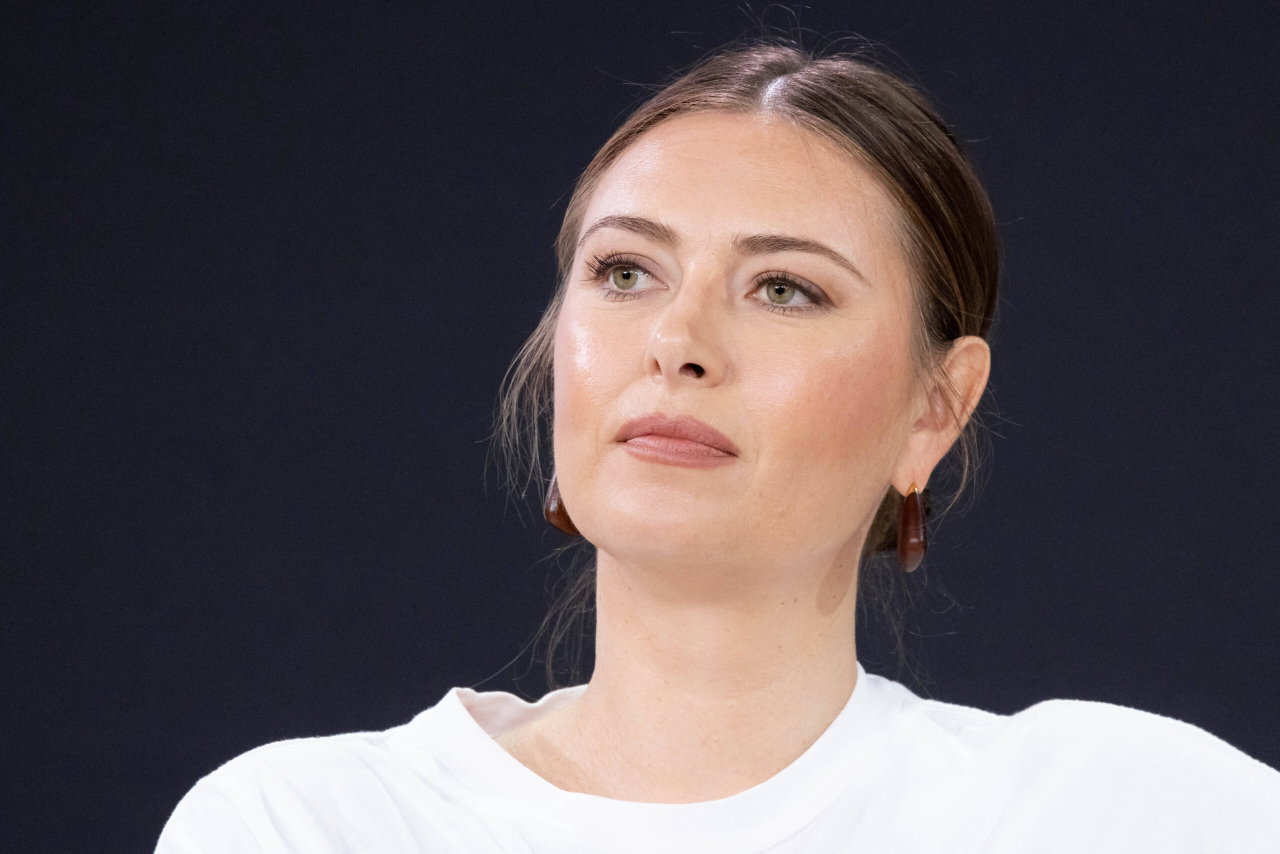
Maria Sharapova’s latest Polymarket promotion has put tennis’ betting contradiction back in the spotlight. The five-time Grand Slam champion is openly promoting a prediction platform. That is where the double standard becomes difficult to ignore. The US Open and other tennis bodies continue welcoming betting companies and prediction platforms, but the moment an active player gets close to the same industry, the rulebook comes out.
Watch What’s Trending Now!
“And now this…. New rule: if active players are not allowed to use the product in question, the rest of the tennis ecosystem cannot benefit from it,” said Wertheim on X.
Wertheim has a point. Tennis’ anti-corruption rules restrict active players and their teams from betting-related sponsorships, with fines and suspensions possible for violations. So why can tournaments, governing bodies, and retired stars profit from the same industry?
Polymarket is not the only prediction platform tennis is embracing. The USTA already has a controversial deal with Kalshi at the US Open. Neither platform presents itself as a traditional sportsbook, but the concept is similar: users put money on future outcomes and trade those positions as the odds move.
Polymarket has gone much deeper into tennis than Kalshi.
While Kalshi’s USTA deal is tied to the US Open, Polymarket is the ATP’s official prediction-market partner across the Tour. The agreement gives it access to match data and streaming rights for around 20,000 ATP Tour and Challenger matches each year.
Polymarket does not have a WTA deal yet, but having Maria Sharapova promote the platform certainly gives it more visibility on the women’s side. The former World No. 1 shared a promotional video on Instagram showing herself buying and selling Polymarket positions while watching a tennis match.
“Every serve. Every match point. Only on Polymarket,” was the caption on Sharapova’s post on Instagram. “Livetrade and livestream tennis with instant buy and sell on the @polymarket app”.
However, given the recent episode in which the tennis players are under ITIA scrutiny for attending a party hosted by a betting platform, promoting a trading platform, and pairing up as the official partner with the whole Tour, this is unlikely to sit well with many tennis insiders and players.
Players Being Under Scrutiny for Attending a Party Hosted by a Betting Platform
That is where the double standard gets harder to defend. The US Open and the Tours can partner with betting and prediction platforms, but players are still held to much stricter rules. Aryna Sabalenka, Coco Gauff, Serena Williams, and others recently came under ITIA scrutiny simply for attending a party hosted by DraftKings.
The players have expressed their discontent at the recurring partnerships between the tennis establishment and such platforms, with the main concern being that of bettor abuse.
Top-ranked players like Jessica Pegula have expressed reservations about the ongoing partnership with Kalshi, as she drew attention to the abuse players received from disgruntled bettors who lost when players lost.
“Yeah, that’s been a conversation going on for a bit. Players can’t do anything with a betting-type sponsorship, but tournaments profit from a lot of that stuff. It’s a tricky question because we get a lot of negativity from bettors, whether we win or lose. It doesn’t even matter sometimes,” Pegula said in her press conference.
Given that sports betting is an accepted practice in a lot of countries, especially in the US, the presence of betting and trading platforms is only expected to increase.