

The recent four-year ban of former SW19 winner Markéta Vondroušová has already reignited fierce debate over tennis’ anti-doping testing policies. The Czech professional revealed that anti-doping officials arrived unannounced at her house, triggering an acute stress reaction. Now, Serena Williams has joined the conversation, criticizing the testing system.
Watch What’s Trending Now!
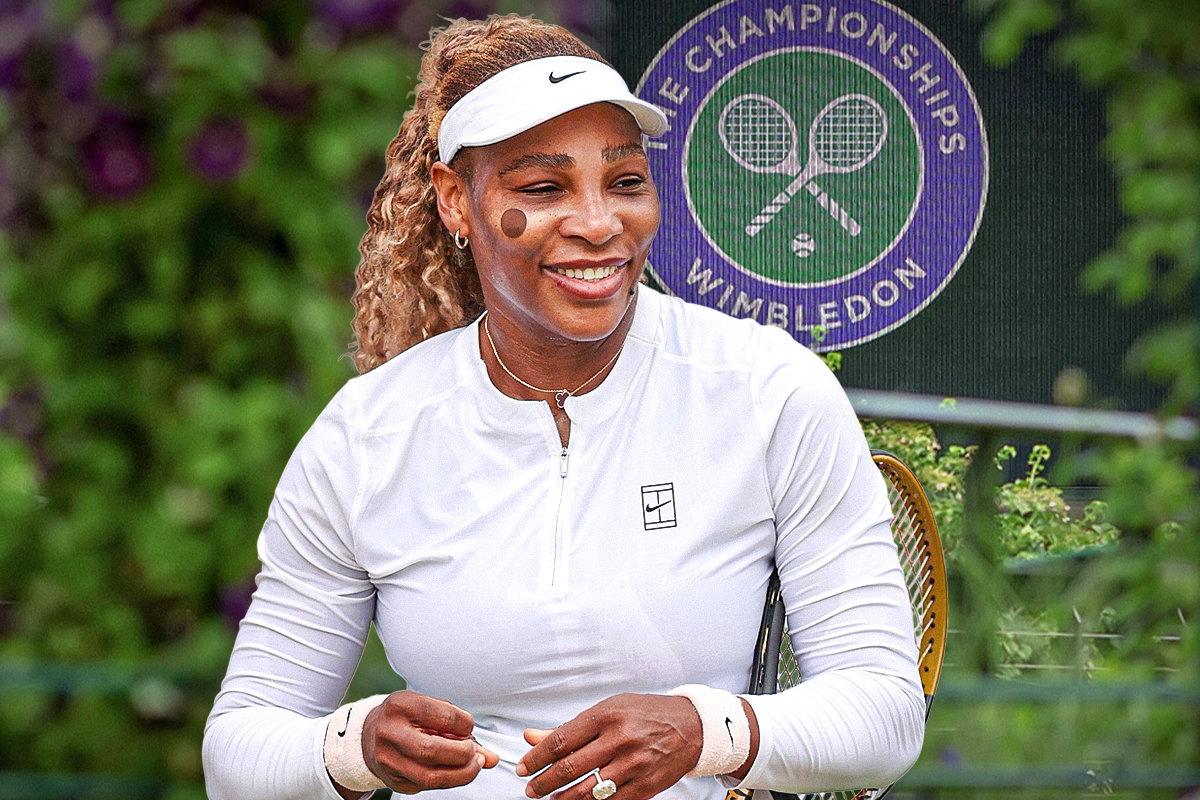
“It’s grueling. They changed the rules now. I didn’t know some of the rules. So apparently if you miss a test outside of your window, it still counts as missed,” Serena Williams said in her pre-match press conference at SW19. “I’m like, I guess I can’t go pick up my kids. It’s unprofessional. I hate it. I think it’s necessary, but I think a lot of the stuff, if I want to go places outside of my window, I should be able to go without having it count as a missed test,” she explained.
The American then explained how the system no longer fits with her busy personal and professional life. “That was a big reason why I didn’t want to come back either, because it’s just so hard. I mean, my life is busy, I run a company, I run a VC company, I travel the world. I have children. It’s like I could be in so many different cities so many different times,” she added.
Serena’s comments came as the anti-doping testing system has once again made headlines. Under ITIA rules, all the tennis players must provide their daily “whereabouts” for no-notice anti-doping tests. The entire system is built to allow doping testers to locate athletes at any time.
Imago
Image Courtesy: Imago
The rules and regulations also state that players can be punished even without a positive drug test. A total of three “whereabouts failures” within a year can result in sanctions. And this is not the first time the seven-time SW19 winner has publicly criticized the policies. In 2018, Serena Williams took to X after a visit from a doping tester. Once again, the 44-year-old questioned how often she was being selected.
“And it’s that time of the day to get ‘randomly’ drug tested and only test Serena. Out of all the players, it’s been proven I’m the one getting tested the most. Discrimination? I think so. At least I’ll be keeping the sport clean,” Serena then tweeted.
And now, with the former world No. 1 weighing in on the emotions sparked by the recent Vondroušová incident, the ITIA has also issued a response as the debate reignited.
ITIA responds after Serena Williams bashed the anti-doping testing system
The anti-doping testing rules are nothing new to the tennis players, as several have faced consequences under the system over the years. Three years ago, ATP ace Jenson Brooksby received an 18-month suspension. The tribunal court ruled that he had missed three drug tests within a year.
The 25-year-old American argued that he never knew a doping control officer was trying to locate him one morning. Brooksby said his phone was on silent when the call came through. Now, similar frustrations have been voiced by players once again, including the 23-time Grand Slam winner. As the discussion intensified, the ITIA recently issued a statement explaining how the whereabouts system actually works.
“If a tester is unable to reach a player during their allocated hour, then it may well be a ‘strike,’ and three failures could lead to a charge,” the ITIA said to the Associated Press. “If a tester is unable to reach a player outside of their allocated hour, it is not considered a strike.”
The anti-doping testing organization also denied that the rules had recently been changed. “There have been no changes to the whereabouts rules in the last few years. We understand the system can seem challenging, but it is there to protect players, not to trip them up.”
Even as the debate over testing procedures for tennis players continues to gather attention, the focus is slowly shifting back toward the action on court. Yet the entire procedure has once again grabbed headlines, adding another layer of attention before the second day of Wimbledon.