
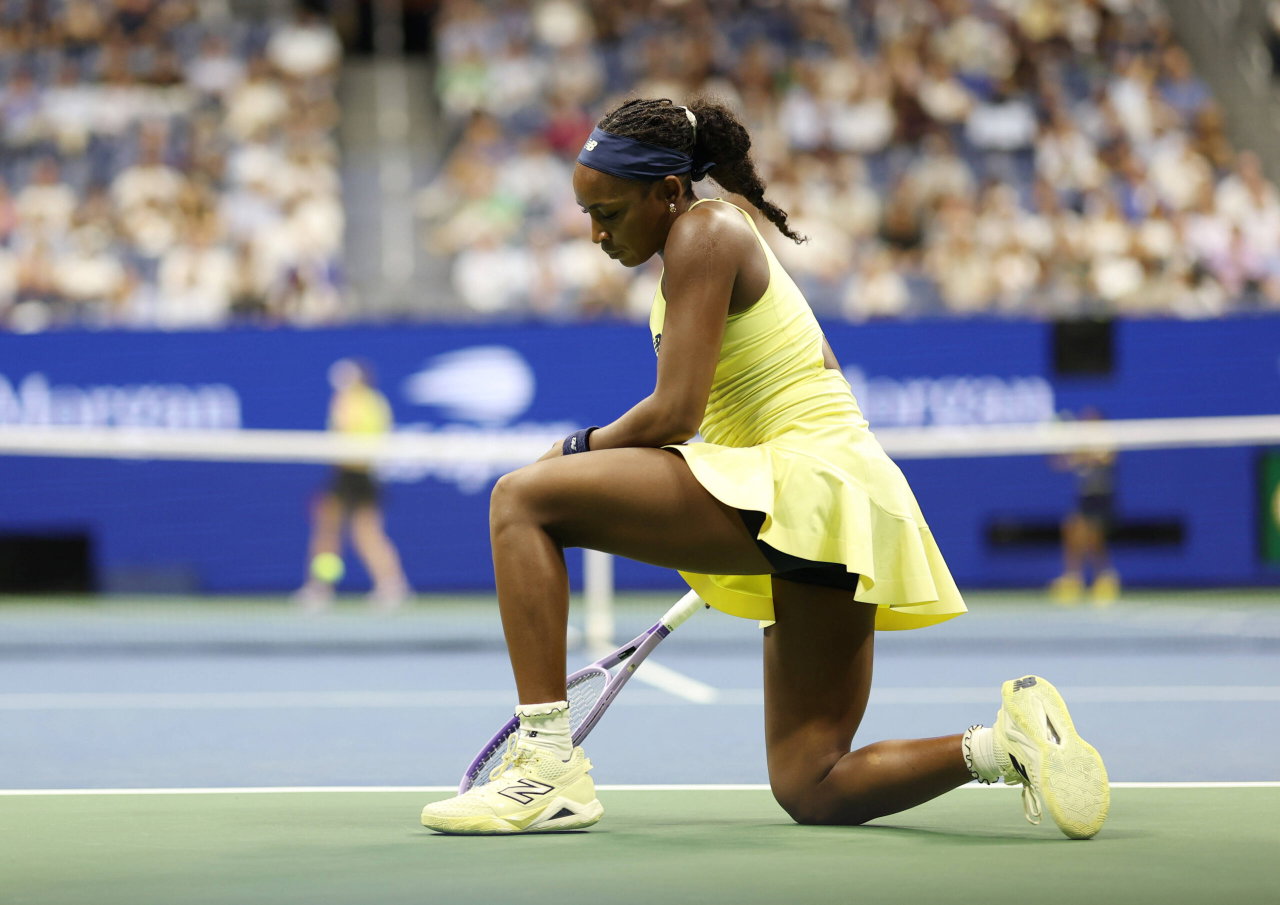
After Coco Gauff was eliminated from the US Open semifinal against Elena Rybakina in three sets, she put up a heartbreaking message on her Instagram, and what followed was impersonation and not support. An account on X used her US Open images and copied that message to impersonate Gauff. The 22-year-old was quick to notice this and urged her fans and followers to report the account – that request was heard.
Watch What’s Trending Now!
Gauff’s fight against an online impersonator has ended with the account’s suspension. The “@CocoGauff448” profile, which spooked fans by using her US Open photos, was blocked from responding to Gauff’s posts days later, and then the account was taken down entirely from X.
“Report this account. lol impersonating me then blocking me from engaging with you. lol weird,” Gauff wrote on X, tagging the account directly. “@CocoGauff448 delete your account and stop scamming people.”
“And while we are here, I will never ask people to send me money,” she followed up with a broader warning to fans about the kind of scam these impersonation accounts typically run. “I have been told there are a lot of accounts scamming people pretending to be me. I am not on Telegram or would communicate with people on WhatsApp. Please DO NOT send money to ‘me’ because I promise it’s not me.”
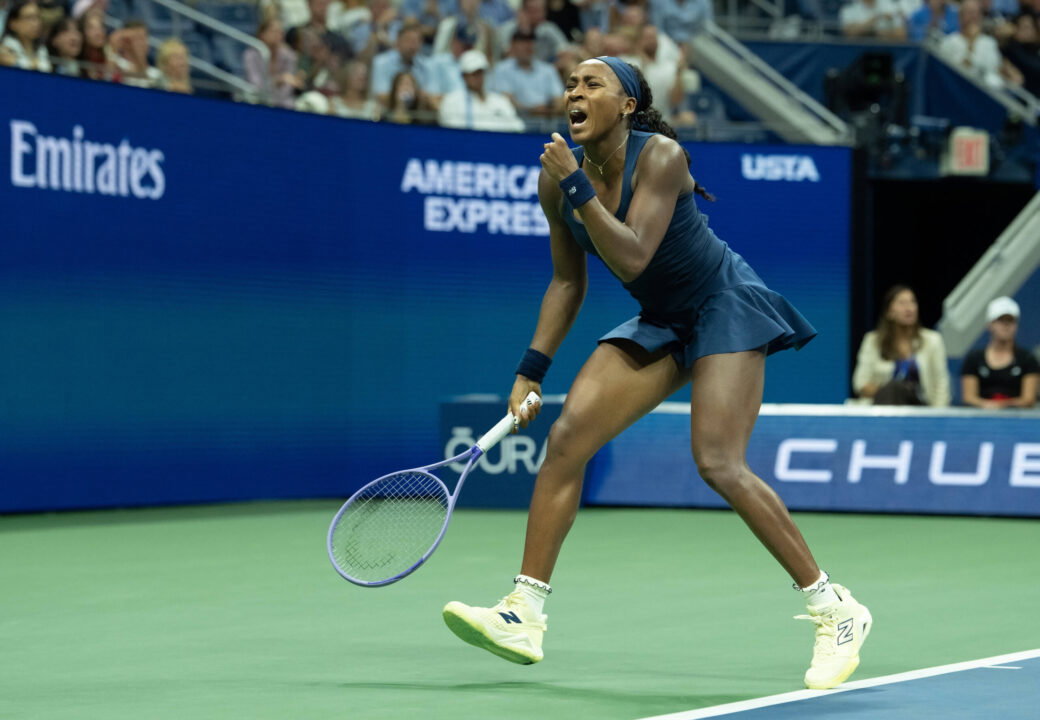
Fans and followers took Gauff’s call to report the account seriously, and the pressure worked. X has since suspended the account completely, and the platform’s default message reads: “X suspends account that violates our rules.” One fan was celebrating the result right at Gauff.
“WE DID IT!!! JUSTICE HAS BEEN SERVED @cocogauff,” they wrote.
Her ordeals with social media don’t end at fake profiles either. Gauff has spent much of this year speaking out about her own privacy being violated on tour, most notably after a viral moment at the Australian Open in January. Following a lopsided quarterfinal loss to Elina Svitolina, Gauff walked off court, made her way to a hallway she believed was free of cameras, and smashed her racket seven times to vent her frustration. The entire incident was recorded on camera behind the scenes and was quickly shared.
“I tried to go somewhere where they wouldn’t broadcast it, but obviously they did,” she said afterward. “Maybe some conversations can be had, because I feel like at this tournament the only private place we have is the locker room.”
She even referred to a similar incident that happened with Aryna Sabalenka after their US Open final in 2023, where the Belarusian had smashed her racket in what she thought was a private cooldown area. The comments drew support from several of her peers, including Novak Djokovic, who called it
“Really sad that you can’t move away anywhere and hide and fume out your frustration,” and Iga Swiatek, who put it more bluntly: “Are we tennis players, or are we, like, animals in the zoo where they are observed even when they poop?”
She has also been vocal about the abuse she receives from bettors after losses, along with racist messages, something she recently faced after her Madrid Open exit this year.
Other players who have battled the same problem
Gauff is far from the only player who has had to publicly disown an account pretending to be them. Iga Swiatek issued her own warning to fans this year after learning of accounts impersonating her and her charitable foundation, some promising to fund a fan’s trip to a tournament or arrange a meeting with her in exchange for money. “Don’t trust such messages, it’s a scam,” she wrote.
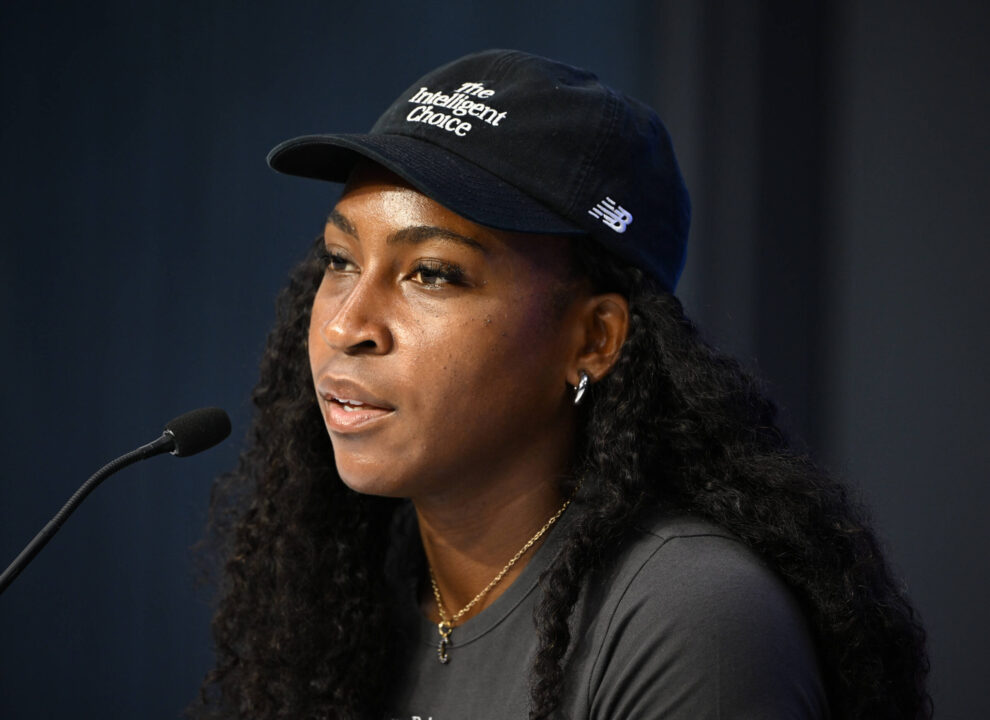
Imago
FLUSHING NY- AUGUST 28: Coco Gauff is seen during Media Day at the USTA Billie Jean King National Tennis Center on August 28, 2026 in Flushing Queens. Copyright: xmpi04/MediaPunchx
The same issue has plagued Carlos Alcaraz, who has spoken in the past about impersonators contacting fans for fake meet-and-greets and charging them for it.
“My team and I are not behind any of this soliciting, nor do I participate in meetings like this,” he said at the time. “I am saddened that individuals are trying to take advantage of them.”
These impersonators take advantage of players’ huge social media followings to gain their own advantage in the form of earning money or fame.