Why Did FIFA Introduce Hydration Breaks at the FIFA World Cup 2026? Player Welfare, Heat Rules and the Controversy Behind the Decision

Add us on Google
Why Did FIFA Introduce Hydration Breaks at the FIFA World Cup 2026? Player Welfare, Heat Rules and the Controversy Behind the Decision
Add us on Google
Imago
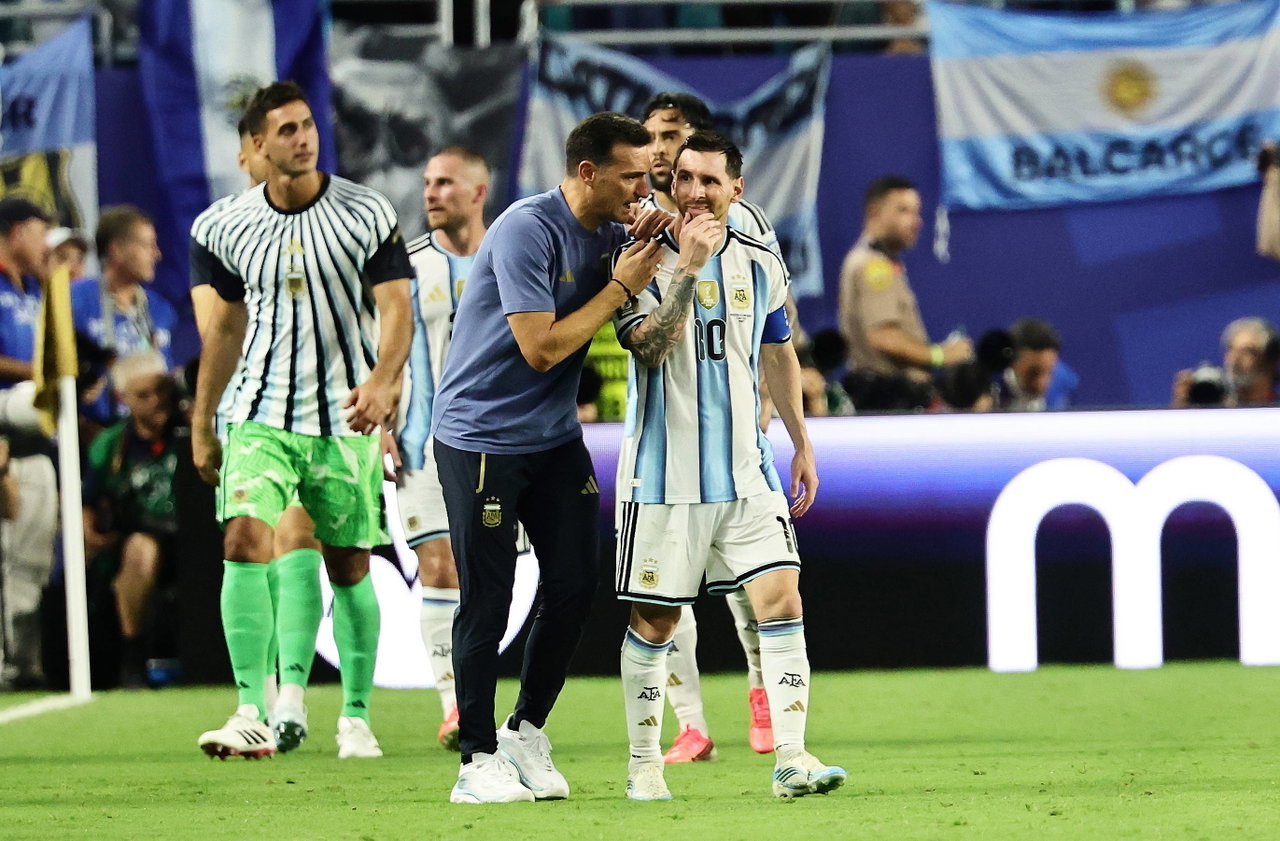
FIFA World Cup, WM, Weltmeisterschaft, Fussball 2026 – Round of 32 – Argentina vs Cape Verde Argentina s head coach Lionel Scaloni talks to team captain Lionel Messi after Argentina scored their third goal during the FIFA World Cup 2026 Round of 32 match Argentina against Cape Verde, in Miami, USA, 03 July 2026. MIAMI United States PUBLICATIONxINxGERxAUTxINDxONLY Copyright: xRONALDxWITTEKx
Imago
FIFA World Cup, WM, Weltmeisterschaft, Fussball 2026 – Round of 32 – Argentina vs Cape Verde Argentina s head coach Lionel Scaloni talks to team captain Lionel Messi after Argentina scored their third goal during the FIFA World Cup 2026 Round of 32 match Argentina against Cape Verde, in Miami, USA, 03 July 2026. MIAMI United States PUBLICATIONxINxGERxAUTxINDxONLY Copyright: xRONALDxWITTEKx
The 2026 World Cup has a lot of big updates. There are more teams playing across North America than ever before. But one new rule is completely changing how the actual games feel. FIFA is forcing every single match to stop for water breaks. While keeping players safe from the summer sun is the main goal, this new rule has started a big fight between fans, TV channels, and the people running the sport.
Watch What’s Trending Now!
Why Did FIFA Introduce Hydration Breaks at the FIFA World Cup 2026?
Running on a soccer field for 90 minutes is incredibly hard work. Doing it during the hottest summer months in America, Mexico, and Canada makes it even tougher. High heat can easily make players feel dizzy or pass out. FIFA created these breaks to give players a set time to drink water and cool down so they do not end up getting sick on the field.
What Are the New FIFA World Cup 2026 Hydration Break Rules?
The new rule says that all 104 games in the tournament must have these breaks. This is very different from old World Cups. Before this, referees only stopped the game if the weather felt way too hot on that exact day. Now, there are no exceptions.
Imago
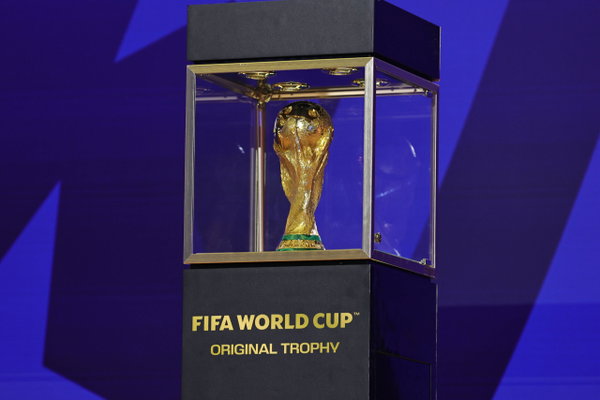
July 17, 2026, New York, New York, USA: The original FIFA World Cup, WM, Weltmeisterschaft, Fussball trophy during a special FIFA World Cup Final press conference, PK, Pressekonferenz event at Fanatics Fest at the Jacob Javitz Center on Friday, July 17, 2026 New York, New York, USA. New York USA – ZUMAs325 20260717_zsp_s325_059 Copyright: xJessxStilesx
Even if teams play in a cooler city like Seattle or inside a stadium with air conditioning and a closed roof, the game still has to stop.
When Do Hydration Breaks Take Place During a FIFA World Cup Match?
Referees blow the whistle right in the middle of each half. Usually, this happens about 22 minutes into the first half and again 22 minutes into the second half. Each break lasts for three full minutes. Instead of playing for 45 minutes straight, the game gets split up. This gives players a quick rest to get water, and it gives coaches a moment to talk about team strategy.
Did the 2025 FIFA Club World Cup Influence FIFA’s Decision?
The bad weather at the Club World Cup in America last summer forced FIFA to make this rule. Players and managers were very angry about how hot the games were. Enzo Fernandez, a midfielder for Argentina, said he felt super dizzy on the field. Marcos Llorente from Spain complained that the heat was so bad his feet actually hurt. Some teams even had to cancel their outdoor practices because the weather was too dangerous. Those scary moments made FIFA realize they needed a strict rule instead of leaving it up to the referee.
Why Have FIFA World Cup 2026 Hydration Breaks Sparked Controversy?
A lot of soccer fans hate this rule because it completely ruins the flow of the match. People feel like soccer is turning into a game with four quarters, just like American football. The biggest anger came when fans realized FIFA let TV networks show commercials during the three-minute breaks. Because of that, fans are accusing the sport’s bosses of caring more about extra ad money than actual player safety.
Will FIFA Continue Using Hydration Breaks After the 2026 World Cup?
No one knows if these breaks will stay forever. Arsene Wenger, who helps run soccer development for FIFA, said the group will look at all the facts and complaints after the tournament ends. Since fans were clearly annoyed by stops happening in cool weather and indoor stadiums, the bosses will have to rethink the rule before deciding if it becomes a permanent part of international soccer.
Written by

Edited by

Ved Vaze