Imago
Credits: Instagram
Imago
Credits: Instagram
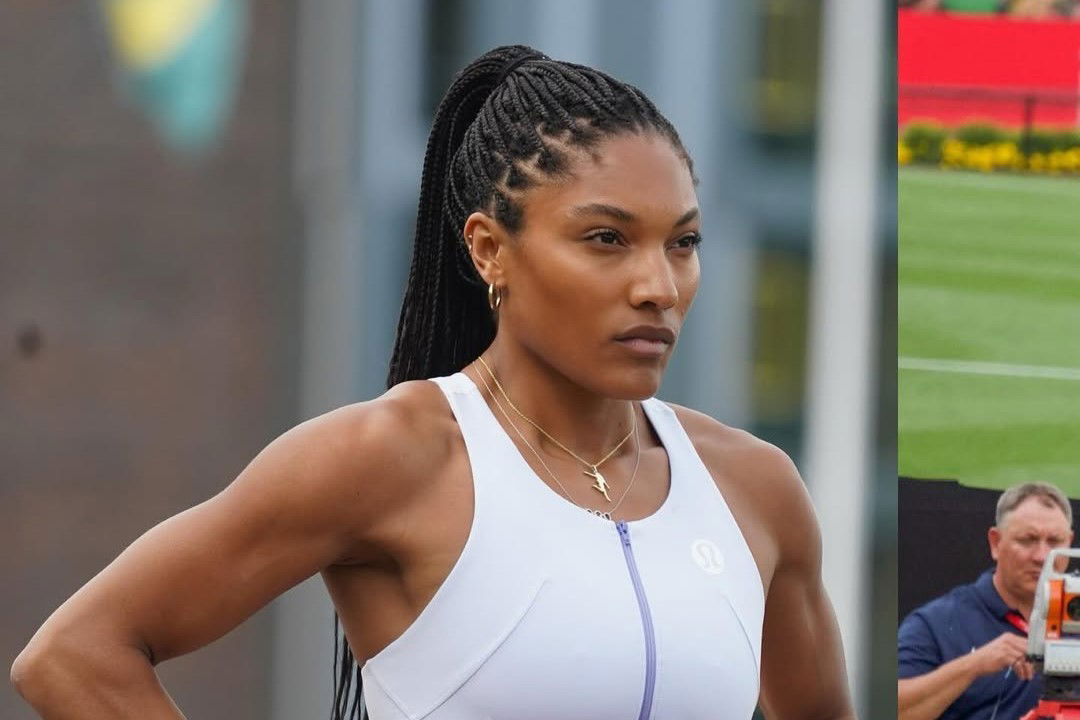
“Why do we have to go all the way to Europe, spend all this money, and barely get a dime when we come back to the [United] States?” asked Tara Davis-Woodhall, voicing the frustration many athletes share over the sport’s long-standing pay parity. Whether it’s the Diamond League or even the World Championships, the numbers speak for themselves: a gold medal nets just $30,000 in the league and $70,000 at the Worlds, pennies compared to what stars in other sports bring home. Countless track and field athletes have admitted that there’s no money in the sport.


The Olympic gold medalist recently reignited the pay gap debate on Instagram by resharing a post from WipeTheLine. The story highlighted the staggering disparity: World Athletics 100m champion Oblique Seville earned just $70,000, while US Open winner Carlos Alcaraz pocketed $5 million, and boxing superstar Canelo Álvarez walked away with a jaw-dropping $150 million for a single fight against Terence Crawford. The comparison underscored the harsh reality that track and field athletes remain vastly underpaid despite being at the pinnacle of their sport.
Watch What’s Trending Now!
Why is the payout so low? In athletics, the prize pool is spread across multiple competitors, but even then, track and field stars earn far less than athletes in other sports. For most, sponsorships are the only steady source of income. Olympic medalist and analyst Rori Dunk highlights the issue: back in 2015, a gold medal paid $60,000. Ten years later, it’s only $70,000. Adjusted for inflation, it should be around $81,778, meaning today’s champions are actually earning less in real terms.
View this post on Instagram
Many track and field athletes struggle to secure sponsorships, even at the elite level. Limited media coverage and low visibility outside major events make them less appealing to brands. Even top athletes face challenges; as Olympic gold medalist Gabby Thomas said, “It’s really striking to me how in track and field, unless you have an outside sponsorship, you don’t get paid.”
This contrasts sharply with the Big 4 leagues (NFL, MLB, NBA, and NHL), where athletes routinely sign multi-million-dollar deals. Well, maybe this is why Tara Davis-Woodhall has a crucial piece of advice for the upcoming generation.
“Being a pro athlete isn’t always glitz and glamor”- Tara Davis-Woodhall
Nowadays, many collegiate athletes chase records with the goal of turning professional, including recent examples like Johnny Brackins Jr., Brynn King, and Jordan Anthony. While securing a first sponsorship often sparks the rush to go pro, Tara Davis-Woodhall has openly questioned this approach. “If you collegiate athletes are thinking about going pro and have more eligibility left… don’t go pro! Stay in college,” said the athletes via Threads.
She further added, “You’ll get paid more being in college than pro… being a pro athlete isn’t always glitz and glamor… you have to take care of everything yourself… and pay hella people just to get you to point A to B.” Tara Davis-Woodhall enjoyed a stellar collegiate career, beginning at the University of Georgia before transferring to the University of Texas for superior facilities.
While at Georgia, she set the U20 record in the 60m hurdles, and during her time in Texas, Tara Davis-Woodhall captured both the NCAA indoor and outdoor long jump titles. Through NIL, athletes can earn significant income from brands, sponsorships, and collaborations, reducing their reliance on prize money. Moreover, starting July 1, the new NCAA rule allows schools to directly pay up to $20.5 million under the updated policy.
Written by

Edited by

Sowmya Anantharaman