Imago
Credits: IMAGO
Imago
Credits: IMAGO
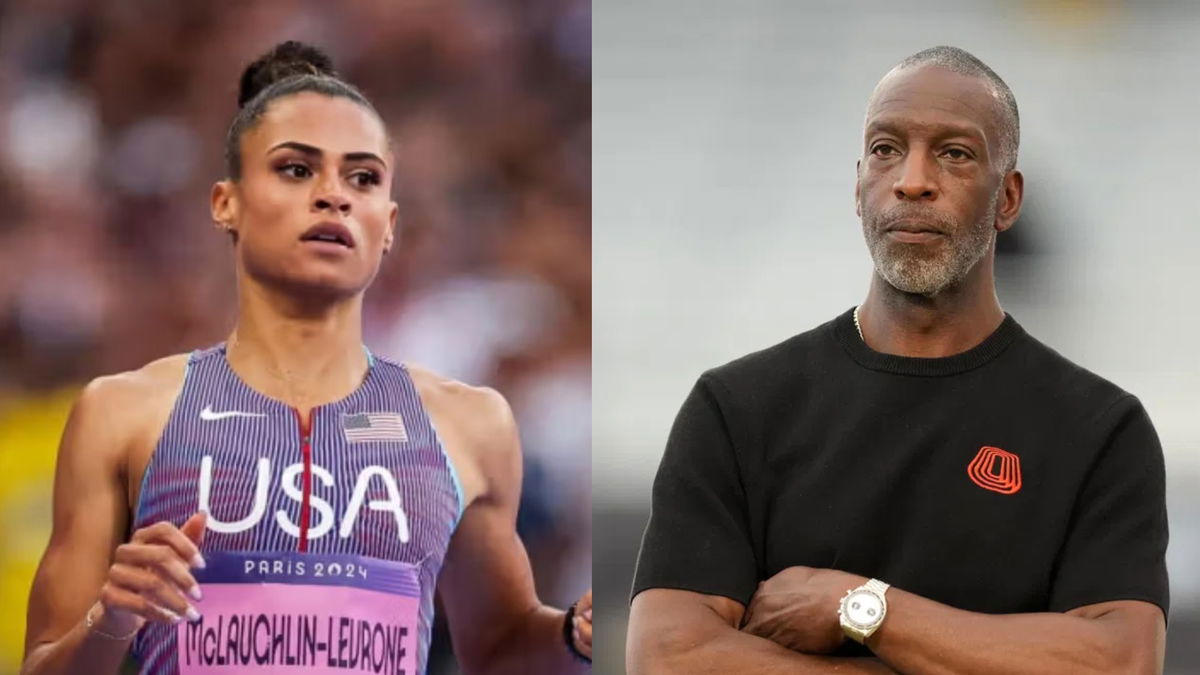
Grand Slam Track was launched with big plans, offering $100,000 per “Slam” for winners. Now, the league is buried in debt, initially reported at over $30 million owed to athletes like Sydney McLaughlin‑Levrone, Gabby Thomas, and others. However, according to the most recent court filings, the financial situation is much higher than predicted.


The bankrupt league revealed in court filings as of January 27, 2026, that its debts have reached $40.68 million, while generating less than $2 million in revenue during its first season, which featured three track meets.
Watch What’s Trending Now!
This means each meet effectively costs the league $13.56 million, far more than it earned. These filings provide the most complete financial picture to date, showing debts $10 million higher than initially reported. And the amounts owed to athletes alone highlight the scale of the problem.
According to the latest court hearing, the Grand Slam Track league now owes significant sums to athletes including: Shamier Little ($23,750), Ackeem Blake ($22,000), Andre De Grasse ($22,000), Clement Ducos ($21,250), Medina Eisa ($20,750), Fred Kerley ($25,000), Dina Asher-Smith ($24,500), Jacious Sears ($24,500), Malik James-King ($24,500), Brittany Brown ($24,000), Anna Cockrell ($26,000), Christopher Bailey ($26,000) and more.
Grand Slam owes $40.68 million in total across the 3 track meets they host.
Meaning each meet cost the bankrupt league $13.56 million per meet.
Here's every athlete they owe $20,000 or more 👇
🧵
$23,750: Shamier Little
$22,000: Ackeem Blake
$22,000: Andre De Grasse pic.twitter.com/X964og0FnT— RoriDunk (@FitzDunk) January 28, 2026
The highest payments owed to athletes are: Sydney McLaughlin-Levrone ($268,750), Kenny Bednarek ($195,000), Gabby Thomas ($185,625), Melissa Jefferson-Wooden ($174,375), and Marileidy Paulino ($173,125). Even with these numbers, the league’s assets barely scratch the surface of what it owes.
The 221-page Schedules of Assets and Liabilities provide further insight. Grand Slam Track holds $831,385 in property assets, including $143,286 in cash. The league owes $5.02 million to secured creditors, $68,295 to priority unsecured creditors, and $35.59 million to other unsecured creditors.
Nearly $688,260 of cash is tied up in bankruptcy-related costs, covering legal and administrative fees. With these figures, the question arises: why did the league fail so badly in the first place?
How Grand Slam Track’s ambitions collapsed
Grand Slam Track started with great promises such as approximately $30 million in funding from investors. However, a major investor withdrew following the initial event, and this plunged the league into an unexpected cash-flow crunch. The league was unable to afford to pay athletes on time without that support.
In addition, the model of the league relied on the selling of tickets, sponsorships, and broadcast revenues to supplement its splendid payouts. But the attendance was poor in the early days, and the sponsorship and TV contracts were not as good as expected. Costs were much higher than revenues and debt was rapidly growing.
Financial strain forced Grand Slam Track to cancel and modify events. Of the four originally planned meets, the Los Angeles event was canceled, and the Philadelphia meet was shortened. These changes reduced potential revenue and undermined confidence among athletes, fans, and partners.
Before filing for bankruptcy, Grand Slam Track league offered creditors, including athletes, vendors, and partners, roughly 50 per cent of what was owed. Many refused, opting instead to pursue full repayment through bankruptcy proceedings, which led to the league filing Chapter 11.
During this time, rumors circulated that Michael Johnson had pocketed $2 million while athletes went unpaid. GST and Johnson’s team firmly denied this, stating: “The rumors that Michael Johnson received $2 million or profited in any way from Grand Slam Track are categorically false. In fact, Michael has invested over $2 million of his own money into the project.” But even with these clarifications, questions about the league’s future remained.
As Michael Johnson’s Grand Slam Track filed for Chapter 11 bankruptcy in Delaware, it gives the league a chance to reorganize rather than liquidate. Under this structure, the league can continue operations while working with creditors, restructuring debt, and seeking new funding.
Technically, a comeback is possible, but it hinges on resolving outstanding debts and restoring investor confidence. Each bankruptcy hearing, however, shows that the debt is continuing to rise!