
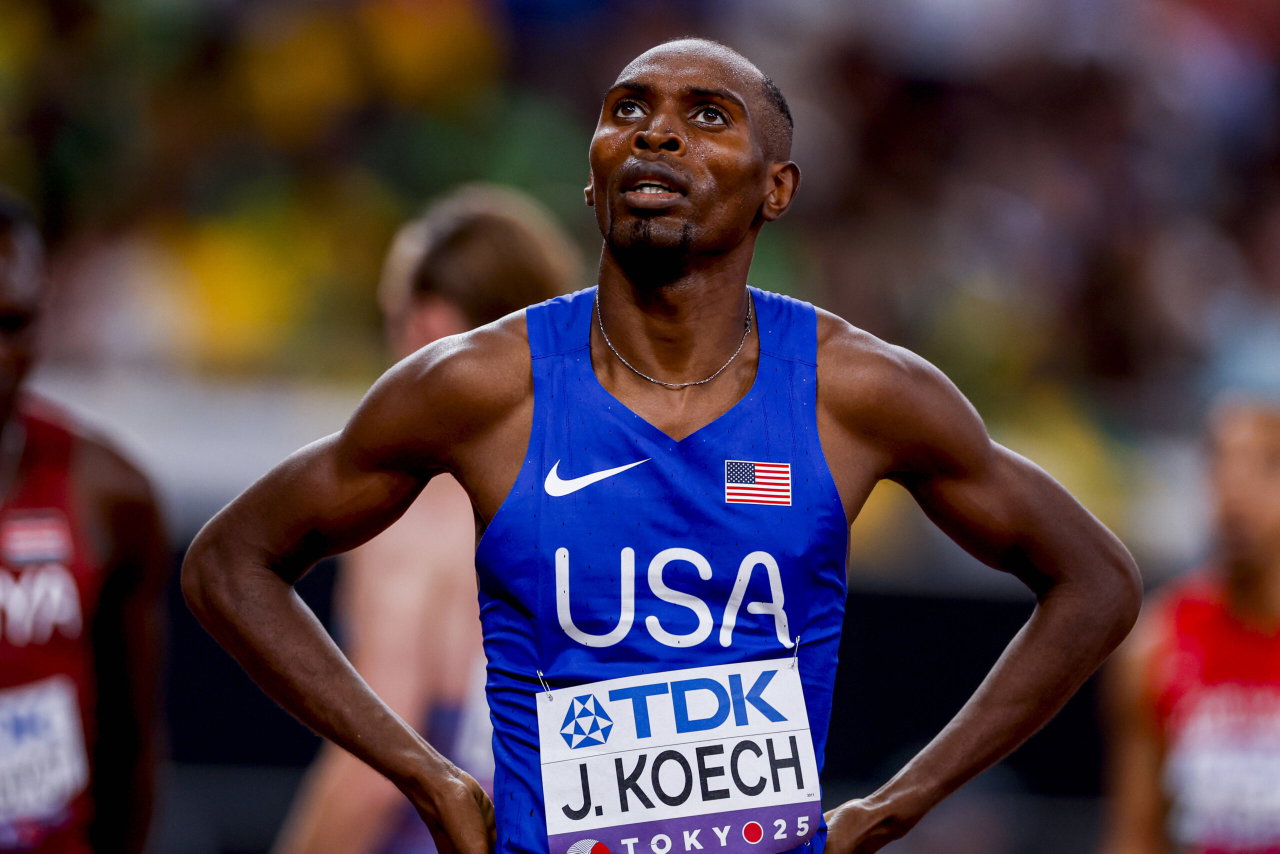
The U.S. Anti-Doping Agency has reduced former U.S. 1500m national champion Jonah Koech’s doping ban from four years to three after he signed a sanction acceptance form. USADA explained that athletes are not required to provide details of alleged use to qualify for the reduction.
Watch What’s Trending Now!
On August 14, LetsRun’s Jonathan Gault reported on X that USADA confirmed the process: “In order to receive a reduction in sentence, an athlete must sign an acceptance/admission form, but the athlete is not required to detail the specifics of their use.”
As per USADA’s explanation, “Under Article 10.8.1 of the Code, an athlete who faces an anti-doping rule violation that carries a period of ineligibility of four or more years may receive a one-year sanction reduction if the athlete admits the violation and accepts the asserted sanction within 20 days of notification of the alleged anti-doping rule violation charge. Per the rule, Koech qualified for a one-year reduction to the otherwise applicable four-year period of ineligibility.”
Imago
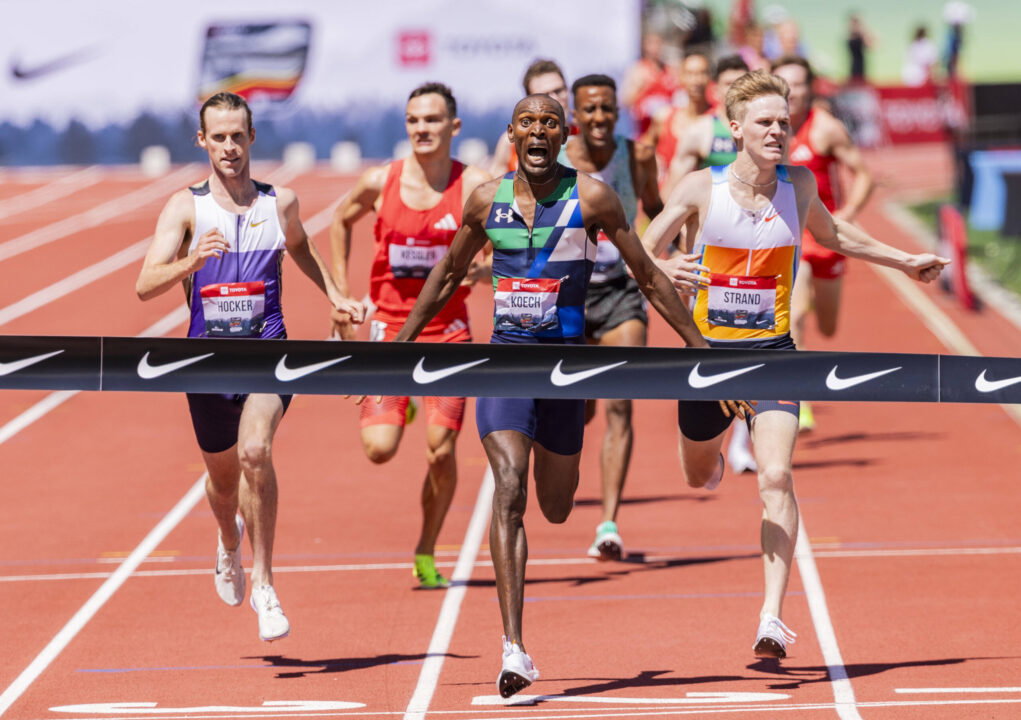
August 02 2025 Eugene, OR U.S.A. Mens 1500 meter athletes Jonah Koech beat out Cole Hocker and Nathan Strand for the 1500 meter final during the USATF Outdoor Track and Field Championship Day 3 at Hayward Field Eugene OR / CSM Eugene USA – ZUMAc04_ 20250802_zma_c04_280 Copyright: xThurmanxJamesx
Koech’s ban stemmed from abnormalities in his Athlete Biological Passport, flagged by blood tests on July 30 and August 8, 2025. An expert panel ruled the values consistent with blood doping, leading to an Adverse Passport Finding. Koech accepted the violation, triggering the three‑year ineligibility period.
Yet Koech has publicly denied doping. Speaking to LetsRun, he said he “didn’t take anything” and argued his hemoglobin levels naturally fluctuate with altitude and training. He also cited supplements while disclosing to USADA.
Koech claimed he felt pressured during the process and lacked funds for a full legal defense, estimating it could cost $50,000. He further suggested a PRP injection from USATF might have influenced his blood values, though no public finding supports that explanation.
Ruth Chepngetich’s Case Shows How the One-Year Doping Reduction Works
Kenyan marathoner Ruth Chepngetich’s case illustrates how the one‑year reduction rule works differently. She tested positive for hydrochlorothiazide in March 2025. Initially denying knowledge, she later said she had taken her housemaid’s medication without checking its contents.
The Athletics Integrity Unit rejected her explanation and imposed a four‑year ban. But because she accepted the violation within the 20‑day window, her sanction was reduced to three years.
Unlike Koech, Chepngetich provided a public explanation of how the substance entered her body. Her case shows the rule applies regardless of whether investigators accept the athlete’s account—acceptance alone triggers the reduction.
The one‑year reduction rule is designed to encourage athletes to resolve cases quickly, saving time and resources for anti‑doping agencies. By signing the acceptance form, athletes shorten proceedings even if they dispute the findings publicly.
Koech’s case highlights the tension this rule creates: it allows athletes to shorten their bans through early admission, even if they later dispute the findings publicly. For U.S. track and field, the situation raises broader questions about accountability and transparency in doping cases.