Imago
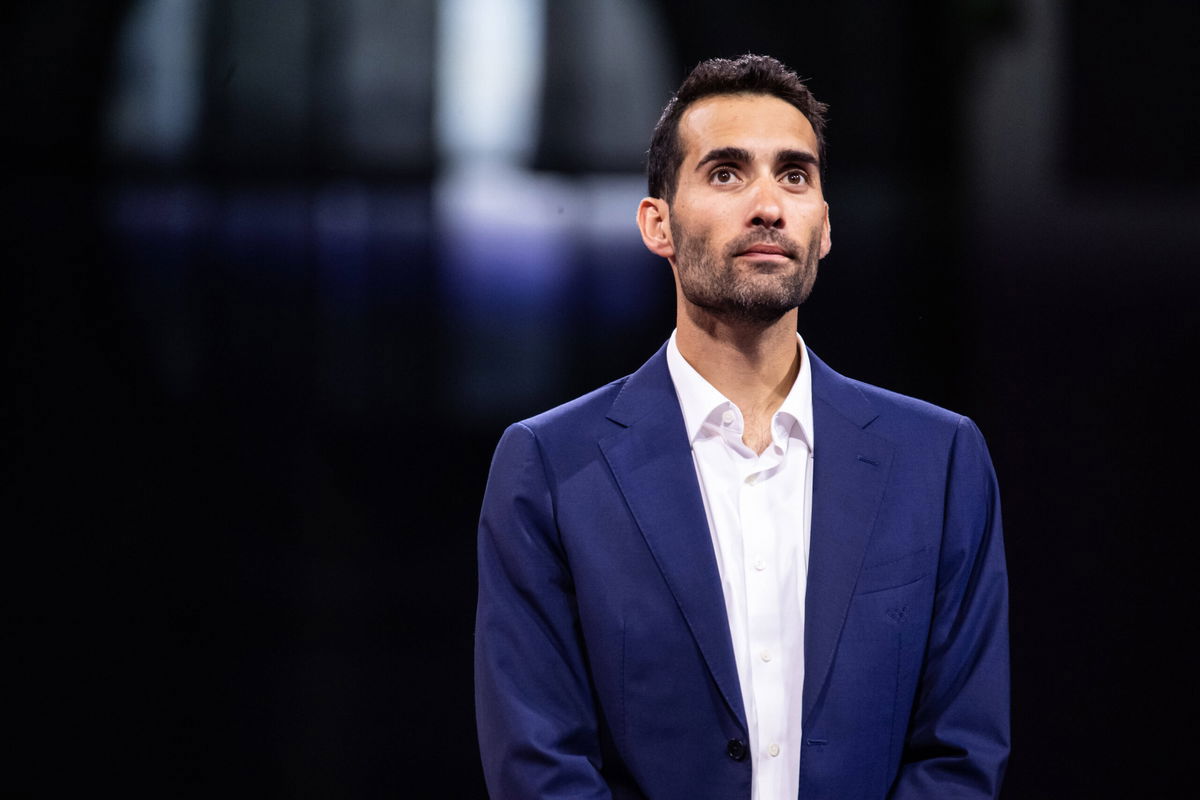
Martin Fourcade – Escrime – Fencing, podium Womens team Fencing event, during the Olympic Games, Olympische Spiele, Olympia, OS Paris 2024 JO 2024 : ESCRIME – Jeux Olympiques 2024 – Paris2024 – Paris – 03/08/2024 DPPI/Panoramic PUBLICATIONxNOTxINxFRAxBEL
Imago
Martin Fourcade – Escrime – Fencing, podium Womens team Fencing event, during the Olympic Games, Olympische Spiele, Olympia, OS Paris 2024 JO 2024 : ESCRIME – Jeux Olympiques 2024 – Paris2024 – Paris – 03/08/2024 DPPI/Panoramic PUBLICATIONxNOTxINxFRAxBEL
In the next three days, we’ll see our favorite athletes in action at the 2026 Winter Olympics. But behind all the hype, organizers are under immense pressure. Construction is yet to be completed, climate concerns remain, and more issues continue to pile up. And to make things worse, a six-time Olympic champion has raised an issue that could be the greatest one of all.


Retired French biathlete Martin Fourcade, who is now an influential member of the IOC, criticized the way the Winter Games are being spread across cities. As for the first time in history, the Olympics are being hosted in two different cities: Milan and Cortina d’Ampezzo, located approximately five hours apart.
Watch What’s Trending Now!
Although the shift was meant to cost less and be more environmentally friendly by using primarily existing facilities but Fourcade says it comes at a price for athletes.
“The celebration is no longer the same when you participate in the Olympic Games at highly fragmented competition venues,” Fourcade said. “I am convinced that there is a middle ground to be found between these very fragmented Games and Games where everything is built from scratch, as may have been the case in certain eras.”
The IOC and organisers say the approach is pragmatic and sustainable. Eleven of the 13 competition venues are existing or temporary structures, and two new venues were only constructed, said Andrea Varnier, chief executive of the Milan Cortina organizing committee. Even Italy intends to take advantage of the new venues after the Games to cut down on costs.
Imago
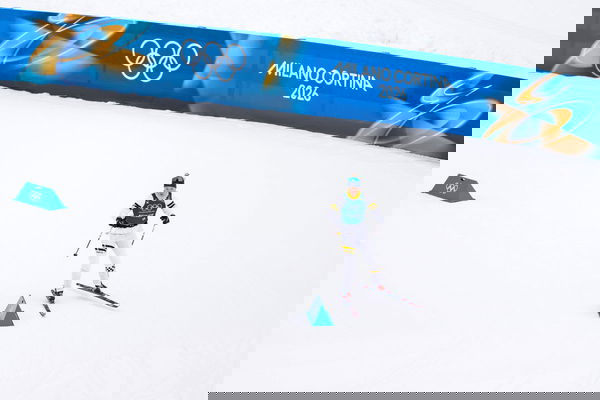
260202 Jonna Sundling at a Cross-Country Skiing training session during day -4 of the 2026 Winter Olympics on February 2, 2026 in Tesero. Photo: Mathias Bergeld / BILDBYRAN / kod MB / MB1291 skidor cross-country skiing langrenn Olympic Games, Olympische Spiele, Olympia, OS olympics winter olympics os ol olympiska spel vinter-os olympiske leker milano cortina 2026 milan cortina 2026 milano cortina 2026 olympic games milano cortina 2026 winter olympic games milano cortina-os milano cortina-ol vinter-ol -4 bbeng träning *** 260202 Jonna Sundling at a Cross Country Skiing training session during day 4 of the 2026 Winter Olympics on February 2, 2026 in Tesero Photo Mathias Bergeld BILDBYRAN code MB MB1291 ski cross country skiing cross country olympic games olympics winter olympics os ol olympiska spel vinter os olympiske leker milano cortina 2026 milan cortina 2026 milano cortina 2026 olympic games milano cortina 2026 winter olympic games milano cortina os milano cortina ol winter ol 4 bbeng träning PUBLICATIONxNOTxINxSWExNORxFINxDEN Copyright: MATHIASxBERGELD BB260202MB007
Still, the distance between venues creates major challenges. In total, 25 competition venues are being used across northern Italy: 19 existing venues, 2 newly built ones, and 4 temporary sites – it’s the most expansive Olympics yet. And because of this, athletes, coaches, and staff will face long commutes, complex schedules, and logistical stress.
Looking ahead, the same issue could affect the 2030 Winter Olympics in the French Alps, where sites are also planned over hundreds of kilometers. As Martin Fourcade says: “Milan-Cortina Games and with those in the French Alps in 2030, we have pushed the bar to its maximum of what we can consider.”
Even IOC President Kirsty Coventry said, “Little bit more dispersed because that’s more sustainable.’…but it has added additional complexities in the delivery of the Games.”
While sustainability is important, Martin Fourcade worries that the Games might lose the energy and magic that comes from having athletes and fans all together in one central Olympic hub – a concern that’s already becoming visible in the lead up to the event.
Construction delays add to the strain of the Winter Olympics
In Cortina d’Ampezzo, challenges are piling up, with construction still visibly unfinished as of 2 February, just days before the curling tournament starts on Wednesday and the first women’s downhill training is scheduled for Thursday. And this is only the beginning of the hurdles…
Also, a new gondola cable car that was supposed to transport spectators to the town for the women’s alpine skiing events will not be ready in time. So, now organizers are scrambling to find other options.
Meanwhile, in Milan, there have been last minute delays to the Santagiulia Ice Hockey Arena, parts of which remain unfinished only days before the inauguration.
The executive director of the Olympic Games of the IOC, Christophe Dubi, has reassured that all the program, including the Thursday opening female ice hockey game between Italy and France will still go ahead, despite the lingering question marks.
Regardless of all this, IOC President Kirsty Coventry is optimistic, but her words indicate the balancing act that organizers are forced to take on.
“It has been a long journey sometimes a bit bumpy, like every Olympic journey but it is truly wonderful to be here in Italy,” Coventry said. But with the countdown underway, the next challenge is to maintain the Olympic spirit in two different cities, albeit a distance apart.