NHRA Reportedly Taking A Page From NASCAR $7.7 Billion Deal Amidst Impending Media Deal

Add us on Google
NHRA Reportedly Taking A Page From NASCAR $7.7 Billion Deal Amidst Impending Media Deal
Add us on Google
Imago
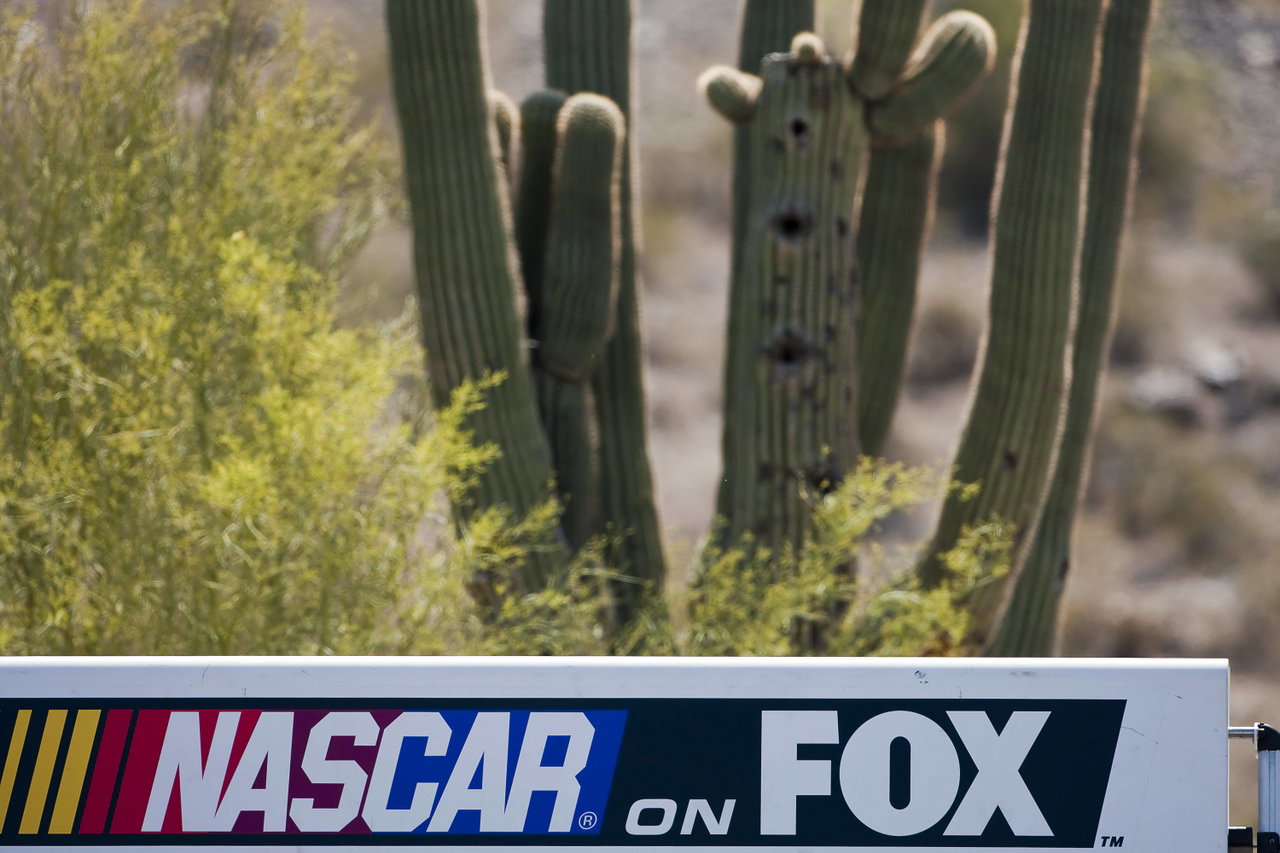
NASCAR, Motorsport, USA 17 Apr Sprint Cup Series Subway Fresh Fit 500 April 17 2009 NASCAR Subway Fresh Fit 500 Avondale, NC – Fox Sports will aire the Subway Fresh Fit 500 at the Phoenix International Raceway in Avondale, AZ.Credit Image: ASP/Cal Media Avondale AZ United States EDITORIAL USE ONLY Copyright: xx D9PHXS WalterxGxArcex csmphoto229448
Imago
NASCAR, Motorsport, USA 17 Apr Sprint Cup Series Subway Fresh Fit 500 April 17 2009 NASCAR Subway Fresh Fit 500 Avondale, NC – Fox Sports will aire the Subway Fresh Fit 500 at the Phoenix International Raceway in Avondale, AZ.Credit Image: ASP/Cal Media Avondale AZ United States EDITORIAL USE ONLY Copyright: xx D9PHXS WalterxGxArcex csmphoto229448
NHRA fans may soon have to take time out to hunt for the channel guide. The sport appears to be in a healthy place, drawing strong viewership. To capitalize on that, it is in advanced negotiations to bring new broadcasters on board alongside Fox Sports, which currently broadcasts the series. This landmark move for the world’s largest drag racing sanctioning body could see it follow in the footsteps of what NASCAR itself did in 2026.
Watch What’s Trending Now!
NASCAR decided in 2023 to split its broadcast rights among multiple partners in a reported $7.7 billion deal from 2025-2031. While the figures are expected to be significantly smaller for the NHRA, it too is set to bring The CW and FloSports on board alongside Fox Sports for its coverage beginning with the 2027 season, as first reported by the Sports Business Journal.
Fox has exclusively held the rights to broadcast NHRA races since 2016, and the sport has recently seen a steady rise in its audience. According to SBJ, NHRA averaged nearly 600,000 viewers across Fox and Fox Sports 1 in 2026. It’s a 17% increase, and reportedly more than what the NHL had for the 2025-26 season. Also, the final rounds of the Texas FallNationals attracted an average of 2.06 million viewers, making it the most-watched telecast in NHRA history.
Now, the NHRA wants to follow NASCAR’s blueprint to maximize the value of its media rights. NASCAR split its 38-race schedule among four broadcast partners in 2026, with Fox Sports airing the opening 14 races, followed by Prime Video for five, TNT Sports for five, and NBC carrying the final 14 races, including the entirety of The Chase, which is set to begin after four more races. CW, meanwhile, alone, has been broadcasting the O’Reilly Auto Parts Series.
For NASCAR, it was a huge financial boost. It eliminated the possibility of a single network buying all 38 races, forcing multiple broadcasters to pay for different portions of the schedule. The good news for the teams? The $7.7 billion deal significantly increased the baseline media payouts distributed directly to chartered teams through the charter system.
NHRA teams could also benefit from a similar agreement. However, while NASCAR’s media rights deal has been highly lucrative, it hasn’t come without drawbacks. Several races reported lower audiences in 2026, and earlier this year, Braylon Breeze of RaceDay Report noted that the Bristol race averaged fewer than two million viewers for the first time ever without a delay.
NASCAR maximized its media rights revenue by splitting its broadcast package among more partners, but in doing so, it reduced exposure by moving more races away from free-to-air broadcast television and onto cable and streaming platforms.
NASCAR veterans sound alarm on viewership numbers amidst huge media deal
Those involved with the sport for decades see a warning sign when others fail to see beyond the glitzy headlines. Former Cup Series driver Jeremy Mayfield, who had a 17-year career in the Cup Series, called the $7.7 billion deal a cover for an otherwise “sinking ship.”
“I just feel like it’s on a sinking ship and that nobody’s saying anything about filling holes up,” Mayfield said on FIVE WIDE Sports. “The viewership is not coming up any; it’s down. How’s the TV deal gonna be able to say, ‘okay, same with sponsors, we can still spend that seven billion dollars on what?”
NASCAR has reportedly experienced a 2.3% YoY decline in total average audience across the first 25 races of the 2026 season. And the TV deal has had a role to play in that.
Watching and enjoying NASCAR is no longer just about having cable TV. It now requires subscribing to multiple platforms, which could cost the sport’s hard-working fans more than $100 a month. For die-hard fans who can afford it, that may not be a major issue. But casual viewers are far less likely to subscribe to multiple channels and streaming services, let alone continue paying that much for something they once enjoyed at a fraction of the cost.
For the NHRA, if a larger media rights deal means bigger payouts for teams and a healthier series, it’s hard to argue against it. But NASCAR’s experience shows that there can be a huge gamble.
More broadcast partners often means more money upfront, but it can also make the sport harder to follow. The NHRA appears to be betting that the extra revenue will outweigh those risks.
