
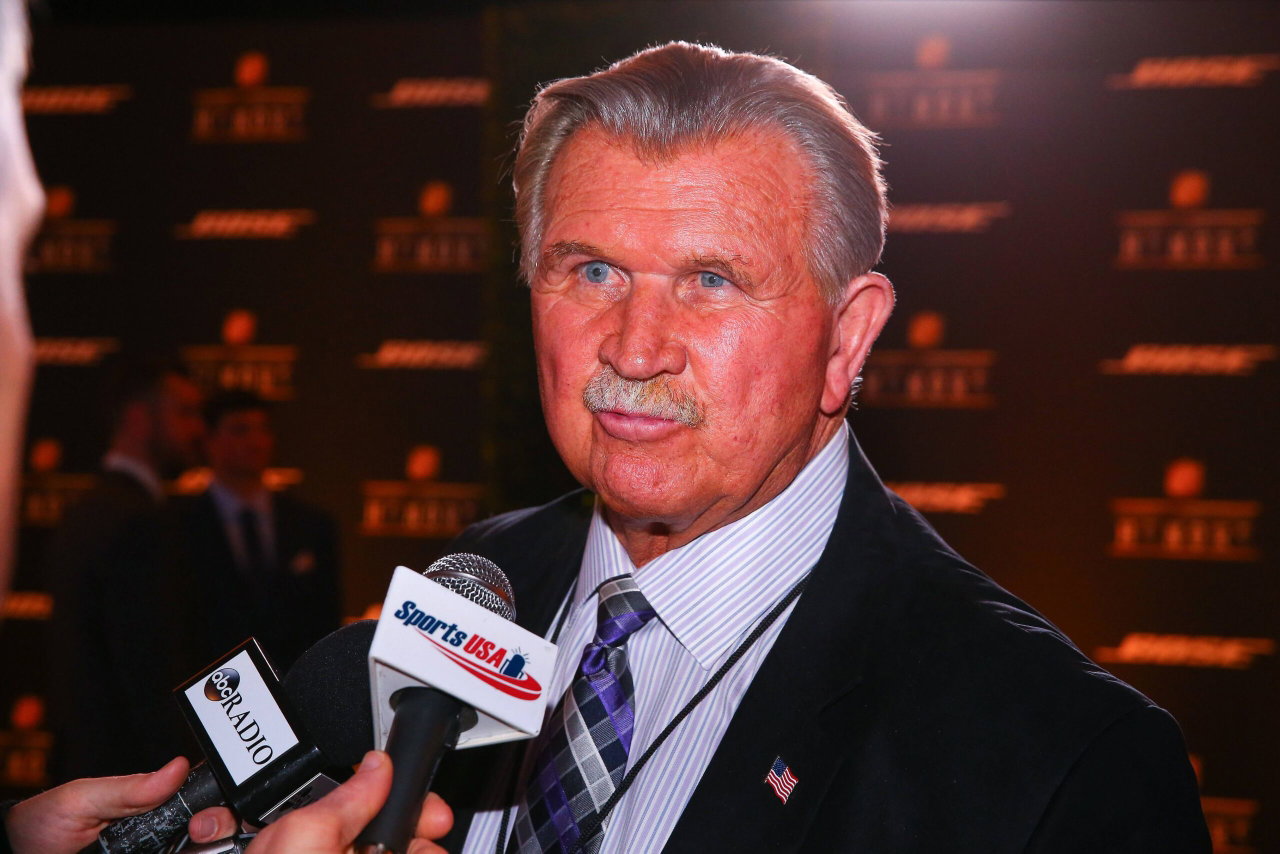
Mike Ditka will always be remembered for his legendary playing career, success as a coach, and impact on the NFL. However, beyond his accomplishments on the field, Ditka also made a difference in the lives of people who needed help, especially the families of retired NFL players. His work with former players and their families reflected a side of the Hall of Famer that often received less attention than his football achievements.
Watch What’s Trending Now!
Ditka died at 86, but his impact beyond the field has come back into focus. It came through a heartfelt tribute from Garrett Webster, son of Pittsburgh Steelers legend Mike Webster, whose struggles after football became central to the conversation around CTE. Garrett revealed how Ditka stepped up when his family was going through a difficult period.
“Coach and @Gridiron_Greats helped get my sister in rehab, saved our family from eviction, and gave us hope and friends when we had none. Mike Ditka was an absolutely legendary man. I hope he is having a beer with dad up there. #ditka,” Garrett wrote on X.
Ditka’s support for Webster’s family came against the backdrop of the difficult years Webster experienced after retiring from the NFL. The former Steelers center spent 17 seasons in the league and became one of the most accomplished players at his position. He won four Super Bowls with Pittsburgh before entering the Pro Football Hall of Fame in 1997.
However, his life after football was marked by financial problems and declining health. ESPN reported in 2005 that Webster struggled with depression and failed business ventures, at times living in his truck. He and Garrett were also evicted from an apartment after missing rent payments when Webster’s disability benefits were seized by the IRS.
Webster died on September 24, 2002, at 50. His case later became central to the growing discussion around chronic traumatic encephalopathy (CTE), a degenerative brain disease associated with repeated head impacts.
Neuropathologist Bennet Omalu identified CTE in Webster’s brain, with the findings published in 2005. The case helped bring greater attention to the long-term consequences of head trauma in football and the challenges some former players faced after leaving the game.
That said, Mike Ditka’s efforts toward the Webster family also reflect his commitment to helping people who had struggled after their football careers. In 2007, the former Chicago Bears head coach joined Green Bay Packers legend Jerry Kramer and other former players in launching fundraising efforts for the Gridiron Greats Assistance Fund.
The initiative aimed to support retired NFL players struggling financially and lacking adequate retirement or disability benefits. Ditka later became chairman of the Gridiron Greats Assistance Fund in 2008 and helped expand its programs and services.
The nonprofit provides financial grants and medical assistance to retired players in need, with services including housing assistance, help with utility bills, medication, transportation, and medical treatment. The organization also assists players and their families in dealing with hardships after football.
While it’s true that Garrett Webster hasn’t specified whether Ditka helped his family through the organization or personally, his comments certainly align with the broader work the former NFL head coach supported throughout his post-coaching career.