
Mike Ditka had seen his life come full circle in Chicago. The Bears drafted him with the fifth-overall pick in the 1961 NFL draft, and he established himself as one of the finest tight ends in the league. Years later, he would return to the same franchise, but this time, in a different role.
Watch What’s Trending Now!
Ditka took over as Chicago’s head coach in 1982, and three years later, he had built a team that would become part of NFL folklore. He led the Bears to their first and only Super Bowl championship, a unit with the greatest defense in league history.
Now, the football world is mourning the loss of one of its most recognizable figures, as Mike Ditka has died at the age of 86, his family announced Friday.
“It is with profound sadness that we announce the passing of our beloved husband, father, grandfather, and friend, Mike Ditka,” the family statement read. “While the world knew Mike as a Hall of Fame football player, legendary coach, and leader of the Chicago Bears’ Super Bowl XX championship team, we knew him as the heart of our family. Mike will be missed beyond measure and remembered forever.”
At the same time, the cause of Ditka’s death remains unannounced.
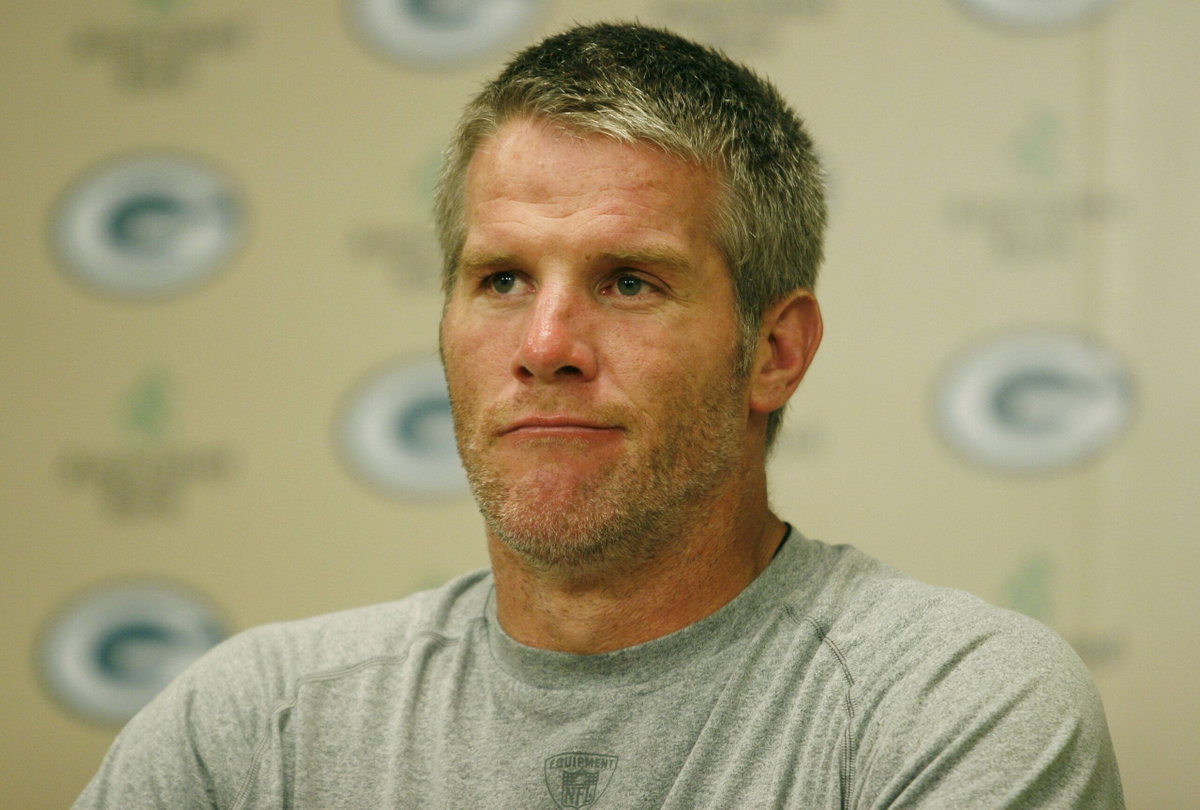
After the news of his death broke, tributes started to pour in as former Green Bay Packers quarterback Brett Favre wrote:
“My condolences to the Ditka family and to all Bear fans on the passing of Coach Mike Ditka. It was truly an honor to play against you and your teams. Now rest in peace and God Bless you Coach.”
“Rest in Peace Legend,” JJ Watt also wrote on X.
Meanwhile, NFL Commissioner Roger Goodell also paid tribute to the NFL legend, writing, “Mike Ditka epitomized football over so many years. He brought intensity, authenticity, and an unmistakable personality to everything he did. Mike was a champion for taking care of those who helped build our game. We extend our deepest condolences to Diana and the Ditka family.”
Ditka’s impact on football began long before he became a football coach. In his rookie season in 1961, he caught 56 passes for 1,076 yards and 12 touchdowns, becoming the first tight end in NFL history to surpass the 1000-yard mark in a season.
He earned the Rookie of the Year honors and made the Pro Bowl in each of his first five seasons. In the stretch, he established himself as a legitimate receiving threat rather than primarily a blocking option.
After spending six seasons with the Bears, Ditka joined the Philadelphia Eagles, where he spent two seasons before moving to the Dallas Cowboys. With Dallas, he won Super Bowl VI after the 1971 season, scoring a touchdown in the 24-3 victory over Miami.
While he retired following the 1972 season, he remained with the Cowboys as an assistant coach, winning another Super Bowl title with the team in 1977.
When Ditka returned to Chicago as head coach in 1982, the Bears were coming off three consecutive losing seasons. He helped turn the franchise into a championship contender, culminating in the legendary 1985 campaign. Chicago finished the regular season 15-1, then defeated the New England Patriots 46-10 in Super Bowl XX.
The championship also placed Ditka in a rare category. He remains one of only two people, alongside Tom Flores, to win a Super Bowl as a player, an assistant coach and a head coach. Ditka was inducted into the Pro Football Hall of Fame in 1988, becoming the first tight end to receive that honor. After his death, the Bears released a statement, writing:
“Mike’s impact on the Chicago Bears organization, over decades as a player, coach, and proud icon and ambassador for our organization, is immeasurable. His integral role in bringing world championships to our city and our franchise, both as a player and as our coach, established prominence and excellence at a world-class level, but also created a lifetime of cherished memories in the hearts and minds of Bears fans that will last for generations.
“We extend our love, prayers, and heartfelt condolences to the Ditka family, and join all Bears fans in deep sadness and reverence as we remember and honor Mike Ditka.”
Ditka’s career was not without its difficult chapters. The Bears dismissed him after the 1992 season, and he later returned to coaching with the New Orleans Saints from 1997 through 1999. New Orleans struggled during his tenure, finishing 3-13 in his final season. He finished his head coaching career with 121 regular-season wins. The Bears, meanwhile, retired his jersey No. 89 in 2013.