
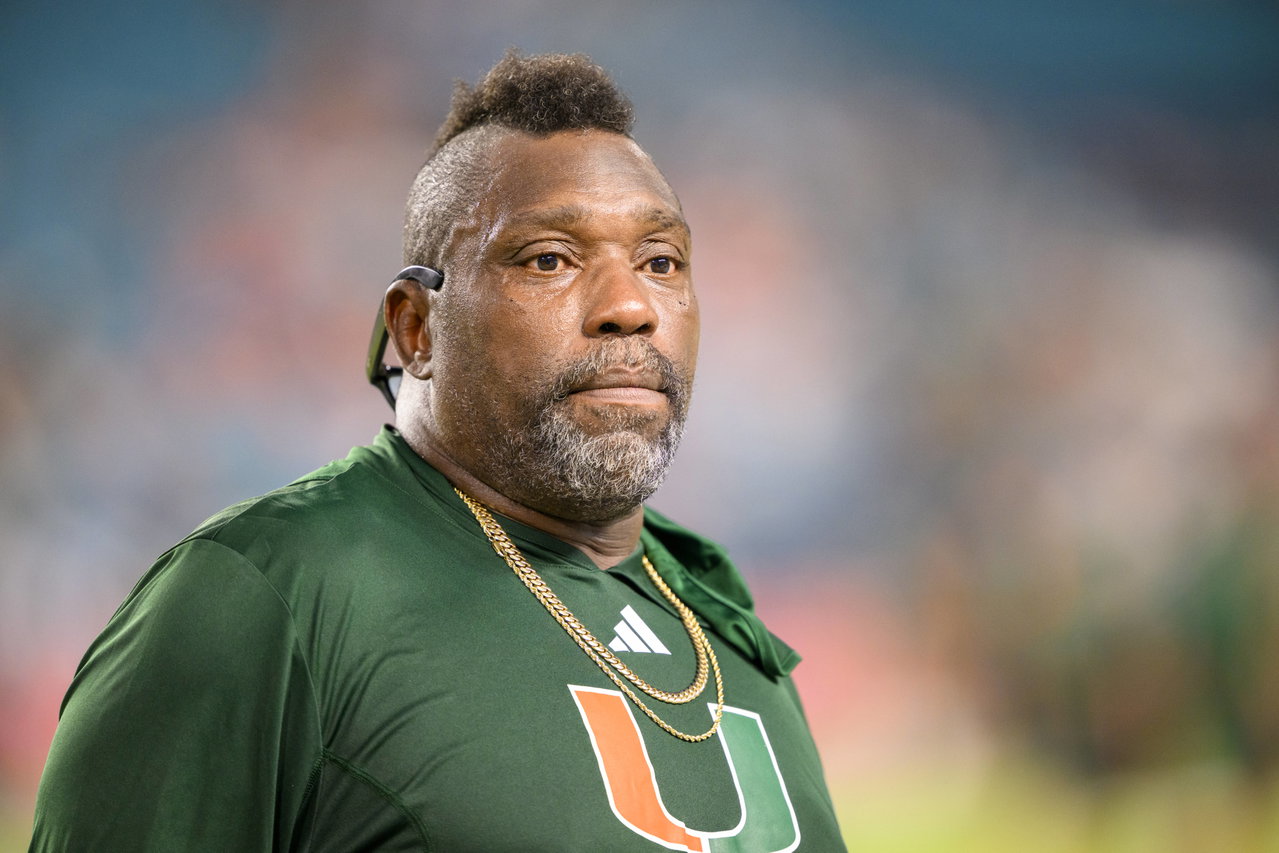
Warren Sapp has never been shy about speaking up when it comes to the risks football players face long after their playing careers end. The Pro Football Hall of Famer has previously discussed his own memory problems and even pledged to donate his brain for research into chronic traumatic encephalopathy (CTE). Now, a new study has given him another reason to demand action from the NFL.
Watch What’s Trending Now!
Researchers at Boston University estimate that 74.5% of former NFL players who died between 2008 and 2023 had CTE neuropathology. Reacting to the findings in a podcast clip shared by the Concussion & CTE Foundation, Sapp called on the league and the wider football community to protect former players without losing sight of what makes the sport special.
Sapp’s call balanced two priorities: protecting former players while preserving football’s core identity, as he said, “75 gives us a number that we can work from, and that’s not a good number at all. We’re talking about three-fourths. Three-fourths? Let’s take care of the men and let’s take care of the game because it’s a beautiful game.”
The former Tampa Bay Buccaneers defensive tackle acknowledged that physical contact is part of football. However, he believes the sport can preserve that element while doing more to protect the people who play it.
“There’s nothing wrong with the game. There’s nothing wrong with a little hitting, nothing wrong with a little combat, nothing wrong with 60 minutes of some down-and-dirty four quarters. I’m with that, but let’s make it safer, and then when we get to studies, let’s implement change,” he added.
Sapp also urged the NFL community to take research seriously and use its findings to make progress against the disease. “We can attack CTE. We can end CTE,” he said.
Published in JAMA Network Open on October 28, the Boston University-led study looked at 2,362 former NFL players who died between 2008 and 2023. Researchers found CTE in 362 of the 387 donated brains they examined, or about 94%. They then adjusted the figure to account for selection bias before estimating how common the disease was across the full group.
The researchers found that former players with cognitive symptoms were about five times more likely to have their brains donated than those without symptoms. After accounting for that gap, they estimated that 74.5% of the players had CTE.
That does not mean three-quarters of living former NFL players have the disease. The estimate covers deceased players from the study period. CTE can also only be confirmed through a brain examination after death.
The findings hit close to home for Sapp. In 2017, he pledged to donate his brain to the Concussion Legacy Foundation after speaking about memory problems that were affecting his daily life. He said he had started relying on his phone to keep track of appointments and other responsibilities.
His latest message also reflects the need to turn research into practical changes. Sapp called on the football community to support further studies and find ways to address the disease.
“We are the keys to the gate. We are the keys to the lock,” he said. “Let’s go in, get to studies, put it out there, and let’s find a way to end this horrible, horrible disease.”
For Sapp, protecting football’s future should go hand in hand with looking after the players who helped build it.