
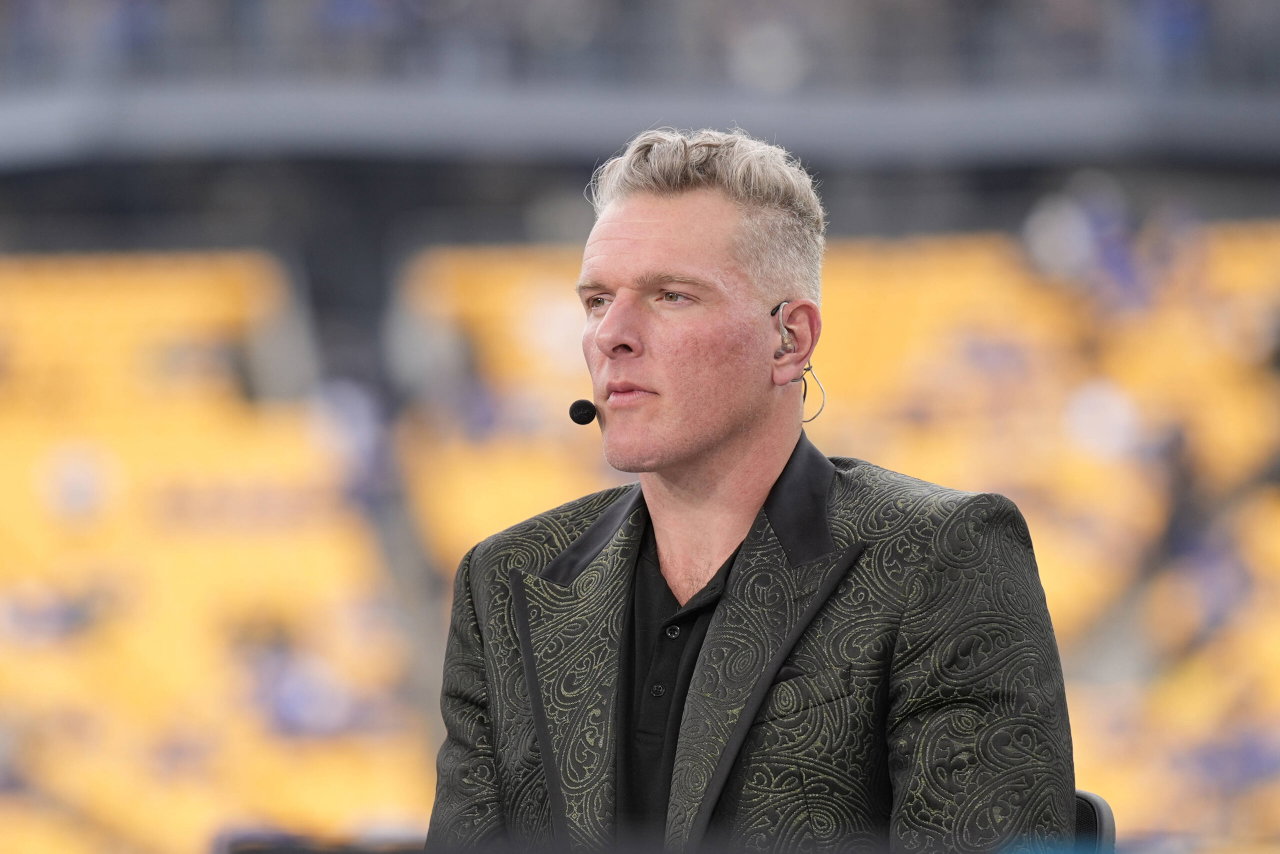
When NFL Commissioner Roger Goodell walked into the Indianapolis Colts locker room during the labor standoff in 2010, the mood was less like a business meeting and more like the build-up to a showdown. Former Colts punter Pat McAfee recently looked back on that moment, revealing his account of a locker room bursting with frustration and a commissioner who refused to blink.
Watch What’s Trending Now!
Recalling the moment, Pat McAfee said on the Rushmore Podcast,
“Jeff Saturday, he’s like, ‘Hey, the commissioner’s coming in here tomorrow. Have your questions ready, okay? He’s coming in to answer all the questions about the lockout and all this type of stuff.’…And I don’t know what the other teams were like, but ours was a very veteran team, and I was a very young player. That team has been around a long time. These [ __ ] knew like the ins and outs of it. And the night before there was like a war-type feel coming from the young guys to the old guys.
“So this guy was walking into the meeting. I was pumped, you know. I’m like, ‘F— yeah. This is going to be good entertainment.’ No. I didn’t want to beat the commissioner. I’m about to watch. I’m like, sit there and watch the commissioner get grilled.”
According to McAfee, the atmosphere ahead of Goodell’s arrival was tense, almost like preparing for a battle. Veteran players were ready to challenge the commissioner with questions about insurance and the labor terms that threatened to freeze the league.
What McAfee saw was a commissioner who stayed composed under real pressure. The questions were heated and deeply personal, touching on issues that directly affected players and their families. Goodell handled them with professionalism and never lost control of the room.
As the temper rose, the situation was managed by Jeff Saturday, a former center and the team’s leader. Saturday stepped in to maintain peace, encouraging teammates to stay professional and treat the commissioner with respect. His intervention reminded everyone that the aim was to be heard, not to turn the meeting into a free-for-all.
“Jeff Saturday. No. So he actually spoke up in that eventually because it got so bad. He finally said, ‘Hey, hey, hold on a second here. Goodell’s a commissioner there. This is the owner’s.’ And he said, “You get a chance to. He’s here. He’s standing and taking your questions. Let’s take it easy. And he pulled it back a little bit,” McAfee added.
Goodell himself confirmed that he visited every team that year. He noted that the meetings became a sign of how seriously both sides treated the exchange. Still, he stressed that he believed in facing players directly, since it gave him the chance to provide clarity rather than let rumors and second-hand information shape the narrative.
For context, the standoff began when the NFL owners unanimously voted to opt out of the collective bargaining agreement following the 2010 season, leading up to the league’s first work stoppage since 1987. Most owners, at that time, wanted a deal that would account for the high-risk investments they’d made on new stadiums and other capital expenditures.
Labor disputes are usually discussed in terms of legal filings and negotiating tables, but McAfee’s recollection showed how they played out in locker rooms, where players with real concerns about health and jobs came face to face with the man at the center of the problem.
As one player put it at the time, “They’re taking risks? We’re the ones risking our health on a regular basis – we all know there’s a 100 percent injury rate in the NFL. Give me a break.”
The labor standoff, which began in 2010, ultimately escalated into a 132-day lockout in 2011, finally ending on July 25, 2011. After the owners opted out of the previous agreement in 2008 (signed in 2006), the CBA deal officially expired in March 2011 when a one-week negotiation extension failed to result in a new agreement.
Under the new CBA deal, several changes were introduced and agreed upon, including:
- Players agreed to receive roughly 47% to 48% of all league revenue, a drop from the roughly 60% they received under the previous deal.
- The new agreement implemented a strict rookie wage scale, capping salaries for incoming players to avoid massive contracts for rookie players.
- NFL owners dropped their demand to expand the regular season from 16 to 18 games, keeping the 16-game schedule intact.
- Unrestricted free agency was set at four years of accrued NFL service.
- The new CBA deal implemented strict limits on the amount of contact allowed during offseason workouts and padded practices for better player health.
An agreement wouldn’t have been possible if it weren’t for Saturday’s calming presence and Goodell’s steadiness that kept the moment from boiling over. Reportedly, New England Patriots owner Robert Kraft also stepped in to ensure that there was a personal trust established for the final terms to come into agreement.