Imago
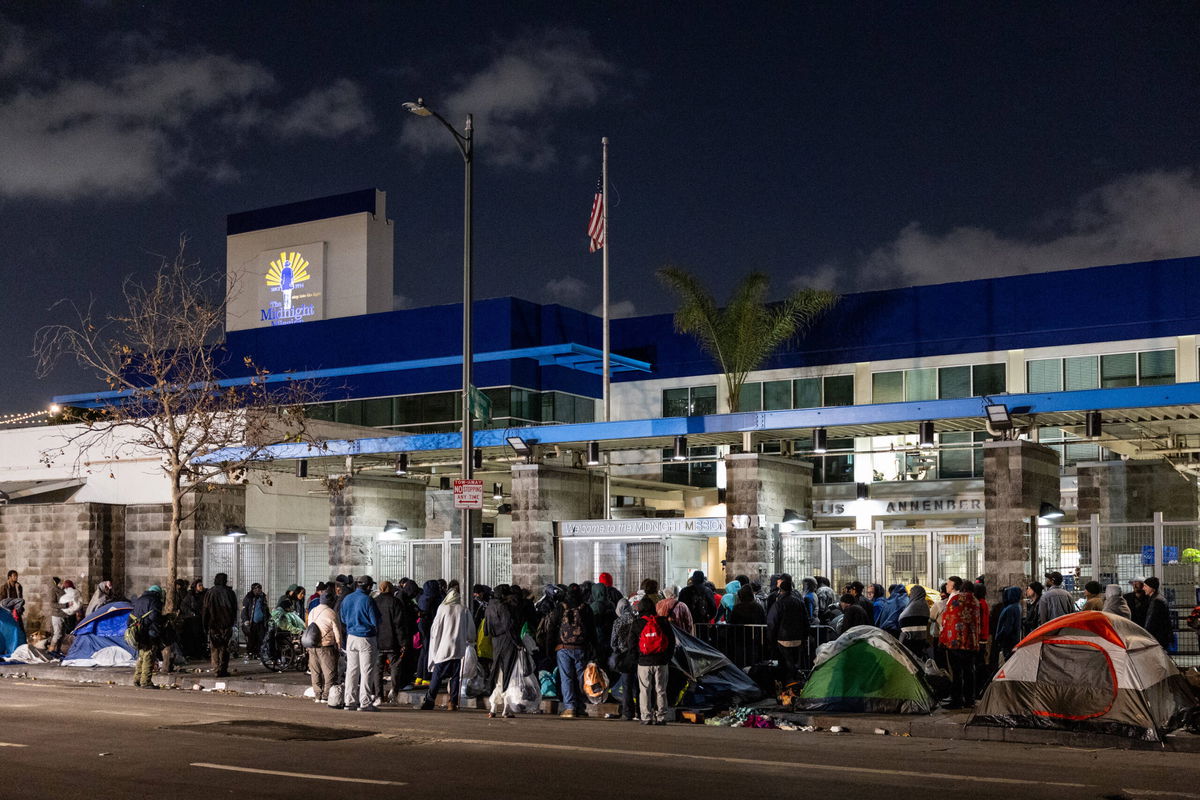
LOS ANGELES, CA – FEBRUARY 19: The area outside the emergency shelter for the homeless is overcrowded on February 19, 2026 in Los Angeles, California. As an unseasonably cold winter grips much of the U.S., unsheltered people face life-threatening conditions that reveal a deeper crisis. PUBLICATIONxNOTxINxCHN Copyright: xVCGx 111622684125
Imago
LOS ANGELES, CA – FEBRUARY 19: The area outside the emergency shelter for the homeless is overcrowded on February 19, 2026 in Los Angeles, California. As an unseasonably cold winter grips much of the U.S., unsheltered people face life-threatening conditions that reveal a deeper crisis. PUBLICATIONxNOTxINxCHN Copyright: xVCGx 111622684125
In 2024, Pittsburgh city leaders pledged more than $600 million to revitalize downtown. Lt. Gov. Austin Davis framed it around specifics: reducing encampments, adding shelter beds, and cutting crime. The 2026 NFL Draft hadn’t been announced yet, but the administration’s priorities were already on record.


That draft now arrives on April 23, bringing an estimated 500,000 to 700,000 visitors to Pittsburgh’s downtown, North Shore, and South Shore. But for those living unsheltered in those areas, it means something else entirely. And ‘Our Street Collective’ co-founder and outreach coordinator, Sam Schmidt, has shed light on those issues Pittsburgh is set to face.
Watch What’s Trending Now!
“Displacement from Downtown, the North Shore and the South Shore means displacement from communities with food and safety support,” Schmidt said, per Stephana Ocneanu of the Pittsburgh Post-Gazette. “Pushing people further from these areas, especially downtown, makes surviving homelessness incredibly difficult.”
Imago
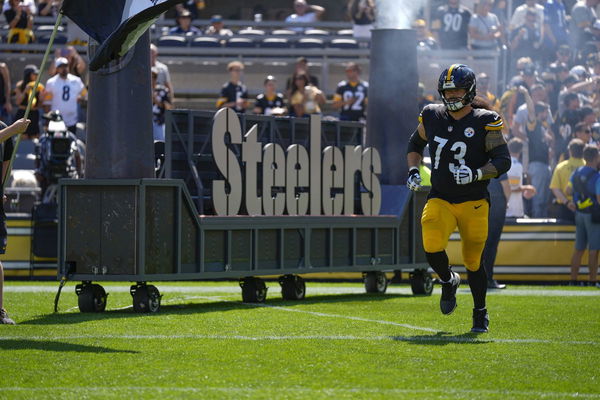
September 14, 2025, Pittsburgh, Pennsylvania, USA: September 14, 2025: Isaac Seumalo, 73, during the Pittsburgh Steelers vs Seattle Seahawks at Acrisure Stadium in Pittsburgh, PA. Brook Ward / Apparent Media Group Pittsburgh, USA – ZUMAa234 20250914_zsa_a234_063 Copyright: xAMGx
People surviving on Pittsburgh’s streets rely on spatially concentrated support: food distribution, outreach teams, shelter access, and more. But those resources exist in specific blocks, within walking distance of where people sleep. A three-day event that reshapes foot traffic and closes routes doesn’t pause those needs; it just cuts people off from them.
Detroit’s 2024 NFL Draft is the closest precedent. Service providers there noted that unsheltered individuals often went away themselves before the Draft. But it wasn’t because they were removed. Instead, it was because road closures and surging foot traffic made familiar routes impossible to navigate.
For the 2026 Draft, the Pittsburgh Steelers are “funding extra police patrol and supporting the homeless,” per Steelers EVP David Morehouse. But this revitalization agenda and the homelessness crisis are not two problems being handled in parallel. They are pulling against each other, and the organizers are just trying to implement fail-safes.
“When winter shelter closes on April 30, DHS will immediately resume operating a triage center space at Second Avenue Commons to provide people with a safe, temporary place to stay if other shelter resources are not available,” a DHS spokesperson confirmed.
But clearing encampments and relocating the homeless serves the half-million visitors, not the people who have been living in Downtown since November. While Pittsburgh officials try to figure out how best to tackle this, they are leaving no stone unturned to prep the city for the draft.
Pittsburgh’s polish Job for the Draft
With the draft mere weeks away, Pittsburgh is almost ready. Allegheny CleanWays has removed more than 400 tons of litter since the Immaculate Collection launched in September, with crews active across more than 50 neighborhoods. Allegheny Riverfront Park, currently under renovation, is scheduled for a power wash before the crowds arrive.
Downtown Pittsburgh’s Golden Triangle entered draft season with nearly 50 empty storefronts. The Pittsburgh Downtown Partnership launched a pop-up retail program offering rent subsidies of up to $2,000 monthly to get businesses into those spaces before April, with a long-term outlook.
“We’re not looking to just put businesses in that’ll do well for three days,” Cate Irvin, senior director of economic development, said back in January. “We want businesses that’ll do well for three to 30 years.”
The draft is projected to generate between $120 million and $213 million in economic impact for Pittsburgh. At those figures, the pressure to present a clean, commerce-ready city needs no mandate; it’s an automatic necessity.
Green Bay’s 2025 draft drew 362,588 unique attendees, generated $104.7 million in statewide economic impact, and 82% of attendees rated it an excellent host city. Green Bay’s friction was logistical: just a 12-gate airport, only about 5,000 hotel rooms citywide, and no parking infrastructure near Lambeau Field.
Pittsburgh’s problem is different. Green Bay hosted a draft in a city built around one stadium, in a neighborhood that regularly absorbs large football crowds. Pittsburgh is hosting one over a downtown still mid-reconstruction. Green Bay managed capacity, and Pittsburgh is managing people.
After the draft wraps up in three days, the economic numbers will be cited for years. The people displaced from downtown’s food networks will still need those networks when April ends.
Written by

Edited by

Pranav Venkatesh