
Josh Wallace has spent much of his Rams career waiting for the next assignment. An undrafted corner out of Michigan, he has moved between special teams and the secondary, rarely knowing exactly when Sean McVay would need him. Earlier this week, Wallace summed up that life simply: “You never know when your name’s called.”
Watch What’s Trending Now!
In Denver, his number was called with the Rams clinging to a late lead. Wallace got his hands on a Bo Nix pass with 1:09 left, and for a moment, the Rams appeared to have finally slammed the door on a game they had watched slip away from a 16-point lead. Instead, the whistle came. The interception disappeared from the stat sheet, and Denver’s final drive stayed alive. By Wednesday, McVay had learned something about that call that he apparently wasn’t supposed to share. The NFL seemed to agree with him on that because just a few days later:
“Today, the league sent a memo to teams reminding them that all conversations regarding officiating must remain confidential,” the NFL said in its communication on Friday, as per NFL Insider Ari Meirov’s X post.
The memo came days after McVay disclosed that the league had agreed with the Rams that a late defensive pass interference penalty against cornerback Josh Wallace should not have been called.
The controversial play came with just over a minute remaining on Sunday night. The Rams were leading 26-23 when Broncos quarterback Bo Nix threw toward Pat Bryant on third-and-6 from the Los Angeles 11-yard line.
Wallace came down with what appeared to be a game-sealing interception, but officials flagged him for defensive pass interference. The penalty erased the turnover and gave Denver a first down near the goal line. Six plays later, Nix scored on a 1-yard touchdown run, putting the Broncos ahead 30-26 with 47 seconds left.
Los Angeles eventually drove into Denver territory, but Matthew Stafford’s final pass intended for Davante Adams was intercepted.
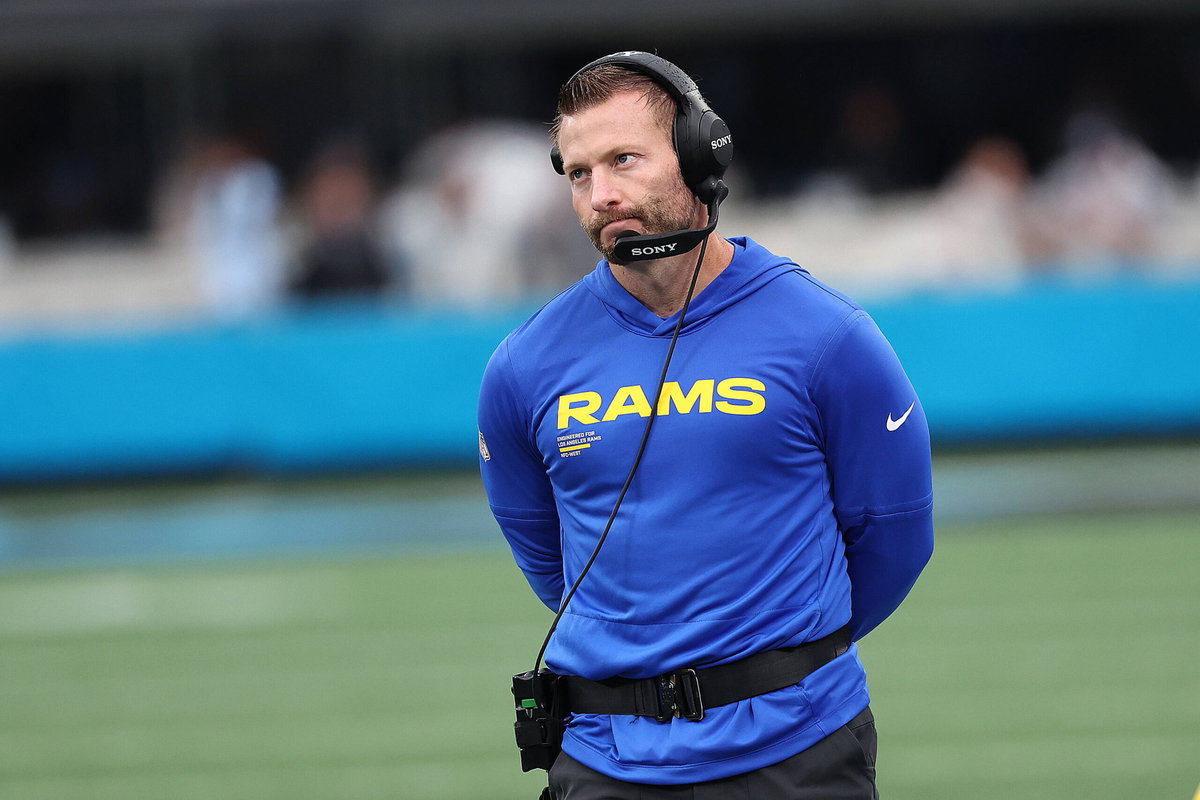
McVay had sent the play to the league for review after the game, something teams routinely do to receive feedback on officiating decisions. The Rams coach then revealed the response during his Wednesday news conference.
“They agreed with me,” McVay said.
When asked whether that meant the league believed Wallace should not have been called for defensive pass interference, McVay replied, “That’s correct.”
McVay insisted he was less concerned about whether the league admitted an officiating mistake than what the Rams could learn from the review.
“The goal is to just get good, consistent feedback,” McVay said. “The only thing that matters to me is how to educate our players.”
The NFL’s game operations manual explains why the comments became a problem. Teams can submit questions about officiating and replay decisions after games, with the league’s officiating department expected to provide its factual opinion on calls or non-calls.
But the same manual says those conversations are confidential and warns that league discipline may be imposed on club personnel who breach that confidentiality.
According to NFL Reporter for Front Office Sports Mark Maske, “The NFL’s game operations manual says, “All such conversations are confidential and are not to be discussed publicly and League discipline may be imposed on club personnel for breaching that confidentiality.””
It remains unclear whether McVay was permitted to discuss the conversation publicly. The NFL declined to comment, while the Rams did not immediately say whether the coach had received approval.
There is some precedent for coaches publicly discussing these reviews. Ravens coach John Harbaugh revealed last season that the league acknowledged an officiating error after Baltimore’s loss to Pittsburgh, though he said he had been permitted to make that information public.
The NFL has previously experimented with replay reviews for pass interference, allowing challenges on those calls during the 2019 season. The system was abandoned after one year, and judgment calls such as pass interference have remained largely outside replay review.
For the Rams, the loss remains on the record regardless of the league’s assessment. Los Angeles is now 1-2 and has to turn its attention toward Sunday’s matchup with the Philadelphia Eagles, while the NFL has made clear that future officiating conversations are expected to remain behind closed doors.