
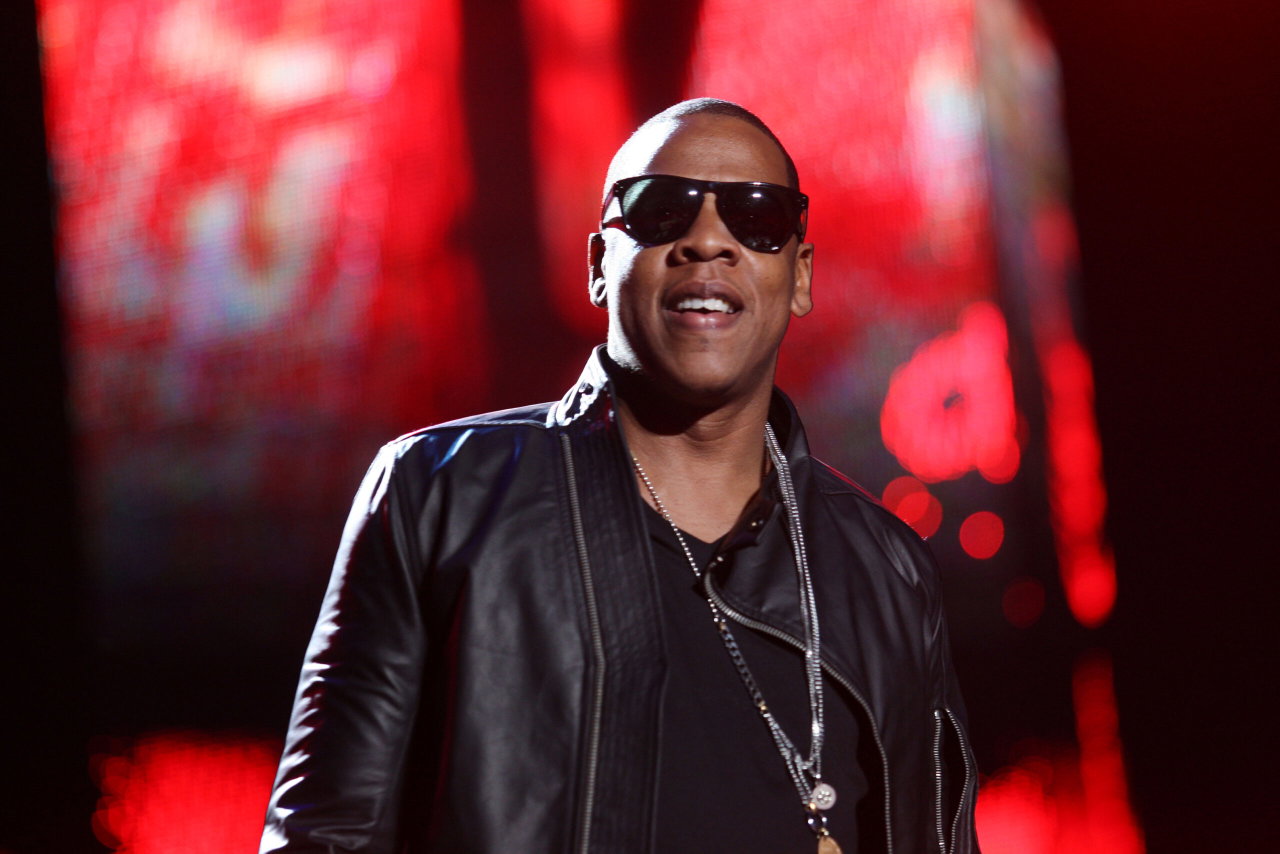
In January 2024, Jay-Z was asked whether he would ever headline the Super Bowl halftime show. By then, his Roc Nation partnership with the NFL had already helped bring Shakira and Jennifer Lopez, The Weeknd, Dr. Dre and Rihanna to the stage. Yet when the question turned to his own turn, Jay-Z hesitated. “I thought it would be selfish to pick myself too early,” he told Entertainment Tonight. “Maybe one year. Maybe.” It was a curious answer from a man who had reportedly turned down the opportunity seven years earlier.
Watch What’s Trending Now!
Since then, Jay Z’s Roc Nation has helped the NFL select its halftime performers for the stage he himself had turned down. It made his own absence all the more striking. And now, the person helping choose the headliner is choosing to become the headliner himself.
The announcement came during halftime of the Dallas Cowboys–Philadelphia Eagles game on Monday Night Football, with ESPN’s Adam Schefter also reporting the news. According to him:
“Jay-Z will be the headline performer for the Super Bowl halftime show at SoFi Stadium in Los Angeles on Valentines Day 2027.”
Apple Music accompanied the announcement with a black-and-white teaser showing Jay-Z surrounded by goats in an empty stadium. It ended with the message, “Goat’s Out Of The Bag,” playing on the familiar acronym for “Greatest of All Time.”
The choice has already raised questions about Jay-Z’s dual role in the show. His company helps shape the NFL’s halftime entertainment, and he is now taking the stage himself. CBS Sports described the move as Jay-Z choosing himself, while the NFL’s own announcement made clear that Commissioner Roger Goodell had wanted him to perform since their partnership began.
“When we first reached an agreement with Roc Nation to produce the show, I had just one request: that Jay-Z take the stage himself one day, whenever the moment felt right to him,” Goodell said.
In his own announcement, Jay-Z said, “From Reasonable Doubt to standing on the Super Bowl Halftime stage, this has been a journey..Thirty years of music, work, and culture on the world’s biggest stage. This run continues to be a dream come true.”
His earlier refusal, however, came under different circumstances.
In September 2017, The Los Angeles Times reported that Jay-Z had turned down a possible offer to perform at Super Bowl LII in February 2018. The NFL responded at the time that no performer decisions had been made, so the reported offer was never officially confirmed by the league. The refusal also came amid the controversy surrounding Colin Kaepernick’s national anthem protests and the NFL’s treatment of the former quarterback, although Jay-Z’s precise motivation for that reported decision was not established.
Jay-Z later offered a separate explanation for turning down a Super Bowl proposal. In a 2020 interview with The New York Times, he said the NFL had approached him about performing “Run This Town” on the condition that he bring Rihanna and Kanye West, who featured on the song with him. He objected to being told that his performance depended on which artists he brought along.
“Of course I would have,” he said of performing the song. “But I said, ‘No, you get me.’ That is not how you go about it, telling someone that they’re going to do the halftime show contingent on who they bring. I said forget it. It was a principle thing.”
The two episodes should not be conflated: the 2017 report concerned a possible 2018 appearance, while the Rihanna-and-Kanye account was Jay-Z’s explanation of a separate proposal. Together, however, they show why his eventual decision to headline carries a history beyond the announcement itself.
Roc Nation will executive-produce the Super Bowl LXI halftime broadcast, with Hamish Hamilton directing. The game is scheduled for February 14, 2027, at SoFi Stadium in Inglewood, California, and will air on ESPN and ABC, stream on Disney+, and be available on mobile devices through NFL+. It will be the stadium’s second Super Bowl, following Super Bowl LVI in 2022.
At 56, Jay-Z has 25 Grammy Awards and a catalogue spanning Reasonable Doubt, The Blueprint and The Black Album, with hits such as “99 Problems,” “Hard Knock Life (Ghetto Anthem)” and “Empire State of Mind.” His debut album, Reasonable Doubt, was inducted into the Grammy Hall of Fame in 2025, adding another milestone to a year already centred on his legacy.
How Jay-Z’s Anniversary Tour Set the Stage
The Super Bowl announcement followed the final dates of Jay-Z’s JAŸ-Z30 concert series, a year-long celebration of 30 years since Reasonable Doubt and 25 years since The Blueprint. The run included three sold-out nights at Yankee Stadium in July, followed by performances in London and Paris before ending with two shows at SoFi Stadium on October 23 and 24. Roc Nation said the Yankee Stadium dates broke attendance records.
The Los Angeles shows offered a preview of how Jay-Z might use a major stage to bring different eras of his catalogue together. On October 23, his daughter Blue Ivy Carter joined him at the piano for “Dead Presidents” and “The Story of O.J.” Scarface appeared for “This Can’t Be Life” and “Mind Playing Tricks on Me,” while John Legend and DJ Khaled joined the encore for “God Did.”
The following night, Dr. Dre and Snoop Dogg joined him for a run of West Coast classics, including “The Next Episode,” “California Love,” “Nuthin’ but a ‘G’ Thang” and “Still D.R.E.” The guest appearances showed how readily Jay-Z could draw on relationships across hip-hop generations without limiting the show to his solo hits.
Beyoncé is likely to be among the names fans discuss as the halftime show approaches, but no guest performers have been announced. She headlined Super Bowl XLVII in 2013 and joined Coldplay and Bruno Mars at Super Bowl 50 in 2016. She was also present at Jay-Z’s recent SoFi Stadium shows, while Nas, Rihanna, Dr. Dre and Snoop Dogg have all shared the stage with him during his anniversary run. Those connections make guest appearances plausible talking points, not confirmed plans.
The anniversary tour gives the Super Bowl appearance a clear career context, but the significance goes beyond a 30-year retrospective. Jay-Z has spent years helping decide how other artists present themselves on one of the world’s biggest televised stages. In February, he will have to make those choices for his own performance. Which songs he selects, which collaborators he brings out and how he balances his catalogue will determine what he leaves audiences with.