Imago
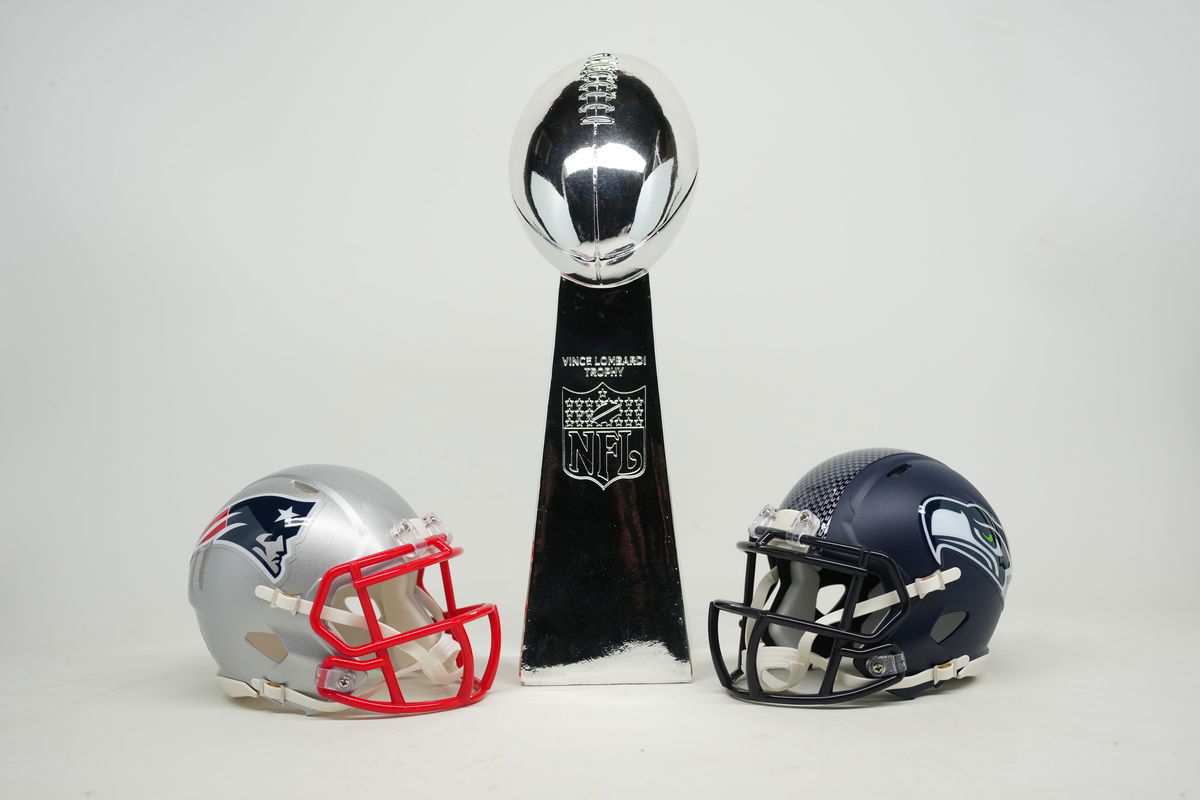
Jan 29, 2026; Santa Clara, California, USA; New England Patriots and Seattle Seahawks helmets with Super Bowl Vince Lombardi trophy. Mandatory Credit: Kirby Lee-Imagn Images
Imago
Jan 29, 2026; Santa Clara, California, USA; New England Patriots and Seattle Seahawks helmets with Super Bowl Vince Lombardi trophy. Mandatory Credit: Kirby Lee-Imagn Images
Essentials Inside The Story
- Super Bowl LX is tracking toward another historic viewership mark
- Streaming and digital platforms are reshaping how fans watch the biggest game
- Behind the scenes, the NFL is already rethinking its media future
Last year, Super Bowl 59 became the most-watched single-network telecast in television history, peaking at 137.7 million viewers during the second quarter. The previous record came a year earlier, when the Kansas City Chiefs came out on top against the San Francisco 49ers. That trajectory hinted at the fact that this year’s event will be the most-watched in recent years.


According to the reports, over 130 million watched the 2026 Super Bowl LX. While the specific viewership statistics will only be revealed after some time, this year’s matchup between the Seattle Seahawks and the New England Patriots is poised to become one of the most-viewed events in the game’s history.
Watch What’s Trending Now!
Even based on Nielsen Media Research trends, total viewership across all platforms should clear 125 million this time around. They estimated that 127.7 million people watched last year’s Super Bowl between Philly and the Chiefs, and there’s little reason to expect a big drop from that number.
Imago
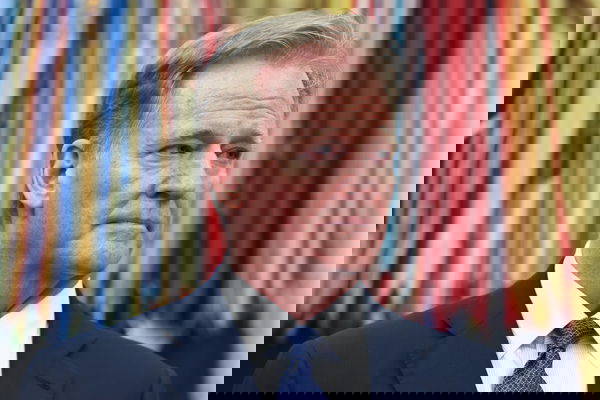
Trump Announces DC Will Host the 2027 NFL Draft Roger Goodell, Commissioner, National Football League NFL listens to United States President Donald J Trump announce DC will host the 2027 NFL draft in the Oval Office of the White House in Washington, DC USA, 05 May 2025. The move comes after the Washington Commanders announced they planned to return to DC in a new stadium built on the site of Robert F Kennedy Stadium.. Credit: Jim LoScalzo / Pool via CNP/AdMedia Washington District of Columbia United States of America EDITORIAL USE ONLY PUBLICATIONxNOTxINxUKxAUS Copyright: xx JJL21646-5370474 CNP/AdMediax admphotostwo930275

Tony's Top Prospects For QB For PATRIOTS
If anything, the number could surge even higher, since SB viewership has followed a steady upward curve over the past five years. Super Bowl 55 drew 101.6 million viewers, followed by 112.3 million, 115.1 million, 123.7 million, and then last year’s 127.7 million, so that curve is unlikely to change its shape.
A major driver in those projections is the continued growth of streaming and digitization, with more fans tuning in from digital platforms, mobile devices, and smart TVs, which expands the overall audience well beyond traditional television measurement.
This little cultural shift has been imperative in reaching younger/international audiences, while also benefiting from experimenting with non-traditional distribution. Think of Netflix’s Christmas Day example, as the Broncos–Chiefs matchup averaged 21.06 million viewers that night.
If this Super Bowl does push viewership to another high point, it will add context to how the NFL shapes its media future. League executives have already hinted at adjustments ahead, and the NFL’s executive vice president of media distribution recently addressed the topic, suggesting that changes in strategy are very much on the table.
Roger Goodell rethinks partnerships with current media partners
By just about any measure, the NFL just came off one of its strongest seasons on television, as games averaged 18.7 million viewers, the second-highest figure since consistent tracking began in 1988. After such a success, the NFL will analyze what worked for them and what didn’t.
What worked was definitely digitization. The Christmas games carried by Netflix delivered, and so did the Week 1 matchup sold to YouTube for roughly $100 million earlier in the season. With that sample size, NFL exec Hans Schroeder made it clear the league is open to talking with more non-traditional media companies about the possibility of taking on live NFL games.
“We’re going to have those conversations,” Schroeder told CNBC Sport. “We want to understand all our options and how to think about the best model for us, for our fans, for our teams going forward. So, to your question, you know, we’re going to listen and probably have a lot of different people who want to have a conversation with us.”
It makes one think about how the traditional media partners like Disney, FOX, Paramount Global, NBCUniversal, and Amazon would react to that idea, because if new players enter the bidding process, the pie gets sliced a little differently. Schroeder acknowledged that strong ratings and growing reach have only increased the league’s overall value.
“Looking back over the last five years, we’ve continued to grow viewership, we’ve seen us taking an even bigger leading place across the media landscape, we’re driving on digital distribution now,” he said. “Value is part of that, and we certainly think there is more value there.”
For fans, that could mean more options and, potentially, a better viewing experience, while the league would have another avenue for growth in both revenue and reach. Traditional media companies, though, may see it a bit differently. How those conversations unfold will be worth watching as the NFL maps out its next move.
Written by

Edited by

Bhwya Sriya