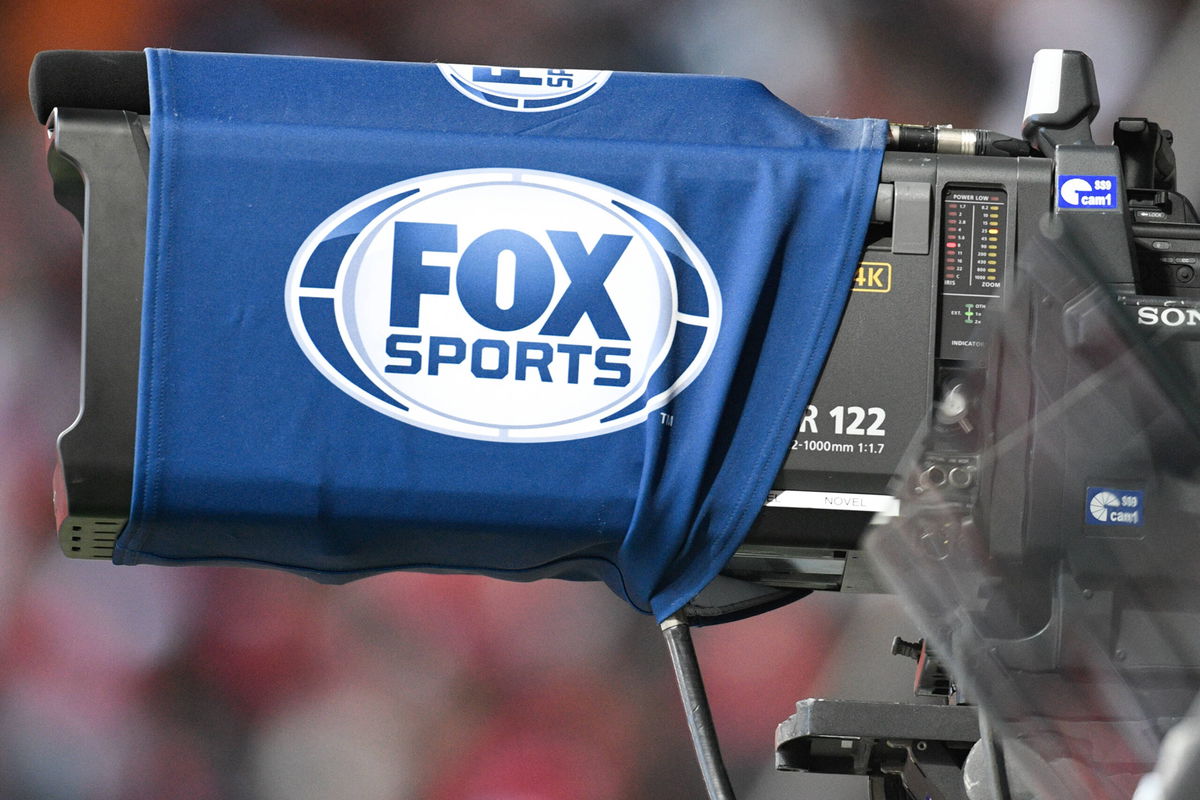
Imago
ATLANTA, GA – NOVEMBER 16: A close up view of the FOX Sports logo on a cover on a broadcast camera during the NFL, American Football Herren, USA game between the Carolina Panthers and the Atlanta Falcons on November 16, 2025 at Mercedes-Benz Stadium in Atlanta, GA. Photo by Erica Denhoff/Icon Sportswire NFL: NOV 16 Panthers at Falcons EDITORIAL USE ONLY Icon25111690
Imago
ATLANTA, GA – NOVEMBER 16: A close up view of the FOX Sports logo on a cover on a broadcast camera during the NFL, American Football Herren, USA game between the Carolina Panthers and the Atlanta Falcons on November 16, 2025 at Mercedes-Benz Stadium in Atlanta, GA. Photo by Erica Denhoff/Icon Sportswire NFL: NOV 16 Panthers at Falcons EDITORIAL USE ONLY Icon25111690
Essentials Inside The Story
- FOX is giving its users a month's time to prepare for an upcoming platform switch.
- FOX's newer standalone service would give various accessing options to its users.
- In 1961, the NFL made a deal to keep games on local channels for free.
If you suddenly find yourself unable to watch your Sunday game at Fox Sports on your gleaming Smart TV you just purchased for the very reason, don’t be surprised or call the repairman. Turns out that watching sports is changing soon, at least for the FOX Sports users.
Watch What’s Trending Now!
On April 7, in an email to its smart TV and connected device users, they notified that FOX Sports will shut down in the next 30 days. Mobile and web access to the FOX Sports app will be available for now, but it won’t be surprising if they make a complete switch in the near future. That is because, this is not a decision taken with haste.
Last August, the company released its FOX One app, a standalone streaming service that carries news, sports, and entertainment all in one place to compete against ESPN Unlimited. And it got an initial boost of over 2 million subscribers within 60 days. As such, with the changing media landscape, it wants to push its users to its all-in-one streaming service. The strategy is understandable, but it has a catch.
Top Stories




Widget1
Widget2
Widget3
Widget4
In May, Fox will shutdown its Fox Sports App on TVs and connected devices and customers will need to use the Fox One service.
This shouldn’t change anything for streaming. Fox One can be used with a cable login.
— Manny Soloway (@sportsontvguy) April 8, 2026
You see, if the user was already on FOX via cable providers, they can access FOX One with those credentials. The service is also being tied to live TV streaming platforms like Fubo, which will allow their subscribers to access FOX One within the subscription. The new users can directly subscribe to the service for $19.99 per month. Existing users will need to download the FOX One app and reauthenticate, which may be a minor inconvenience. But the app’s new features should make up for it.
For example, it lets you record games via cloud DVR or watch multiple games at once on a split screen. It also becomes a complete streaming hub with bundle options like FOX One + FOX Nation, and FOX One + ESPN. This move will be backed by a steady content push as well.
Its slate in April is packed, including live sports and seasonal programming like weekly UFL and Saturday baseball coverage. It will also feature NASCAR from Talladega and LIV Golf, alongside entertainment returns like MasterChef. While the new users would need time to adjust to the new interface, it wouldn’t be a new move in the broadcasting world either.
NBC Universal made such a move last year, shutting down its cable network apps on Roku devices to steer users toward Peacock.
FOX is aware that their streaming apps will not be smooth altogether, and they’re scrambling to make things better so everything actually works the way it’s supposed to. But while they’re busy with the tech change, there’s a much bigger mess brewing.
NFL risks antitrust immunity amid shift to paid streaming
Watching football used to be simple: turn on your local TV station, and the game was there for free. But lately, sports fans are getting frustrated because the NFL is sending its games across to different streaming apps like Amazon, Peacock, and Netflix. Now, big TV networks like Fox and Sinclair are speaking up too.
They are telling the government that these interloper streaming services are a huge threat. If all the best sports move to paid apps, local TV stations will eventually disappear, much like local newspapers did years ago, addressing a growing concern. FOX owner Rupert Murdoch also aimed at the NFL’s broadcast antitrust exemption, questioning the NFL and commissioner Roger Goodell.
“Today, the NFL is the powerful giant, while the broadcasters are weak,” Murdoch said. “Commissioner Roger Goodell wants to take advantage of this dominance by renegotiating with the networks. In 2021, the NFL finished a package of broadcast deals, including with CBS, Fox, and NBC, that were meant to run through 2033. The rights fee roughly doubled.”
Irrespective of the contract, the league is now looking at ways to make more money by asking the traditional networks to increase their money or risk losing their games to other streaming platforms. The reason the NFL has been so successful for so long is a special legal “hall pass” called an antitrust exemption.
Back in 1961, the government made a deal with the league: the 32 teams could bundle their TV rights together and sell them as one giant package, typically not allowed for big businesses.
In exchange, the NFL promised to keep games on local channels free so everyone could watch. It was a fair trade: the league got to act like a monopoly, and the public got free access to football.
However, the world has changed, and the NFL is now an entertainment giant.
Imago
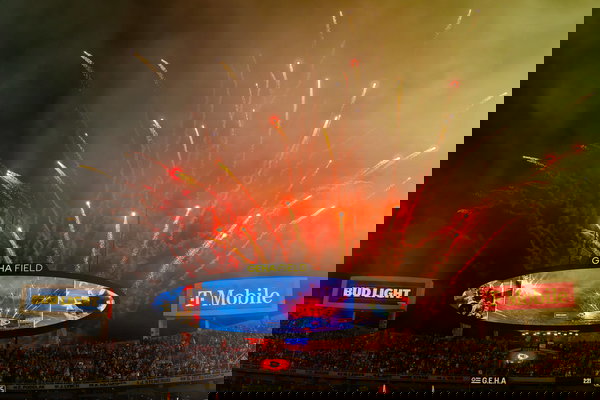
December 25, 2025 Kansas City, MO. U.S. – Fireworks above the scoreboard before the start of a week 17 National Football League football game between Denver Broncos and the Kansas City Chiefs on GEHA Field at Arrowhead Stadium in Kansas City MO..Denver won 20-13.Attendance: 73405. /Cal Media Kansas City United States of America – ZUMAc04_ 20251225_zma_c04_177 Copyright: xMichaelxSpomerx
During the last Super Bowl, a record-breaking 137.8 million people tuned in at once. Senator Mike Lee also pointed out that the NFL might be breaking its original promise.
He noted that the 1961 law was meant for “sponsored telecasts,” which means free TV with commercials. But today, the league is selling games to subscription services and tech companies instead.
Senator Lee pointed out that, “The NFL now licenses games simultaneously to subscription streaming platforms, premium cable networks, and technology companies.” He warned that if games are hidden behind expensive paywalls, “these arrangements may no longer align with the statutory concept of sponsored telecasting or the consumer-access rationale underlying the antitrust exemption.”
This shift is putting a lot of pressure on the league.
The big TV networks are currently trying to renew their contracts with the NFL, and the prices are getting out of control. CBS, for one, is facing a 45 percent increase in cost, paying about $3 billion a year just for Sunday games.
By complaining to the government, some networks might be trying to get a better deal. The stakes are incredibly high for the future of the sport.
If the government decides the NFL has broken its end of the bargain and takes away its special legal status, the move would only allow bigger and more successful teams to survive.
While the NFL is chasing the huge profits offered by streaming companies, it is risking the very legal shield that has kept it at the top for over sixty years.
Written by

Edited by

Antra Koul