

FOX first got NFL rights in 1994, and the deal did not just transform the network; it fundamentally shaped what FOX would become. More than three decades later, the network’s identity is still deeply tied to the NFL and, by extension, to holding its broadcasting rights. Right now, FOX reportedly pays around $2.2–2.25 billion per year under its current agreement with the league, a deal that runs through 2033. But there is one important catch: the NFL has the option to reopen negotiations after the 2029–30 season instead of waiting for the contract to fully expire. And understandably so, that possibility carries weight because FOX is no longer the untouchable broadcasting giant it once was.
Watch What’s Trending Now!
The media landscape around the NFL has changed dramatically over the past few years. For decades, games largely belonged to traditional television networks like FOX, CBS, NBC, and ESPN/ABC. Now, however, streaming giants are aggressively entering the picture with enormous financial backing. Amazon has Thursday Night Football, Netflix has Christmas Day games, Peacock carries exclusive matchups, and YouTube landed Sunday Ticket. The shift is slowly changing the economics of sports broadcasting and who controls it. Still, if you ask Rupert Murdoch’s son and FOX CEO Lachlan Murdoch, he does not appear overly concerned about where things stand right now.
“I think the important note to take there is that there is no tension with the NFL,” said Lachlan recently. “We have been partners for 30 years. We’re looking forward to being partners for the next 30 years.”
Murdoch’s comments also came at an interesting time because FOX had just secured rights to two additional NFL games for the 2026–27 season.
One of them is expected to be the Week 10 international matchup from Munich involving the Detroit Lions, which would give FOX what Lachlan described as the “first tripleheader on broadcast TV in history.” The second game will air during a Saturday national window later in Week 15. For a company supposedly dealing with friction behind the scenes, the timing of those additions only complicated the narrative further.
“The NFL has been a key partner with Fox for more than 30 years in what is a mutually beneficial relationship,” Murdoch said during the company’s quarterly earnings call. “To underscore this relationship with the NFL, yesterday, Fox acquired rights to two additional NFL games in national windows for this coming season.”
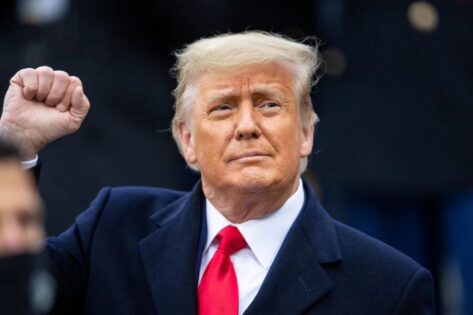
At the same time, though, the speculation surrounding the partnership has not appeared out of nowhere. Recent reports from The Wall Street Journal claimed that Rupert Murdoch had privately raised concerns about the league’s growing relationship with streaming companies and the impact it could have on traditional broadcasters like FOX. According to the report, Murdoch even discussed the matter with President Donald Trump earlier this year as streaming platforms continued to grab larger pieces of the NFL calendar.
That conversation became even more significant after the Department of Justice reportedly opened an investigation into whether professional sports leagues should continue enjoying antitrust protections under the Sports Broadcasting Act of 1961. The exemption allows leagues like the NFL to collectively negotiate television rights instead of forcing teams to negotiate individually. But as more games slowly move behind streaming paywalls, lawmakers and regulators have started questioning whether the current system still serves fans the way it originally intended to.
Republican Senator Mike Lee of Utah has been among those encouraging closer scrutiny, especially as exclusive streaming deals continue pushing fans toward multiple paid subscriptions just to follow the league consistently. Meanwhile, the Federal Communications Commission has also been reviewing the broader sports broadcasting landscape this year.
Despite all of that noise surrounding the league’s future media strategy, Lachlan Murdoch insisted FOX has not held meaningful discussions with the NFL about restructuring the current agreement early.
“We’ve read the speculation that the NFL would like to renegotiate and extend the current deals that are in the marketplace, but we’ve had no substantive discussions with the NFL about that,” Murdoch said. “It’s hard apart from what we’ve read in the press around speculation around that. I wouldn’t want to add to that speculation at all.”
Still, his remarks carefully stopped short of shutting the door completely. Murdoch acknowledged that FOX would remain open to expanding its relationship with the league, but only under the right financial conditions.
“We’d like to broaden and deepen our relationship with the NFL, but we’ll only do so in a disciplined way that creates long-term shareholder value,” he added.
The importance of the NFL to FOX’s business became especially visible in the company’s latest earnings report. Without Super Bowl broadcasting rights this year, FOX saw advertising revenue fall from $2.04 billion to $1.56 billion compared to the same quarter a year ago. Overall revenue also dropped from $4.37 billion to $3.99 billion, while net income declined sharply from $354 million to $175 million. The numbers were another reminder of just how heavily modern television networks still rely on premium live sports, particularly the NFL, to drive advertising dollars and audience attention in an increasingly fragmented media environment.
Still, the conversation around FOX and the NFL extends far beyond contract timelines or future negotiations. Behind the scenes, the growing battle between traditional broadcasters and streaming platforms has now reached political and regulatory circles as well.
Rupert Murdoch warns Trump about streaming’s impact on FOX’s broadcast dominance
According to reports from The Wall Street Journal, Rupert Murdoch personally raised concerns about the NFL’s increasing shift toward streaming during a February dinner at the White House alongside several FOX executives. The concern was straightforward: if companies like Amazon, Netflix, and YouTube continue securing larger NFL packages, traditional broadcast television could eventually lose the one thing still consistently driving massive live audiences.
At the dinner, Murdoch reportedly warned President Donald Trump that giving streamers more NFL inventory could “kill broadcast networks.” The discussion itself highlighted just how dramatically the balance of power has shifted. Decades ago, leagues depended heavily on broadcast television for reach and survival. Now, with tech giants willing to spend aggressively for premium sports rights, even long-established networks like FOX are finding themselves under pressure to protect their position.
That pressure has only intensified because the NFL remains the single most valuable product in American television. As former FOX Sports chairman David Hill bluntly put it, “In the swamp that is entertainment, the only solid ground is sports.” And for FOX specifically, NFL games are not just another programming asset. They remain one of the company’s biggest drivers of advertising revenue, affiliate leverage, and overall visibility at a time when traditional television continues losing viewers to streaming platforms.
At the same time, the NFL has strongly defended its current media structure amid growing scrutiny. Commissioner Roger Goodell recently maintained that the league still offers one of the most accessible viewing models in sports, noting that 87 percent of NFL games remain available on broadcast television and that locally streamed games are still shown in home markets. “That’s something that’s been the core of our success,” Goodell said ahead of the Super Bowl, “and will continue to be my view.”
Still, critics argue that the viewing experience has become increasingly fragmented for fans. Instead of simply turning on broadcast television every Sunday, viewers are now often forced to juggle multiple subscriptions across Amazon Prime Video, Peacock, Netflix, YouTube TV, and cable packages just to follow the full NFL schedule. That frustration has become central to the Department of Justice’s broader investigation into whether the league’s long-standing antitrust protections under the Sports Broadcasting Act of 1961 still align with the realities of modern sports broadcasting.
Imago
Credits: IMAGO
And while the investigation is reportedly unlikely to lead to direct legal action against the NFL, it has still created an uncomfortable spotlight around the league’s future media strategy. The NFL has spent years maximizing the value of its rights packages by slicing games across more platforms, while broadcasters like FOX and CBS have watched prices continue rising even as portions of their traditional Sunday inventory slowly shrink.
For now, though, neither side appears interested in publicly escalating the situation further. The NFL still needs broadcast reach, particularly for marquee Sunday windows, while FOX understands just how deeply its business remains tied to football.
But with streamers growing more aggressive every season and future negotiations slowly approaching, the larger uncertainty surrounding the NFL’s media future is no longer really about whether streaming will continue expanding. It is about how much room traditional television networks will still have left once it does.