3 Big Josh Heupel Failures Leave Miserable Tennessee Fans Spending $2.3M to Hide Trauma

ADD US ON GOOGLE
Mar 2, 2026 | 3:36 PM EST
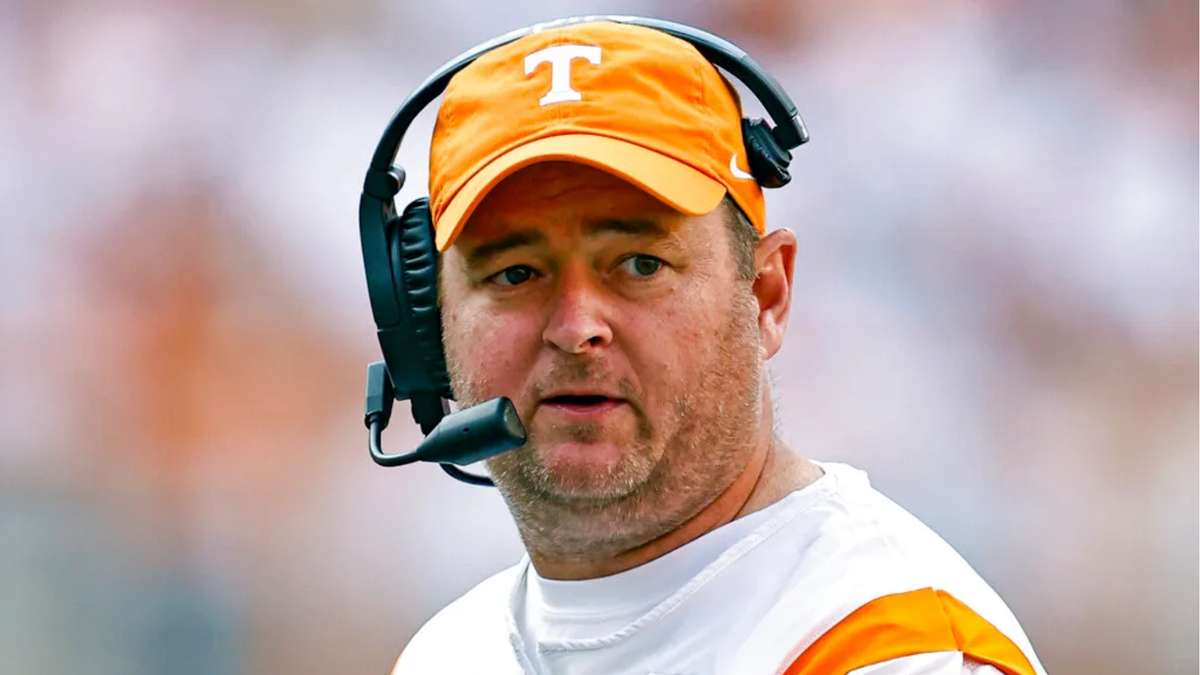

Josh Heupel finished the 2025 season 8-5, with a 4-4 SEC record. And three of those losses hit Neyland Stadium in ways that stung the fanbase hard. But it turns out Tennessee fans found one very consistent coping mechanism throughout it all. They drank $2.3 million worth of beer in those three losses alone.
Watch What’s Trending Now!
These losses were against Georgia, which did it in overtime; Oklahoma, which took Tennessee out of the playoff picture; and then Vanderbilt, of all teams, which put up 45 on them. The full numbers came out through a Knox News public records request. Tennessee’s 2025 season generated $4.3 million in alcohol sales across seven home games. It was both a single-season record and a new average per-game high of nearly $615,000.
The two worst losses on the schedule were also the two biggest drinking days of the year. The 27-33 Oklahoma defeat on November 1st led the stadium in alcohol sales at $844,204. It was the game that ended Tennessee’s College Football Playoff hopes. The Georgia game, a heartbreaking 44-41 overtime loss on September 13th, came in a close second at $828,870.
Cumulatively, these two losses raked in $1.7 million in alcohol. If you add in the $665,599 contribution from the loss to Vanderbilt, the figure goes past $2.3 million. For reference, the third-highest sales day of the season was a 34-31 win over Arkansas. It generated $731,388.
The Oklahoma game deserves some context. John Mateer punched in a go-ahead touchdown with under two minutes to play. Tennessee had the ball and a chance to respond, but couldn’t. That was the moment the Vols’ playoff run fell apart. And apparently, a lot of fans in those 101,915 seats processed that in liquid form.


The Georgia game earlier in the season was even harder to take. Tennessee had a clear shot at the finish line. They took a 41-38 lead on a Max Gilbert field goal in overtime. They had a 43-yard attempt in regulation that would have won the game outright. But Gilbert pushed it wide right. For the record, according to an SEC rule, vendors have to stop selling alcohol after the third quarter. It means that every dollar of that $828,870 was spent before the overtime drama even began.
Tennessee sold more than $2.3 million of beer in losses to Georgia, Oklahoma and Vanderbilt in 2025.
Do with that what you will. https://t.co/fj5AhYLbet
— Adam Sparks (@AdamSparks) March 2, 2026
Then came Vanderbilt on November 29th. That one might have been the hardest-hitting loss of the three. The Commodores hadn’t beaten Tennessee since 2018. Diego Pavia came in as a Heisman contender. He completely shredded the Vols. The final scoreline read 45-24. It was Vanderbilt’s first 10-win season in program history. And it happened largely at Tennessee’s expense in front of a Neyland crowd that had shown up to watch the Vols close the regular season strong.
These numbers are even more remarkable when you consider the backdrop of Neyland Stadium seven years ago. The cash revenue that UT has seen is unprecedented, given that Neyland Stadium was completely dry for general seating until 2019. The SEC had maintained a conference-wide ban on stadium-wide alcohol sales for decades. And it wasn’t until May 2019 that SEC presidents and chancellors finally voted to lift it. Commissioner Greg Sankey made clear that no school was required to sell alcohol. He had “no expectation that anyone would make alcohol available beyond clubs and suites.”
The Tennessee Volunteers didn’t need much convincing.
From dry stands to $19 million
Athletic Director Phillip Fulmer announced the sales program in August 2019. The beer was set to go on sale starting with the Week 2 home game against BYU. Tennessee became the sixth SEC program to announce sales that year. They joined Arkansas, LSU, Missouri, Texas A&M, and Vanderbilt. Auburn and Georgia held out until 2024 before finally ending their own prohibition.
That first season in 2019 generated $1.46 million in sales. And by 2025, that number had nearly tripled to $4.3 million. The same rules are still in place: sales stop at the end of the third quarter, two drinks per transaction, and beer and wine only. The wine is also restricted to premium club areas.
The 2025 breakdown shows just how lopsided the demand is. Fans bought 283,919 beers compared to only 950 total drinks of wine the entire season. Since 2019, Tennessee has generated $19.2 million in total alcohol sales. The revenue is split 50/50 between the athletics department and Aramark, the stadium concessionaire. This means that UT’s cut comes to roughly $9.6 million. You may hate the losses, but they genuinely are a cash cow for the university.
None of this is unique to Tennessee. But the Vols are genuinely near the top of the college football world in this category. A November 2025 study of 21 programs that responded to open records requests found Tennessee ranked second nationally in alcohol revenue through the first month of the season. They trailed only Nebraska, which was in its first-ever year of alcohol sales.
Heupel’s overall record at Tennessee sits at 45-20. But the program is in a far better place than it was before he arrived. Yes, 2025 was a regression year. The alcohol sales data captures the emotional texture of that season in a very specific way. Tennessee fans didn’t stop showing up, and they didn’t stop drinking. They just did a lot more of it after the scoreboard stopped cooperating.
Related Newsletters