
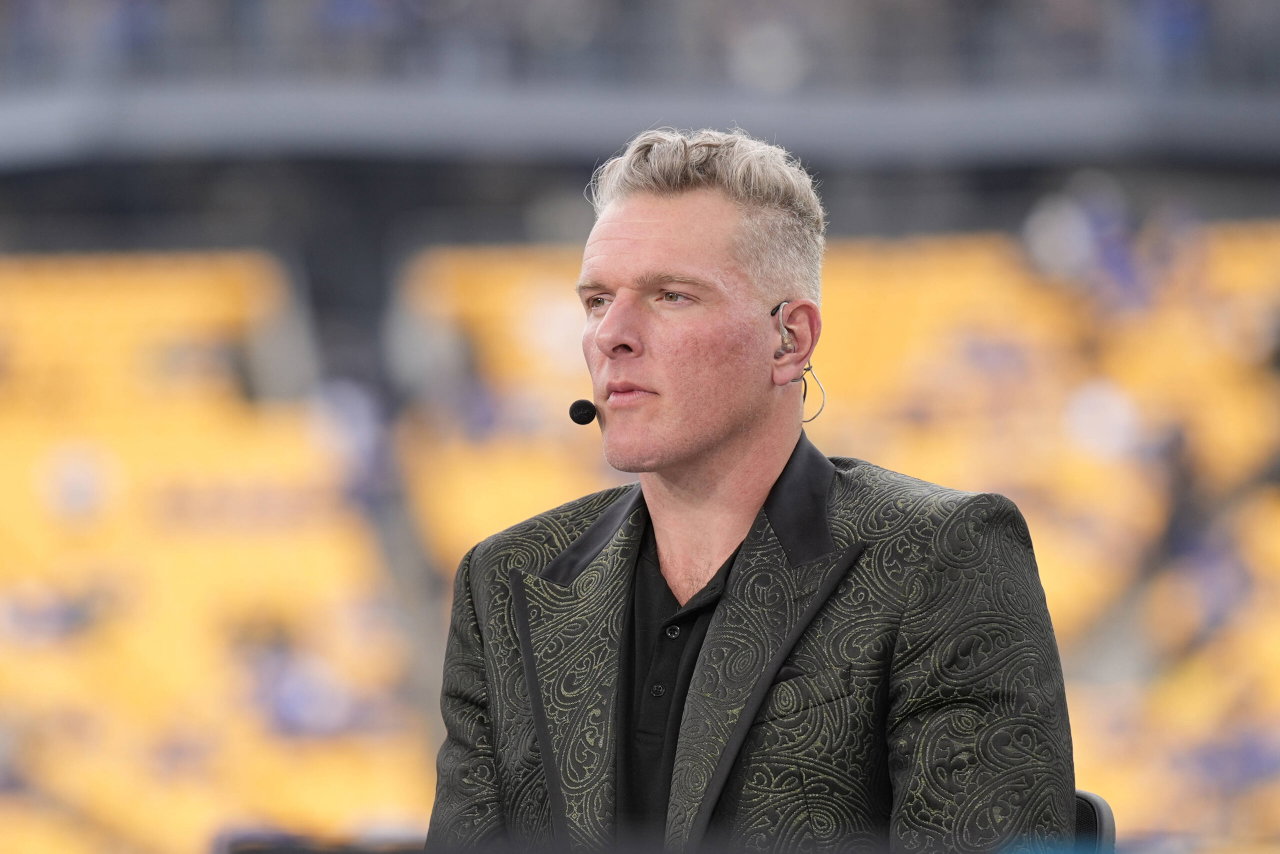
ESPN’s latest subscriber numbers gave critics a familiar target, and the massive contracts of Pat McAfee and Stephen A. Smith drew most of the fire. Jason Whitlock, who has a long and messy history with the network, pointed somewhere else entirely.
Watch What’s Trending Now!
“I’m not sitting here willing to blame Stephen A. Smith and Pat McAfee for that. I’m not even willing to blame ESPN for it. I’m willing to blame sports. Sports have lost their soul,” Whitlock said on the Fearless podcast. “Sports have lost their ability to connect with the average, stereotypical sports fan.”
Disney’s annual filing backs up the broad outline of Whitlock’s argument. It lists about 54 million pay-TV subscribers for ESPN and ESPN2, a drop from 61 million the year before and well short of the peak of more than 100 million. Whitlock put the loss at 7 to 8 million subscribers in a single year, leaving the network at roughly half its 2011 reach.
“They’ve distanced themselves so much from traditional values that they’re unrelatable to the average sports fan,” Whitlock continued. “It made me think, like, sports are dying. It’s not ESPN that’s dying. It’s sports that are dying.”
Whitlock pointed to the 15-year gap since ESPN’s 2011 peak, arguing that the decline is too big to blame on two personalities alone. One caution applies to the numbers themselves: they count traditional pay-TV homes only, so they say nothing about streaming viewers or ESPN’s overall financial performance.
“ESPN is the worldwide leader in sports,” Whitlock added. “By my math, 2011 to 2026 is 15 years, and they’ve lost half of their audience.”
Smith reportedly earns about $20 million a year on a five-year contract worth more than $100 million. McAfee is estimated to earn around $30 million annually through his production and licensing deal, and ESPN has reportedly talked about an extension in the $60 million to $65 million range, though nothing is confirmed.
Whitlock’s take comes with some history, because he has left ESPN twice under rough circumstances. The network pulled him from its television programming in 2006 after he took shots at colleagues Mike Lupica and Robert “Scoop” Jackson in an interview, calling Lupica an “insecure, mean-spirited busybody.”
ESPN brought him back in 2013 to run The Undefeated, removed him as editor in 2015, and bought out his contract that October. The network called it a “mutual parting of ways.”
Whitlock’s diagnosis is about the games more than the people. He described the Colts-Texans game as a weak product between two bad teams, even though he is from Indianapolis and enjoys following the Colts and Jonathan Taylor.
“Every time I turn on sports, it feels like something disappointing happens,” he said. He also criticized the NFL’s end-zone messaging and the behavior of some players, arguing that sports have drifted so far from traditional values that the average fan cannot relate.
Monday Night Countdown is off to a solid year. Through Week 9, the show pulled in an average of 1.6 million viewers, a mark ESPN had not reached at this point in a season since 2015.
College GameDay has also found a younger crowd, with its 18-24 audience reportedly more than double what it was four years ago. ESPN executives point to McAfee as a big reason the network is reaching that age group.
Now Whitlock’s claims about sports losing touch with fans raise a fair question as ESPN pushes ESPN Unlimited and adds more programming to Disney+. If viewers are leaving the cable bundle for streaming, the next round of figures could say whether the problem was ever the talent.