Imago
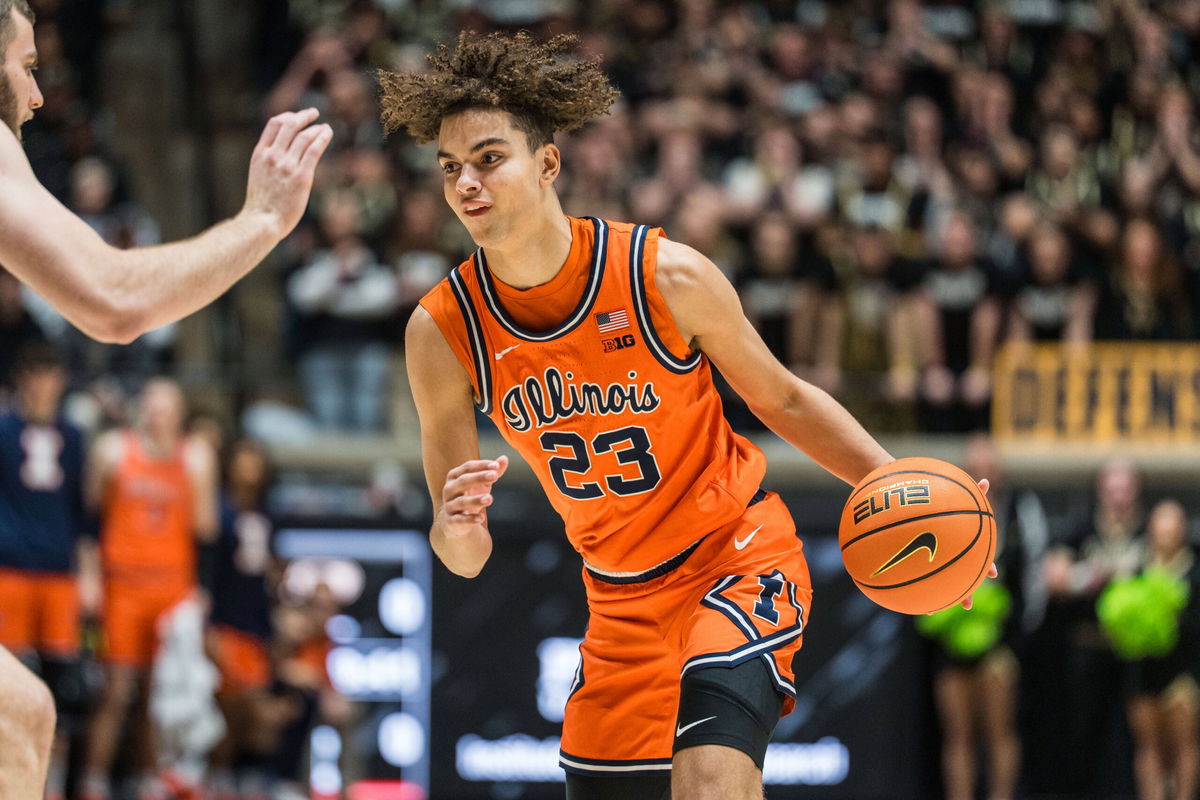
January 24, 2026, West Lafayette, Indiana, USA: Illinois Fighting Illini guard KEATON WAGLER 23 dribbles the basketball during the NCAA, College League, USA mens basketball game between the Washington Huskies and the Purdue Boilermakers, Saturday January 24, 2026, at Mackey Arena in West Lafayette, Ind. Illinois won 88-82. West Lafayette USA – ZUMAw145 20260124_zsp_w145_019 Copyright: xDavidxWegielx
Imago
January 24, 2026, West Lafayette, Indiana, USA: Illinois Fighting Illini guard KEATON WAGLER 23 dribbles the basketball during the NCAA, College League, USA mens basketball game between the Washington Huskies and the Purdue Boilermakers, Saturday January 24, 2026, at Mackey Arena in West Lafayette, Ind. Illinois won 88-82. West Lafayette USA – ZUMAw145 20260124_zsp_w145_019 Copyright: xDavidxWegielx
Keaton Wagler’s rise feels rooted in something deeper than raw talent. His journey carries echoes of family gyms, worn basketballs, and quiet repetition. Long before bright college arenas, he was shaped inside a basketball household. That environment shaped both his mindset and his competitive edge early on.


Today, Keaton Wagler represents a new wave of confident, skilled college athletes. Playing for the Illinois Fighting Illini, he’s quickly gaining attention nationwide.
Watch What’s Trending Now!
Where is Keaton Wagler From?
Wagler’s story begins in Shawnee, Kansas, where he spent his formative years. He attended Shawnee Mission Northwest High School, where he developed into a standout player. Basketball wasn’t just a sport there; it was part of daily life. His parents, Jennifer and Logan Wagler, both played at Hutchinson Community College. His father later coached, giving Keaton early access to structured training.
Family gatherings likely revolved around games, strategy, and shared experiences. Multiple relatives also played at competitive levels, deepening those basketball roots. That constant exposure helped him understand the game beyond basic fundamentals. By high school, his talent matched the environment that shaped him. His hometown experience still reflects in his calm, confident playing style.
What is Keaton Wagler’s Nationality?
Keaton Wagler holds American nationality and was born and raised in the United States. His journey reflects the traditional American pathway through school athletics systems.
From Kansas high school courts to Big Ten arenas, his growth stayed domestic. He represents the pipeline that develops athletes through structured competition and exposure.
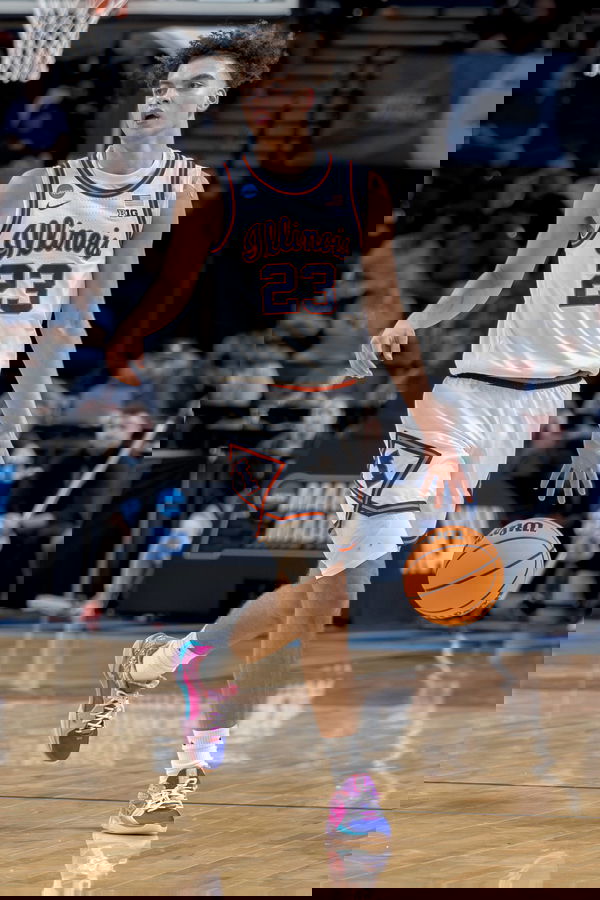
Playing in the Big Ten Conference places him among the nation’s elite prospects. His performances have drawn attention from fans and scouts across the country. That national spotlight reinforces his identity as an emerging American basketball figure.
His achievements also highlight the strength of grassroots basketball development in America. Through his college success, he continues to build a reputation on a national stage.
What is Keaton Wagler’s Ethnicity?
Details about Wagler’s ethnicity haven’t been publicly documented in depth. Still, his background reflects a deeply American cultural and athletic upbringing. His identity is strongly tied to a family immersed in basketball tradition. Generations before him played, coached, and competed at serious levels.
That lineage shaped not just his skills, but his mindset toward competition. Growing up in Kansas, he experienced a sports culture centered on discipline.
Community support and school pride likely played key roles in development. His story resonates because it blends family legacy with individual determination. Fans connect with that mix of heritage, effort, and visible growth. While ethnicity remains unclear, his cultural identity feels grounded and relatable.
What is Keaton Wagler’s Religion? Is Keaton Wagler Christian?
There is no widely confirmed public information about Wagler’s religious beliefs. He hasn’t openly discussed faith in interviews or official statements so far. However, his upbringing offers some context worth thoughtful consideration. He later played at MidAmerica Nazarene University through family members.
That institution is rooted in Christian values and traditions of faith-based education. His family’s involvement there may suggest some exposure to Christian environments while he was growing up. Still, there is no direct confirmation of his personal religious practices or beliefs. Many athletes choose to keep their faith private, separate from their public careers.
Without clear statements, it’s best to avoid firm assumptions about religion. What stands out instead is his discipline, focus, and strong family grounding.
