
Imago
Jan 19, 2025; Gainesville, Florida, USA; LSU Tigers head coach Kim Mulkey looks on against the Florida Gators during the first half at Exactech Arena at the Stephen C. O’Connell Center. Mandatory Credit: Matt Pendleton-Imagn Images
Imago
Jan 19, 2025; Gainesville, Florida, USA; LSU Tigers head coach Kim Mulkey looks on against the Florida Gators during the first half at Exactech Arena at the Stephen C. O’Connell Center. Mandatory Credit: Matt Pendleton-Imagn Images
LSU didn’t lose its first game of the season because of a lack of talent or shot-making. It lost because, once again, a familiar flaw resurfaced when the margin for error disappeared against elite SEC opposition.


That reality hit hard on New Year’s Day when Kentucky stunned LSU 80–78 inside the Pete Maravich Assembly Center, handing Kim Mulkey’s team its first loss of the season on a last-second three-pointer.
Watch What’s Trending Now!
LSU led by one with under 20 seconds remaining. The Tigers had done enough offensively to be in control. But one possession and one weakness flipped the entire night.
After LSU went ahead 78–77 on three clutch free throws with 18.5 seconds left, Kentucky guard Tonie Morgan held the ball coming out of a timeout. With the shot clock winding down and no clear passing lane, Morgan created her own look and buried a three-pointer with 0.5 seconds remaining.
LSU had no answer, and the building went silent.
Imago
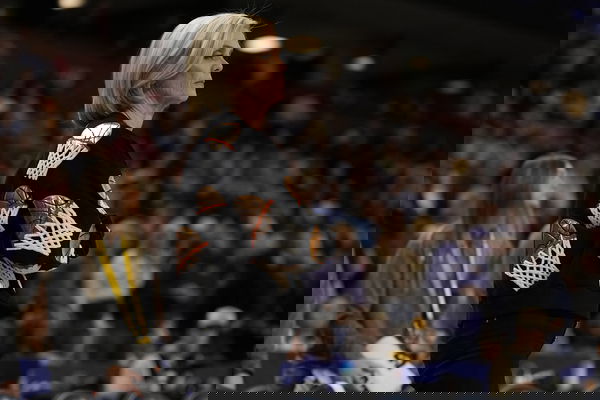
NCAA, College League, USA Womens Basketball: SEC Conference Tournament Quarterfinal – LSU vs Florida Mar 7, 2025 Greenville, SC, USA LSU Lady Tigers head coach Kim Mulkey watches her defense during the first half against the Florida Gators at Bon Secours Wellness Arena. Greenville Bon Secours Wellness Arena SC USA, EDITORIAL USE ONLY PUBLICATIONxINxGERxSUIxAUTxONLY Copyright: xJimxDedmonx 20250307_ams_db2_0141
Morgan finished with 24 points and 12 assists without committing a single turnover, but the shot itself only told part of the story.
Postgame, LSU head coach Kim Mulkey was blunt about where the game was lost. “The entire game was lost because of rebounding,” Mulkey said. “One kid for them outrebounded all four of our post players combined. That tells me we’ve got to get more rebounding from our perimeter.”
The numbers back her up.
Kentucky dominated the glass, outrebounding LSU by 16 overall and grabbing 17 offensive rebounds to LSU’s four. Those extra possessions led directly to second-chance opportunities that kept Kentucky within striking distance despite shooting worse from the field.
Teonni Key alone pulled down 16 rebounds for the Wildcats, more than LSU’s interior rotation combined, and consistently punished LSU on loose balls and missed shots.
Why the rebounding gap mattered more than shooting
On paper, LSU did enough to win.
The Tigers shot nearly 50 percent from the field, knocked down their threes at a higher rate than Kentucky, and committed fewer turnovers. Under normal circumstances, that formula leads to a comfortable victory.
But Kentucky manufactured extra possessions through effort plays. Offensive rebounds extended possessions, forced defensive breakdowns, and prevented LSU from ever fully seizing control of the game.
It wasn’t about the scheme. It was about physicality, urgency, and second efforts.
This loss has understandably raised concern among LSU fans, not because it was the first loss of the season, but because the pattern feels familiar.
Against the very top of the SEC teams built on depth, experience, and physical toughness, LSU has struggled to consistently impose its will. When games tighten late, details like rebounding, box-outs, and discipline become the deciding factors.
Imago
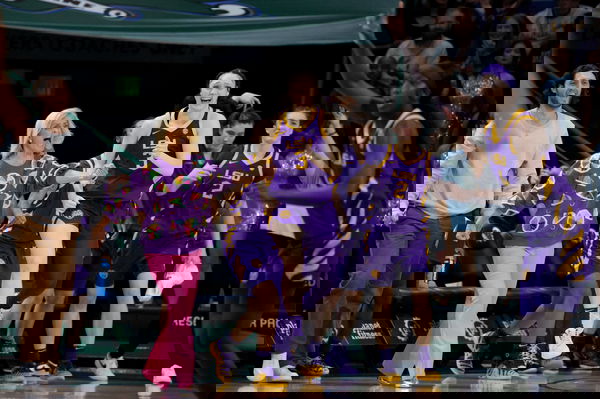
NCAA, College League, USA Womens Basketball: Louisiana State at Tulane Nov 17, 2025 New Orleans, Louisiana, USA LSU Tigers head coach Kim Mulkey reacts after a play by LSU Tigers guard Flau Jae Johnson 4 during the first half against the Tulane Green Wave at Avron B. Fogelman Arena in Devlin Fieldhouse. New Orleans Avron B. Fogelman Arena in Devlin Fieldhouse Louisiana USA, EDITORIAL USE ONLY PUBLICATIONxINxGERxSUIxAUTxONLY Copyright: xMatthewxHintonx 20251117_szo_ft8_0353
Kentucky didn’t beat LSU with overwhelming shot-making. It beat LSU by winning the possession battle.
Mulkey has been clear that this is not a one-player issue. It’s a team-wide responsibility, particularly from LSU’s perimeter players, to help on the glass and prevent opponents from generating second chances.
The concern is timing.
The SEC schedule does not allow for extended adjustments, and LSU has no margin to rely on past success or early-season dominance. Every conference game presents the same level of physical resistance, and teams like Kentucky have shown exactly where LSU can be pressured.
With difficult matchups looming and the league race tightening, LSU’s response to this loss will matter far more than the loss itself.
The warning signs are clear. Whether LSU addresses them quickly enough will define the rest of its SEC campaign.
Written by

Edited by

Ved Vaze