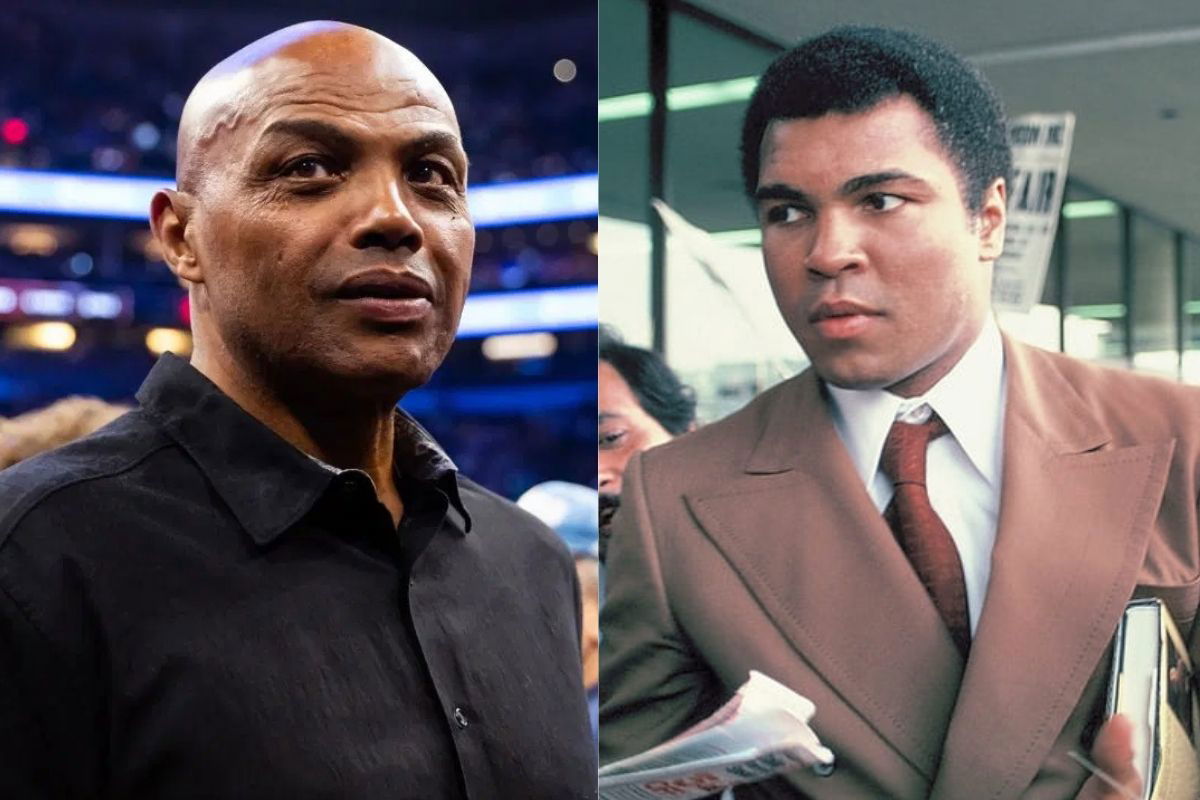
Charles Barkley has built his entire public identity on one thing. He has never tried to be polished. That reality matters now, because a recent comparison has reframed how his voice is being viewed across the NBA media landscape.


Barkley’s former teammate Kevin Johnson drew a line few are willing to draw. Speaking on the Club 520 Podcast, Johnson labeled Barkley the “modern-day Muhammad Ali.” The comment was not about basketball dominance. It was about Barkley’s willingness to speak on race, economics, and uncomfortable social truths without concern for backlash.
Watch What’s Trending Now!
Johnson’s framing immediately elevated the conversation. Comparisons to Muhammad Ali are rare for a reason. Ali represents a standard of personal risk, cultural consequence, and historical sacrifice that most athletes refuse to place themselves alongside.
“He’s not afraid to speak his mind on social issues. He’s not afraid to take a stand on things that may not be politically correct. His role model growing up was Muhammad Ali. And Charles is the modern-day Muhammad Ali. I don’t say that lightly,” Johnson said.
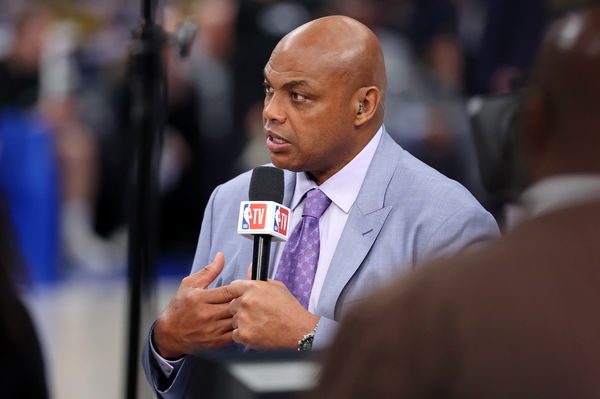
USA Today via Reuters
Jun 12, 2024; Dallas, Texas, USA; NBA TV analyst Charles Barkley talks on set before game three of the 2024 NBA Finals between the Boston Celtics and the Dallas Mavericks at American Airlines Center. Mandatory Credit: Kevin Jairaj-USA TODAY Sports
That praise landed loudly. It also sets up a tension that defines Barkley’s current moment.
Charles Barkley doesn’t want to be compared to Muhammad Ali
Barkley’s reputation has always been built on contradiction. He is remembered as an MVP-caliber star with a soft, approachable demeanor, yet he has never hesitated to challenge powerful institutions or public opinion. At 62 years old, Barkley still speaks with the same blunt confidence that once defined his playing career.
However, that fearlessness has never been accidental. Barkley has repeatedly pointed to Ali as the figure who taught him that athletes could be more than entertainers. Ali’s willingness to absorb criticism for standing on principle left a lasting impression.
That said, Barkley has been clear about where the comparison breaks down. He does not see himself as belonging in the same category. In fact, he believes the label minimizes what Ali and others endured.
“People have compared us. I say that’s an insult to him. To compare any Black man to what those older Black guys went through, that’s an insult,” Barkley said on In Depth with Graham Bensinger. “Jim Brown, Bill Russell, Ali. Those guys did a lot of heavy lifting to make it possible for me to make millions of dollars in the NBA.”
That distinction matters. Barkley credits Ali and his generation for absorbing the real cost of activism, including career threats and public exile. From Barkley’s perspective, today’s platform exists because of that sacrifice, not alongside it.
Barkley has publicly criticized ESPN’s limited scheduling of Inside the NBA and taken direct shots at network reporters. Those comments, made as recently as January 2026, are not strategic. They are instinctive.
That through line explains why Johnson’s comparison resonated with so many listeners. Barkley does not calibrate his voice for comfort. He never has. The difference is that he refuses to frame that trait as courage equal to Ali’s.
For Barkley, the goal is not legacy comparison. It is a continuation. He speaks because he believes silence creates permission. And while he rejects the label of “modern-day Muhammad Ali,” the influence of Ali’s example still shapes how Barkley operates.
Not as a replacement. As proof that speaking anyway still matters.
Written by

Edited by

Ved Vaze