Imago
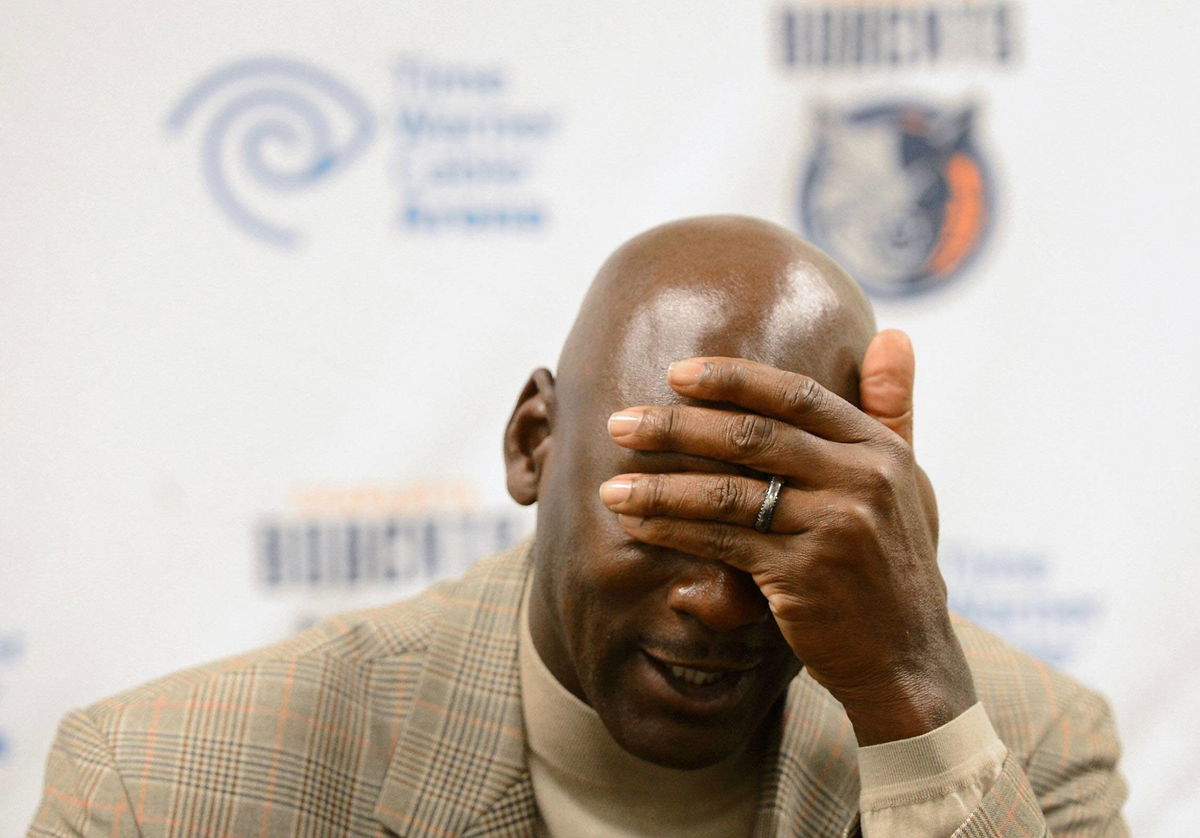
Nov. 1, 2013 – Charlotte, NC, USA – Charlotte Bobcats owner Michael Jordan gestures as he responds to a question during a news conference, Friday, November 1, 2013 at Time Warner Cable Arena in Charlotte, North Carolina. Charlotte Bobcats owner Michael Jordan – ZUMAm67
Imago
Nov. 1, 2013 – Charlotte, NC, USA – Charlotte Bobcats owner Michael Jordan gestures as he responds to a question during a news conference, Friday, November 1, 2013 at Time Warner Cable Arena in Charlotte, North Carolina. Charlotte Bobcats owner Michael Jordan – ZUMAm67
Owning a piece of Michael Jordan’s legacy sounds like a guaranteed win. Yet the NBA icon’s former Chicago-area mansion has quietly become one of the strangest real-estate headaches tied to a sports legend.
Watch What’s Trending Now!
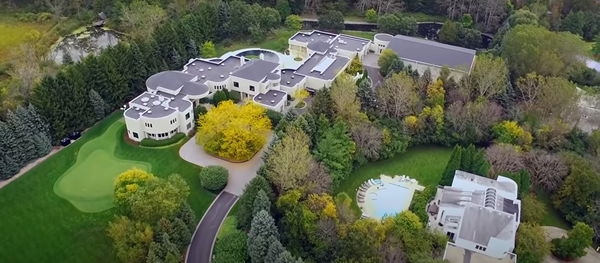
The 56,000-square-foot Highland Park estate finally sold in December 2024 for $9.4 million after spending more than a decade on the market. But instead of ending the saga, the sale simply passed the problem to its new owner.
Nebraska investor John Cooper, who purchased the nine-bedroom, 19-bathroom property, quickly discovered why the mansion had struggled for years. His ambitious plan to turn Jordan’s former home into a luxury timeshare destination was blocked by the Highland Park City Council. Now, more than a year later, the property sits in an unresolved limbo with no clear path forward.
ADVERTISEMENT
And for a house once owned by the most famous athlete on the planet, that outcome feels almost impossible.
ADVERTISEMENT
The mansion itself was built during the peak of Michael Jordan’s Bulls dynasty and reflects the scale of that era. The gated estate includes a full indoor basketball court, tennis court, cigar lounge, wine cellar, home theater and a massive resort-style pool.
ADVERTISEMENT
Yet despite the star power attached to the property, buyers never rushed in. Originally listed in 2012 for $29 million, the estate sat unsold for years. By 2015, the price dropped to $14.855 million, a clever nod to Jordan’s famous No. 23 since the digits add up to 23. Even that marketing trick failed to generate serious offers.
Eventually the price fell again. When Cooper finally purchased the home in 2024 for $9.4 million, it represented nearly a $20 million drop from the original asking price. Still, Cooper did not plan to live there. Instead, he saw an opportunity to transform the mansion into a luxury experience tied to Jordan’s legacy.
That plan quickly ran into reality.
ADVERTISEMENT
“Champions Point” Runs Into a City Hall Wall
Shortly after buying the estate, Cooper unveiled a concept called Champions Point. The idea was to divide the property into $1 million fractional ownership stakes, giving each buyer one week of access per year to Jordan’s former home.
On paper, the concept sounded appealing. Wealthy fans could technically own a slice of the most famous house in Chicago sports history. However, Highland Park officials were not convinced.
ADVERTISEMENT
City council members pushed back on the proposal, arguing that timeshares would fundamentally change the nature of a single-family neighborhood. The council ultimately amended the municipal zoning code to prohibit timeshares in residential homes, effectively shutting down the Champions Point idea before it ever launched.
Top Stories
“Y’all Better Be Careful”: Charles Barkley Doesn’t Sugarcoat His Message to WNBA Players Over CBA Negotiation

“Irretrievably Broken”: Dwight Howard Files for Divorce After Wife Amy Luciani’s Latest Accusations – Report

Luka Doncic Admits Copying From Austin Reaves, Marcus Smart as Lakers Inch Closer to Important Goal

Charles Barkley Almost Breaks Down in Tears Over “Mean-Spirited Comments” About KC Concepcion’s Speech Impediment

For Cooper, the decision erased the core business model he had envisioned when he bought the mansion. But he wasn’t done trying.
With the timeshare plan blocked, Cooper pivoted toward short-term rentals. The property was listed on Airbnb’s “Luxe” portfolio, a category reserved for roughly 0.05% of listings on the platform.
ADVERTISEMENT
The initial asking price reflected the exclusivity. Renters could book the estate for $230,000 per month, marketed as a once-in-a-lifetime stay for sports fans. The listing highlighted the basketball court and Jordan’s history in the home.
Interest never arrived. First the rent dropped to $150,000 per month. Later it fell again to $89,000. Despite the price cuts, reports suggested that bookings remained scarce. Eventually the listings disappeared entirely.
For now, both the timeshare plan and the rental strategy have been shelved, leaving the property without a clear use. The Daily Mail reported that Cooper’s investment firm, HAN Capital, has been contacted for comment, though it remains unclear whether any long-term solution is being pursued.
ADVERTISEMENT
Which leaves Jordan’s former home in a strange place. More than a decade after it first hit the market, the estate still hasn’t found a sustainable role. The mansion that once symbolized the Chicago Bulls dynasty now sits caught between city regulations, ambitious plans, and the challenge of turning sports history into a workable business.
Even Michael Jordan’s legacy, it seems, isn’t always enough to close the deal.
ADVERTISEMENT
ADVERTISEMENT
ADVERTISEMENT