Imago
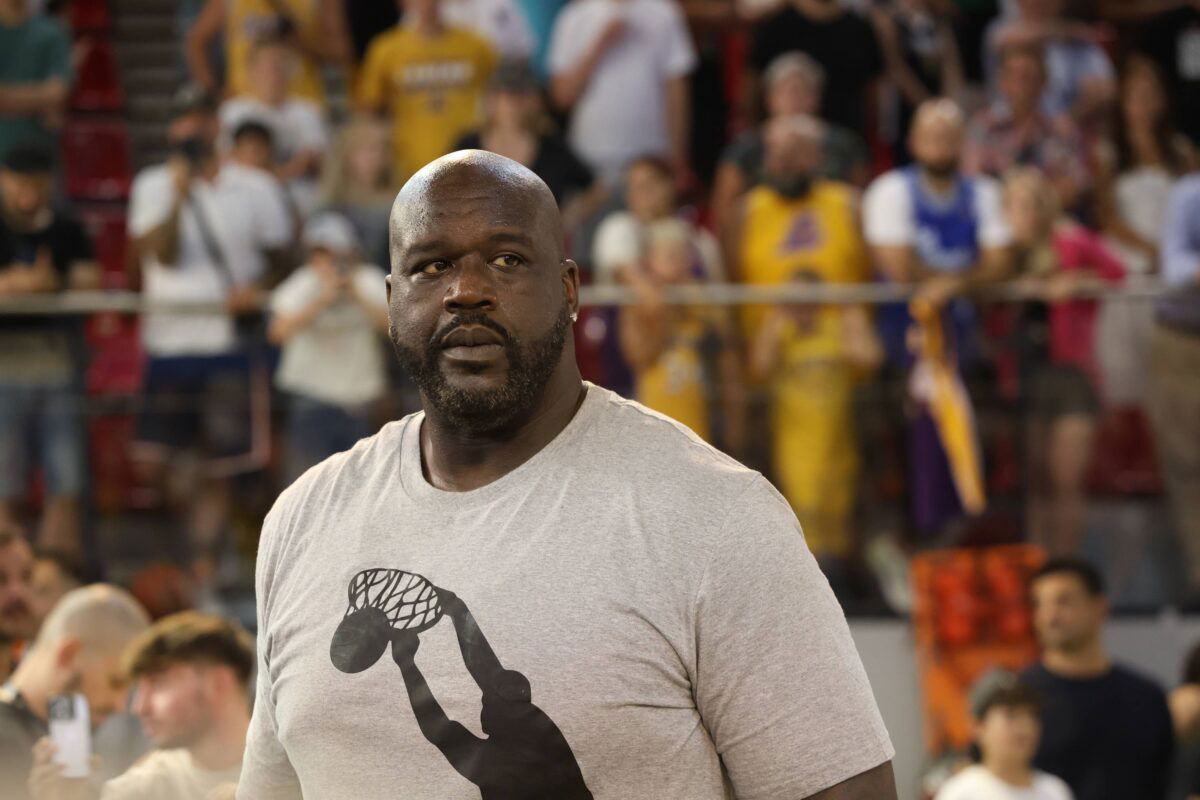
RECORD DATE NOT STATED 28.08.2024 WARSZAWA OSIR BEMOWO HEY THIS IS SHAQ BASKETBALL TOURNAMENT SHAQUILLE O NEAL KOSZYKOWKA EVENT SK FOUNDATION I SKSTORE.EU REEBOK I CCC TURNIEJ KOSZYKOWKI FOT. MICHAL PIESCIUK/NEWSPIX.PL — Newspix.pl PUBLICATIONxNOTxINxPOL MPI_2381
Imago
RECORD DATE NOT STATED 28.08.2024 WARSZAWA OSIR BEMOWO HEY THIS IS SHAQ BASKETBALL TOURNAMENT SHAQUILLE O NEAL KOSZYKOWKA EVENT SK FOUNDATION I SKSTORE.EU REEBOK I CCC TURNIEJ KOSZYKOWKI FOT. MICHAL PIESCIUK/NEWSPIX.PL — Newspix.pl PUBLICATIONxNOTxINxPOL MPI_2381
Shaquille O’Neal has been on a different wellness kick in recent years. Far from the giant Big Aristotle, who tried not to look weak on court, O’Neal has been open about the consequences of a 19-season-long NBA career. From the lingering effects of painkillers to his quest to get an ‘8-pack’ and even a hip surgery in between, the NBA legend has been open about his health. After turning 54 on March 6, he’s showing a new side as a health advocate with an honest confession.
Watch What’s Trending Now!
In a candid appearance on the debut episode of Craig Melvin’s Glass Half Full, O’Neal revealed he’s living with Obstructive Sleep Apnea (OSA). He described the harrowing symptoms that led to his diagnosis, noting that many people often ignore the warning signs.
“A lot of times when you lay down to sleep, airways could close a little bit, partially closed or whatever,” O’Neal explained of the life-altering health condition. “And symptoms are like you choke at night, you gasp for air at night, you wake up, and you’re tired and all these things.”
ADVERTISEMENT
O’Neal is doing much better after his diagnosis and is working closely with medical professionals to ensure his safety.
“I’ve been talking to my doctor, and I’ve been putting together a plan that’s good for me.”
OSA affects up to 1 billion people around the world who are between the ages of 30 and 69, and these symptoms can lead to dangerous and sometimes life-threatening complications, according to the Cleveland Clinic.
ADVERTISEMENT
The four-time NBA champ is now leveraging his massive platform as a spokesperson through a partnership with pharmaceutical giant Eli Lilly to bring awareness to OSA, a disorder that affects 24 million people in the US alone but often goes undiagnosed in those who believe they are simply “heavy snorers.”
“I urge people to go get checked out,” O’Neal emphasized.
ADVERTISEMENT
Imago
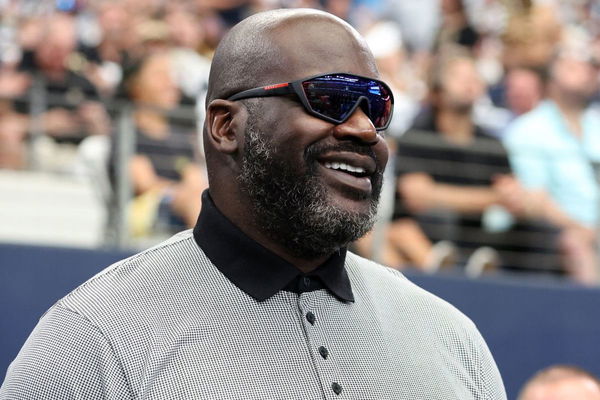
Sep 15, 2024; Arlington, Texas, USA; Former NBA player Shaquille O’Neal stands on the sidelines before a game between the New Orleans Saints and Dallas Cowboys at AT&T Stadium. Mandatory Credit: Tim Heitman-Imagn Images
Last November, O’Neal revealed that he was diagnosed with this condition in 2011, and he didn’t take it seriously. However, years later, after retirement, when he had time to recover from the wear and tear of his basketball career, his view of personal well-being changed.
ADVERTISEMENT
Shaquille O’Neal uses his personal journey to help millions
During the latter part of his career, Shaquille O’Neal was taunted for getting winded just from running 15 seconds on the court. Then he retired in 2011 and realized the chronic fatigue was there even without the grueling NBA schedules. That led to a diagnosis of OSA. However, the big guy was infamously neglectful of his health and didn’t bother to seek treatment until years later. His quality of life improved with CPAP therapy.
This healthy epiphany is relatively new for him. He relied on painkillers to “fight through everything” during his NBA career, and it gave him liver and kidney damage. He also lived on an unbalanced diet of sandwiches. During the pandemic, he realized that he couldn’t climb the stairs of his home without blacking out from exhaustion.
Top Stories
Fans Call Bam Adebayo’s 83-Point Game a “Disgrace” to Kobe Bryant – Here’s Why

Cops Called on Luka Doncic as Sad Details Emerge Amid Child Support Report
Why Did NBA Fine Luka Doncic? Reason Behind $50,000 Punishment
“Irretrievably Broken”: Dwight Howard Files for Divorce After Wife Amy Luciani’s Latest Accusations – Report

That spurred him to go on a wellness kick. He works with nutritionists, doctors, and bodybuilding trainers to work out an ideal fitness plan for a 7-foot-1 guy weighing over 300 lbs. He’s managing his other conditions with the doctor’s help, too, and is ensuring others don’t make the same mistakes he did.
ADVERTISEMENT
O’Neal’s comments on the recent podcast mark the latest chapter in a multi-year advocacy partnership with Eli Lilly and Company. He officially spearheaded a major initiative in October 2025 to educate the public about OSA.
The NBA legend was also at the Milan Cortina Winter Olympics, representing Eli Lilly’s “Athlete Recovery Program” for Team USA. It all reflects a 360-degree turn in his approach to wellness after choosing to take care of himself.
ADVERTISEMENT
ADVERTISEMENT
ADVERTISEMENT