
After contentious 18 months of negotiations and ratification, the WNBA players agreed to the new 7-year Collective Bargaining Agreement. Commissioner Cathy Engelbert said it begins “a bold new era of the WNBA.” But compared to the NBA, the debate over salary differences continues.
Watch What’s Trending Now!
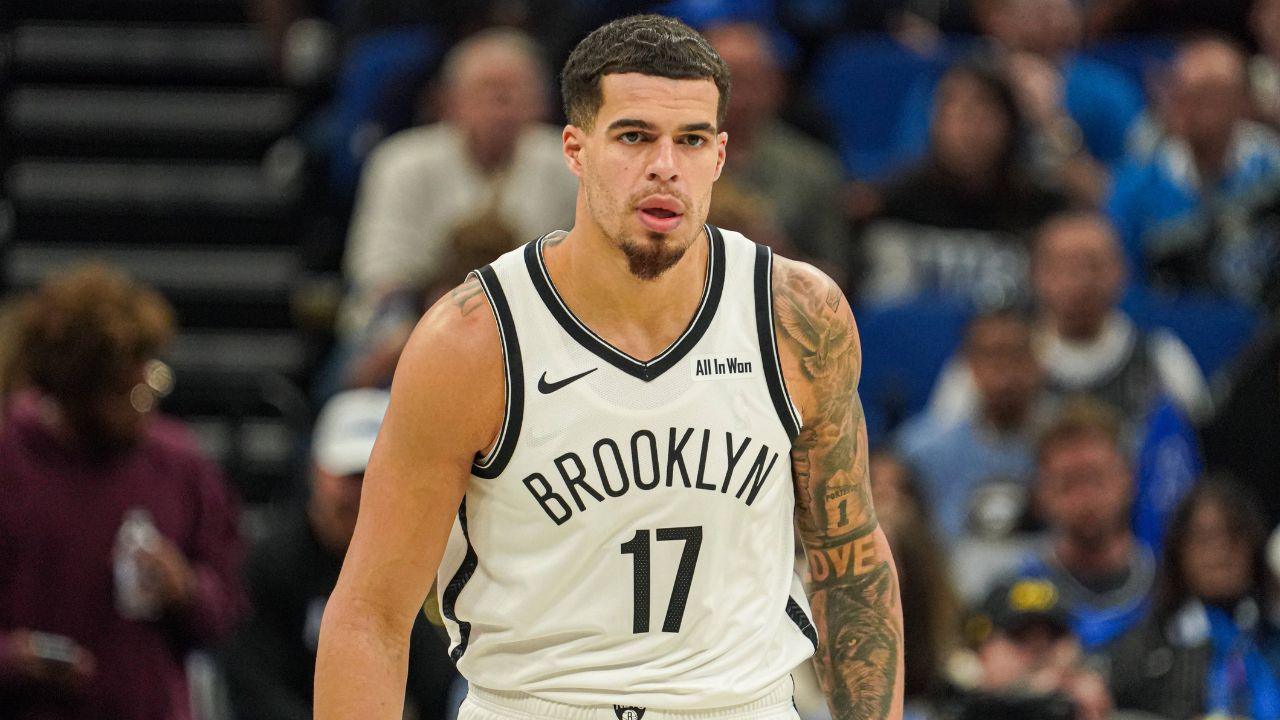
Michael Porter Jr. has shared a personal reason for caring about the growing pay gap between the two leagues. The Brooklyn Nets star stated his family has deep basketball roots, and his mother was a standout player. That’s why he is urging the NBA to do more to help the W.
“The NBA makes so much money, and we appreciate and support women’s sports,” said Porter on his Curious Mike podcast during a conversation with WNBA veteran Lexie Brown. “Now dudes are making so much. It’s embarrassing a little bit. I have sisters. When it came down to being the best basketball player in the family, I think it was my mom.
“She averaged 50 in high school. She went to the Iowa Hawkeyes and had a 75-point game. She’s the one who taught me how to… it was my dad, but my mom taught me a lot as well. It’s embarrassing for us to make $40 million a year and to look over there and y’all were making $60,000 or $70,000 a year. That’s trifling.”
Porter’s comments highlight a financial divide that remains massive despite the WNBA’s recent growth. The NBA’s average salary is roughly $12.8 million, while its 2026-27 salary cap is set at $164.7 million. Michael Porter Jr. will earn $40 million in the final year of his 5-year $179 million deal.
The WNBA is entering a new financial era after its new collective bargaining agreement, with its team salary cap jumping from $1.5 million in 2025 to $7 million in 2026.
The average WNBA salary is now around $600,000, while the minimum has risen to more than $300,000 under the new structure. The supermax salary starts at $1.4 million.
The increase is a dramatic change from the league’s early years. When the WNBA launched in 1997, only its highest-paid players were making around $50,000 annually.
Under the new CBA, the minimum salary has risen from less than $70,000 to $270,000, while the maximum has climbed from roughly $250,000 to $1.4 million. The new CBA also gives players a larger connection to the league’s financial growth.
Players will receive roughly 20% of league and team revenue, while the agreement also provides major improvements in travel, accommodations, facilities and team staffing. Yet the NBA’s financial ceiling remains on another level.
Shai Gilgeous-Alexander’s four-year, $285 million extension with the Oklahoma City Thunder carries an average annual value of $71.25 million and will pay him more than $75 million in 2030-31. It’s 10 times over the current WNBA team’s salary cap.
The numbers are changing quickly for the WNBA, though. Its new CBA represents the biggest financial jump in league history. But for Michael Porter Jr., the growth of the W can be even quicker if the NBA shared more of its revenue to bridge the salary gap even further.