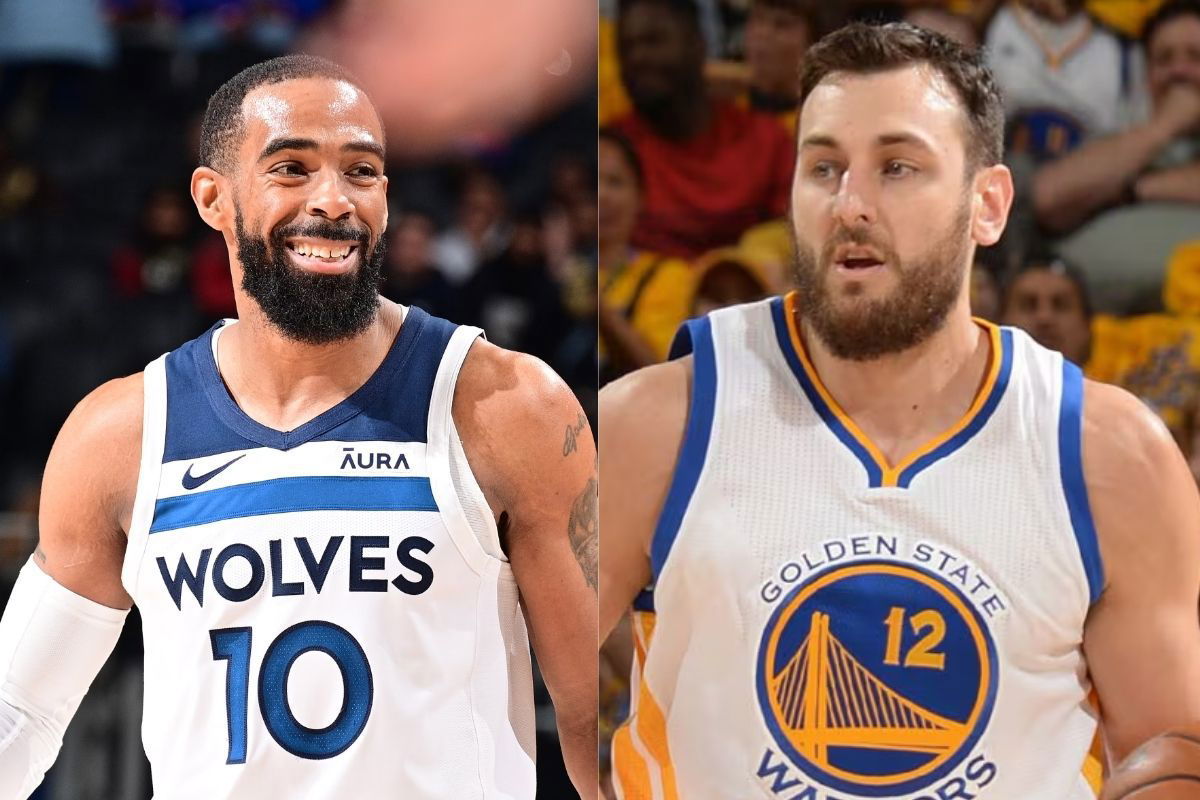
To create salary flexibility, the Minnesota Timberwolves shipped Mike Conley to the Chicago Bulls. The Wolves got rid of $10.7 million from their books. It wouldn’t affect their game structure a lot, since Conley averaged career lows across the board. However, the locker room felt empty all of a sudden. The Wolves players faced the reality that the 38-year-old would not return to the team for another year.


“I just focus individually on what he meant to me. He was always an ear to listen. He always has a perspective that you respect and appreciate. That doesn’t change in terms of being able to talk to him, but it’s just a little bit different. Felt a little bit weird today,” Donte DiVincenzo noted.
Watch What’s Trending Now!
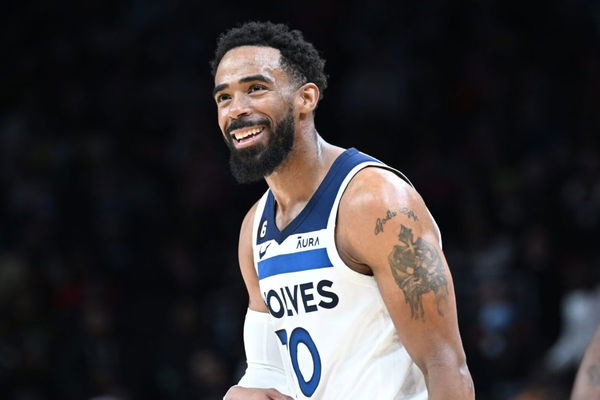
Well, that was before the Chicago Bulls dealt Conley to the Charlotte Hornets after acquiring him. Now, thanks to the 2017 loophole that saw Andrew Bogut return to the Warriors, the Timberwolves can sign him back at a lower cost without having to wait.
What is the Andrew Bogut rule? Know its history, origin and more
After losing the 2016 NBA Finals, the Warriors went after Kevin Durant in a move that shook the league’s landscape. They traded Andrew Bogut to the Dallas Mavericks to facilitate Durant’s signing. They subsequently traded him to the Philadelphia 76ers. That’s where the loophole arises.
Bogut was ready to retire from the NBA after the 76ers bought out his contract. He signed a two-year deal to play in Australia. But since it wasn’t the Warriors that made the final transaction, it wasn’t considered his last team. That meant the Warriors could sign him again at a lower price and make the most of his screens.
“To come back to the N.B.A., for me, was basically Golden State or nothing. But the fact it was Golden State — it was the kind of opportunity that I would be kicking myself if I didn’t take,” Andrew Bogut said at the time.
It’s still among the rare cases in the league where a player has returned to the team that traded them by bypassing the one-year restriction.
The rule limits the team that last traded a player before being waived from signing them, without mentioning any of their previous teams. Almost ten years later, the Minnesota Timberwolves could do the same for Mike Conley.
How is it relevant in the NBA? Understanding it through the Mike Conley case
There’s one essential element that allowed Andrew Bogut to return to the Warriors in 2017. He was bought out by the Philadelphia 76ers, making him an unrestricted free agent. That allowed him to negotiate with any team besides Philly. The Warriors grabbed the opportunity, understanding how instrumental he was to the system.
That takes us to Mike Conley, who is now in Charlotte. The Hornets appear to be on the rise, having won seven straight games. Their focus lies in developing their young core. They already strengthened their backcourt with Coby White, who arrived alongside the 38-year-old floor general.
If they don’t see any use for him this season, the Hornets could decide to buy out his contract. That’s the only way for the Minnesota Timberwolves to re-sign Conley without waiting for another year. If they pull off a trade for Giannis Antetokounmpo, they may not see the need for it.
But if they can’t, the team still lacks a point guard. Conley could serve as a short-term solution. It all depends on how the Hornets view the seasoned point guard. The team is on the verge of finding a winning identity. It’s valuable to have a veteran who can guide their young core. Mike Conley fits that prototype.
Keeping his salary on the books doesn’t risk financial restrictions. Yet if the Hornets aren’t looking to be as detailed just yet, they could opt to get his salary off the books. Since they would initiate the buyout, the Timberwolves would be free to negotiate a team-friendly deal that sees the former Grizzlies anchor return.
It depends entirely on how the Hornets handle the situation. At the very least, there’s a chance Mike Conley could be back in Minnesota.
Written by

Edited by

Tanay Sahai