Imago
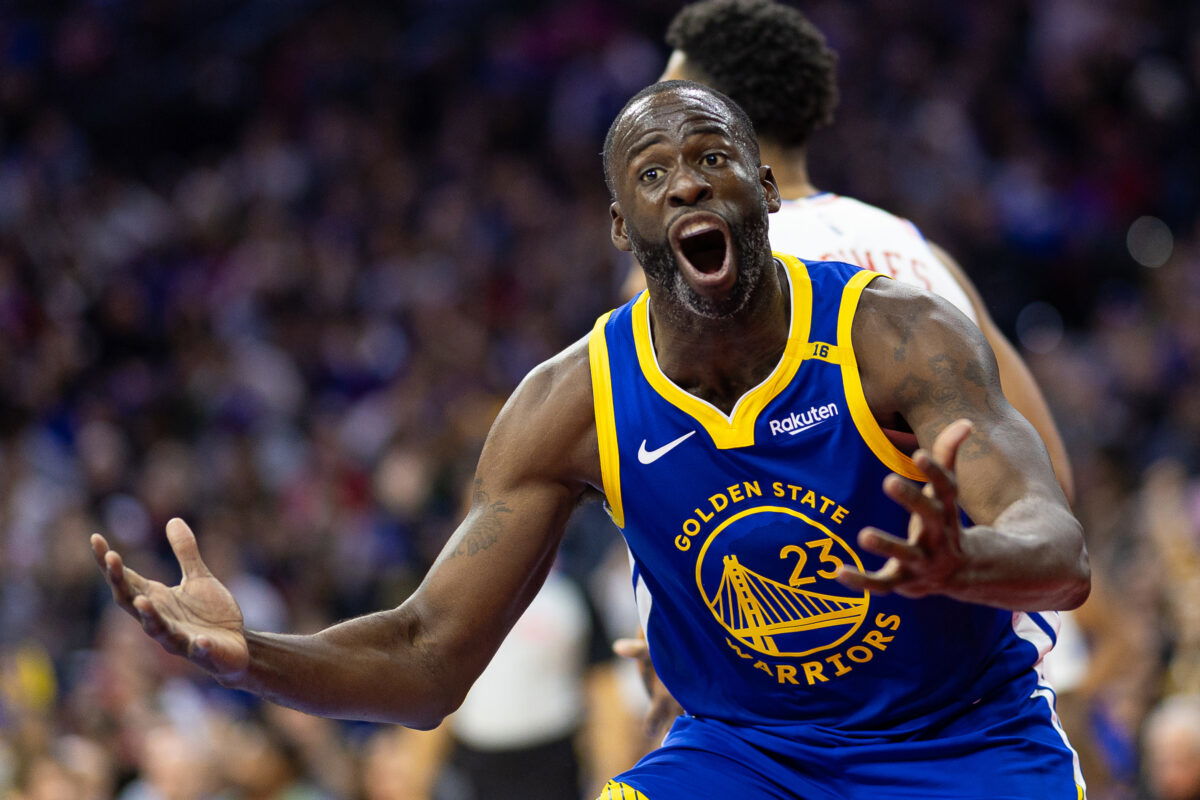
Mar 1, 2025; Philadelphia, Pennsylvania, USA; Golden State Warriors forward Draymond Green (23) pleads for a foul call against the Philadelphia 76ers during the fourth quarter at Wells Fargo Center. Mandatory Credit: Bill Streicher-Imagn Images
Imago
Mar 1, 2025; Philadelphia, Pennsylvania, USA; Golden State Warriors forward Draymond Green (23) pleads for a foul call against the Philadelphia 76ers during the fourth quarter at Wells Fargo Center. Mandatory Credit: Bill Streicher-Imagn Images
Let’s be honest: watching Draymond Green try to reinvent himself is like watching someone build a campfire during a windstorm—commendable, but don’t be shocked if it still explodes.
Watch What’s Trending Now!
Before the playoffs, there was real buzz around a ‘new’ Draymond. He’d done the work—meeting with Steve Kerr, opening up to his family, and seriously reflecting on whether he even wanted to keep playing. And after the Jusuf Nurkić incident got him suspended indefinitely, the NBA made it clear: therapy wasn’t optional. Growth was mandatory.
So he submitted—to a process he didn’t want.
“After he was suspended indefinitely for the Rudy Gobert incident last year, they made him go to like essentially counseling sessions,” Brian Windhorst said on The Stephen A. Smith Show. “But it wasn’t just with a counselor; it was with a whole bunch of different people who basically acted as a village for him. And he didn’t want to do it and he was annoyed by it.”
Draymond Green put Rudy Gobert in a headlock and was ejected 😳 pic.twitter.com/ub7ZT34WiL
— Complex Sports (@ComplexSports) November 15, 2023
It wasn’t just weekly therapy. It was Zoom check-ins with NBA reps, union officials, Warriors execs, and his agent. A full-on accountability squad. And somewhere along the way, he bought in.


Word is, Draymond Green asked to keep going with the sessions even after the league gave him the green light to stop. He called them “so therapeutic.” Said he wanted to keep doing them for the rest of his career. This wasn’t PR spin. People around him actually saw a shift.
He was talking more about control, responsibility. About not blowing up every time something went sideways. And for a while? It looked like it was working. Even Steve Kerr said Draymond was “emotional, but on the right side of the line.”
Then the playoffs arrived.
It’s always a rollercoaster—But that’s the deal
Now there’s no such thing as a calm season with Draymond Green. The Warriors knew what they were getting when they drafted him. What they might not have anticipated was how much managing him would become a full-time job.
Teammates don’t just play with him; they adjust around him. One week he’s the team’s emotional anchor, screaming on defense, firing up the bench, calling out plays before they happen. The next week, he’s tossing a ball at an opponent, jawing with a ref, or spiraling into yet another suspension.
And yet—it works. Or at least, it used to.
Draymond’s volatility is the tax you pay for his genius. His IQ on the court is off the charts. He reads the game like a coach, directs traffic like a quarterback, and defends every position like a madman with a playbook. You don’t win four titles without someone like that. But even the Warriors’ inner circle—Kerr, Steph, the front office—have admitted that the balancing act is exhausting. The same guy who’ll dive into the third row to save a possession might also start a sideline fight five minutes later.
This is why that therapy mattered. Why those Zoom check-ins weren’t just lip service. The idea was never to make Draymond “normal” Green—it was to keep him from self-destructing while still letting him be the guy who sets your team’s soul on fire.
Problem is, the playoffs showed that the fuse is still short. Five technicals and two flagrants don’t scream “healed.” They scream, same storm, different umbrella.
So what do you do with someone like that?
You hold your breath and live with it. Because for all the madness, he still wins you games. And deep down, you know what Windhorst said is the truest thing anyone’s ever said about Draymond Green: “They treasure him, they love him, they protect him—and he absolutely drives them crazy. And he absolutely leads them to victory.”
You just better hope the wins keep coming—because the chaos never left.