Imago
unlicensed image
Imago
unlicensed image
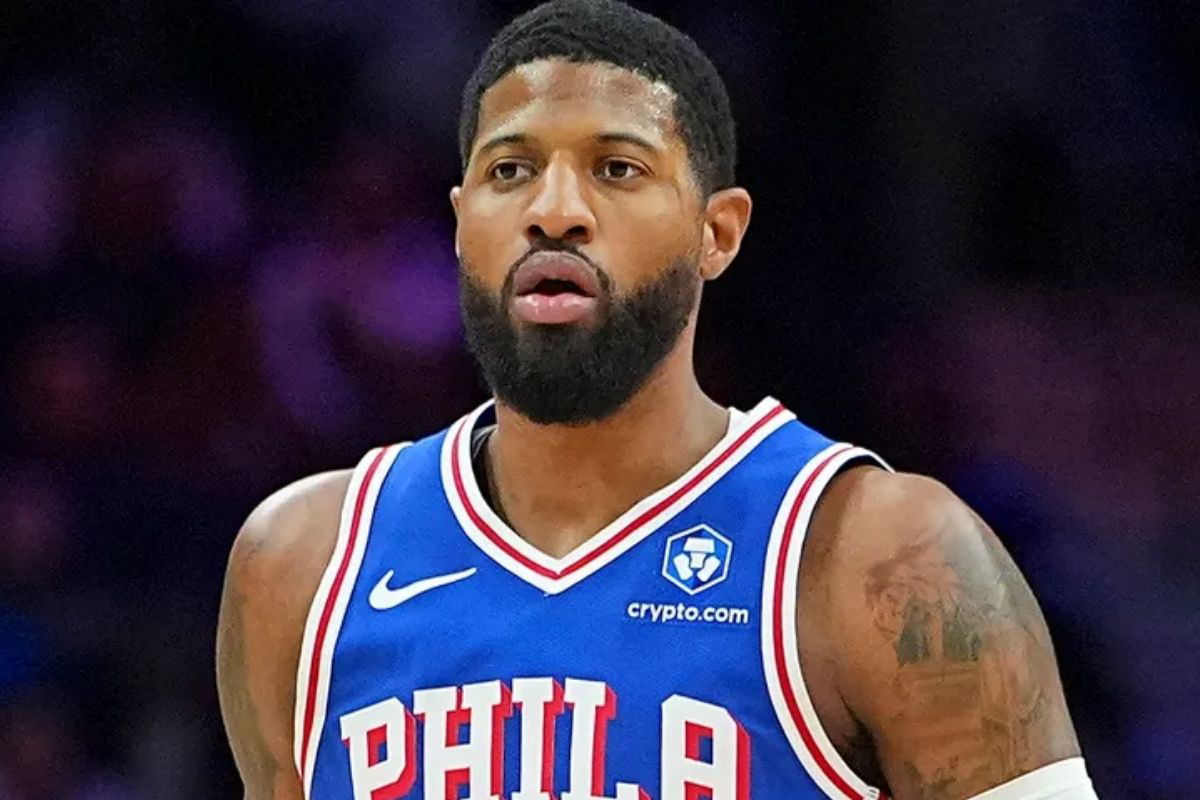
Paul George will finally join the Philadelphia 76ers’ lineup on Wednesday against the Chicago Bulls, ending a two-month absence stemming from a 25-game ban for violating the league’s anti-drug policy. On Tuesday, the 35-year-old appeared before the media for the first time since the suspension and admitted his error.


George chose not to reveal the exact banned substance that led to his 25-game suspension, saying the details were “more on the personal side.” He also said, “Being a pro athlete takes a toll on you, and my body wasn’t where I wanted it to be, and the expectation to perform, because of my body not being where it needed to be.”
Watch What’s Trending Now!
Paul George added, “Obviously, I’m going to have an expectation for myself, and that’s what led to the poor decision at the time, but again, I’ve said it throughout my career, dealing with mental health. I’m no superhero. I’m a human, and I made a mistake at that moment.”
Paul George describes what led to his 25-game suspension for violating the league’s anti-drug policy.
“I’ve said it throughout my career dealing with mental health: I’m no superhero. I’m a human. And I made a mistake at that moment.” pic.twitter.com/76NyW3UniA
— PHLY Sixers (@PHLY_Sixers) March 24, 2026
After his long absence, George returns to a 76ers team that held steady without him. Philadelphia managed a 13-12 record in his absence, a performance that demonstrates the team’s resilience and keeps them firmly in the Eastern Conference playoff race, currently sitting in seventh and just a game and a half behind the Toronto Raptors for the fifth seed.
The suspension also quietly gave George something valuable — time. Before stepping away, he was battling a nagging knee issue along with other physical setbacks. Now, he returns refreshed, healthier, and better prepared. What once felt like a setback may fuel a stronger postseason surge.
“I think I’m in a much better place physically,” PG said. “So, I’m, from a personal standpoint, really excited about that. These 25 games was just what I needed, I think, for my body to kind of heal, and be in a better place, and I’ve been feeling great. I’ve been feeling awesome on the court, and so I’m looking forward to putting it to the test now.”
At the same time, the 9-time All-Star expressed regret over the failed drug test. He is now focused on returning for a late-season playoff push.
Paul George apologized for his mistake
Opening his statement Tuesday at the 76ers’ New Jersey facility, George offered a heartfelt apology to the team, fans, and his family, taking full responsibility for the lapse in judgment that led to his suspension. “To let people down hurt more than kind of anything,” he said. The organization’s response to George’s apology was measured but supportive, with head coach Nick Nurse indicating that the team would stand by him through the process.
PG added, “The most difficult thing is when your body isn’t where you know it needs to be or where it once was. That leads and bleeds into the mental side of things, knowing that you’re limited. But for me, I feel good, my body is feeling great. Mentally, I know I’m capable of doing what I can do and what I’ve been able to on the court for years.”
Imago
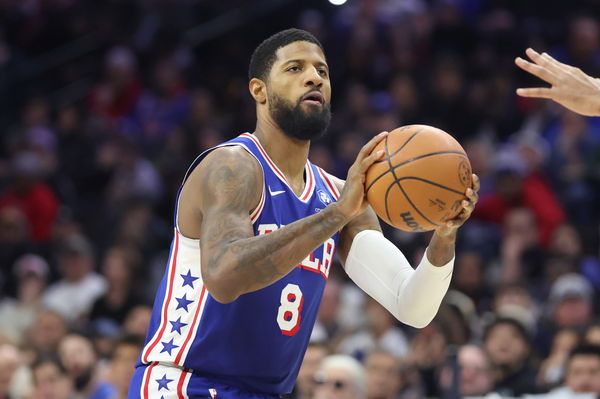
Jan 27, 2026; Philadelphia, Pennsylvania, USA; Philadelphia 76ers forward Paul George (8) shoots the ball against the Milwaukee Bucks during the third quarter at Xfinity Mobile Arena. Mandatory Credit: Bill Streicher-Imagn Images
George is not the first prominent player to navigate this particular road. Back in 2019, then-Phoenix Suns center Deandre Ayton was suspended 25 games after testing positive for a diuretic — a substance he maintained entered his system unintentionally.
Ayton chose not to appeal and instead waited out the suspension, staying close to the team and focusing on his development. His return sparked one of the more impressive stretches of growth in recent NBA memory, ultimately contributing to the Suns’ run to the 2021 NBA Finals.
The parallel isn’t perfect. George’s situation involves a mental health component that gives it a distinctly different emotional weight, but the arc of discipline, reflection, and return is strikingly familiar.
Nothing about this season has been smooth for Paul George, yet it somehow still feels unfinished. He showed flashes, including a stunning scoring burst with nine triples against Milwaukee, reminding everyone of his ceiling.
However, injuries kept dragging him back. A knee issue and adductor trouble disrupted his rhythm, limiting him to 27 games and holding him to 16 points per outing.
Still, there is context. George averaged 16.2 across 41 games, his lowest since early Indiana days. Then came knee surgery in July, followed by a delayed start. So yes, it looks rough. Yet, the story still feels like it is building toward something.