
A four-year, $64 million contract has put the Milwaukee Bucks under an NBA investigation, with the league looking into what happened before Gary Trent Jr. signed the deal. For now, there are no findings against Milwaukee, and the investigation remains ongoing.
Watch What’s Trending Now!
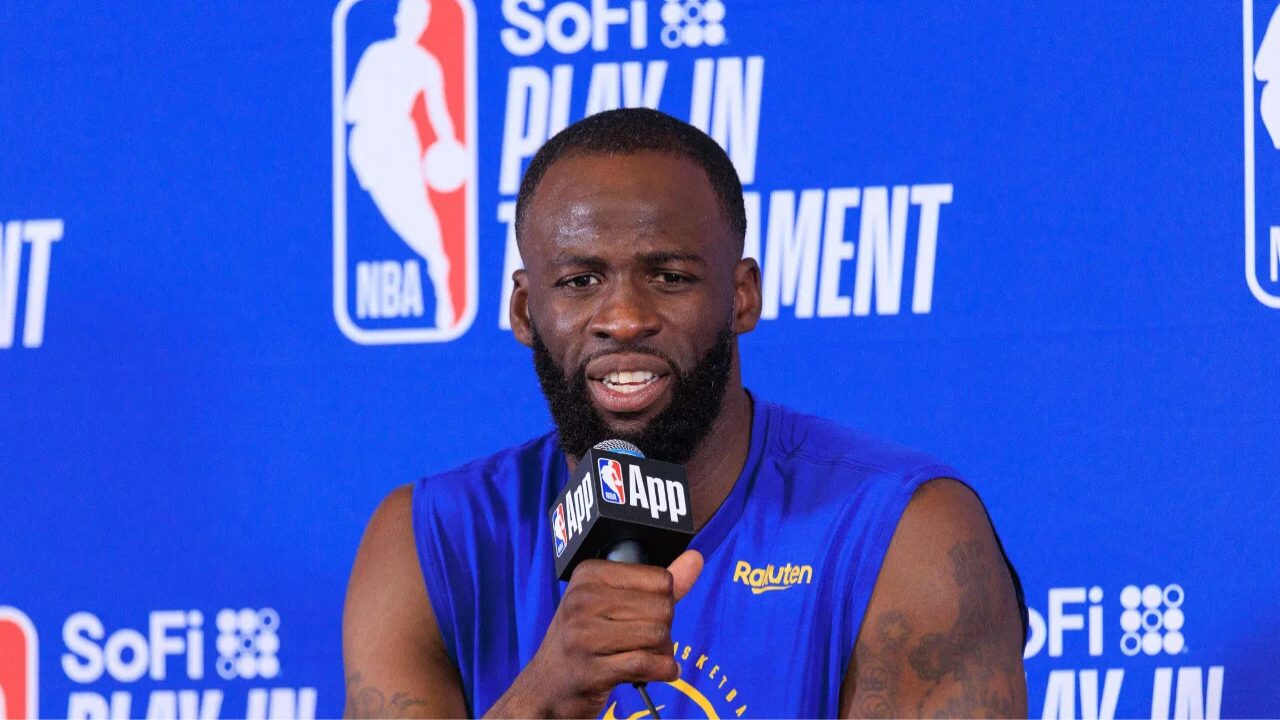
But the bigger question is what could happen if the NBA finds that the Bucks broke its salary-cap rules. Draymond Green believes the consequences could go far beyond a fine or a lost draft pick.
“I think if this was to happen, I think the Bucks owner would then sell because, unlike Steve Ballmer, who’s the wealthiest owner, who has a team that’s in Los Angeles, the Milwaukee Bucks lose five first-round draft picks, and they can never be good for 20 years.”
Green’s prediction is based on a worst-case scenario. He is imagining Milwaukee receiving a punishment similar to the one handed to the Los Angeles Clippers after the NBA’s investigation into the Kawhi Leonard situation. The Clippers lost five first-round picks from 2029 through 2033, received a $30 million fine and saw owner Steve Ballmer suspended for one year.
“So, I think you’d see that owner sell the team uh if this is the case because they’re going to they’re going to be, like, they can’t rebuild. No free agents going to Milwaukee,” Green said.
The NBA is not investigating the Bucks simply because Trent received $64 million. The issue is the path that led to the contract. Trent first signed a one-year veteran-minimum deal with Milwaukee in July 2024. A year later, he signed a two-year contract worth about $7.5 million, including a player option for the 2026-27 season. He declined that option in June before agreeing to his four-year, fully guaranteed $64 million contract in July 2026.
That sequence allowed Trent to establish Early Bird rights with Milwaukee. Under the NBA’s rules, those rights allow a team to re-sign its own player after two consecutive seasons and offer him a larger contract while operating over the salary cap. The NBA is investigating whether there was a prior understanding that Trent would accept smaller deals before receiving a larger payday later. No public evidence of such an agreement has been established.
The league hired investigations firm Hecker Fink to handle the Bucks case. As of September 23, the NBA confirmed that the investigation was still ongoing, while the Bucks and Trent’s agency, Klutch Sports Group, were cooperating with interviews. Neither the league nor the parties involved had announced any findings or penalties.
The situation is also different from the Clippers case Green used as his example. The Clippers investigation involved documented off-court income opportunities for Leonard through business relationships involving companies such as Aspiration, Boingo, Daktronics and Lockton. The independent investigation lasted about a year before the NBA announced its findings in September 2026.
The Bucks case centers on whether an agreement existed before Trent’s earlier contracts. That makes proving the alleged violation a key issue, especially because no public documentation of a prior agreement has emerged.
“But we saw how long it took the Kawhi investigation to play out. So, I think this will take a while. And I don’t think it’ll come back nearly as bad or any punishment because I just don’t think even if that was the case, like how do you get record of that?” Green said.
There is an older NBA case that makes the question important. In 1999-2000, Minnesota Timberwolves center Joe Smith signed successive below-market one-year contracts under a secret written agreement that he would later receive a larger deal after gaining full Bird rights. The NBA eventually voided the contract, stripped Minnesota of Bird rights, fined the team $3.5 million and took away five first-round picks, although two were later returned. The key difference is that written documentation existed in the Smith case.
“You know, there’s what I will say, you know, there are deals made beforehand in any business all the time. So, no one puts it on paper. When you’re doing good business with someone, you don’t put it on paper,” Green said.
The stakes are also different for Milwaukee today. The Bucks are already in a roster transition after trading Giannis Antetokounmpo to Miami, and losing additional first-round picks would further limit their ability to build through the draft. Green believes that could also make free agency harder, forcing Milwaukee to spend heavily to attract players who might not otherwise choose the team.
“They’ll have to pay like a fourth-tier player max money to come to Milwaukee. So, if this is the case, I think the Milwaukee Bucks will be on sale shortly thereafter.”
For now, though, that remains Green’s hypothetical. There are no credible reports that the Bucks are for sale or that ownership is considering a sale because of the investigation. The NBA has also not indicated that Milwaukee will lose five first-round picks or face any specific punishment.
The investigation will ultimately come down to what the NBA can establish about the contracts Trent signed before his $64 million deal. Until the league reaches a finding, the five-pick punishment and the possibility of a Bucks sale remain scenarios Green has raised, not developments involving the franchise.