LeBron James Received $300 Million From Mark Walter-Backed Firm Before Joining Lakers, Per Reports

Add us on Google
LeBron James Received $300 Million From Mark Walter-Backed Firm Before Joining Lakers, Per Reports
Add us on Google
Imago
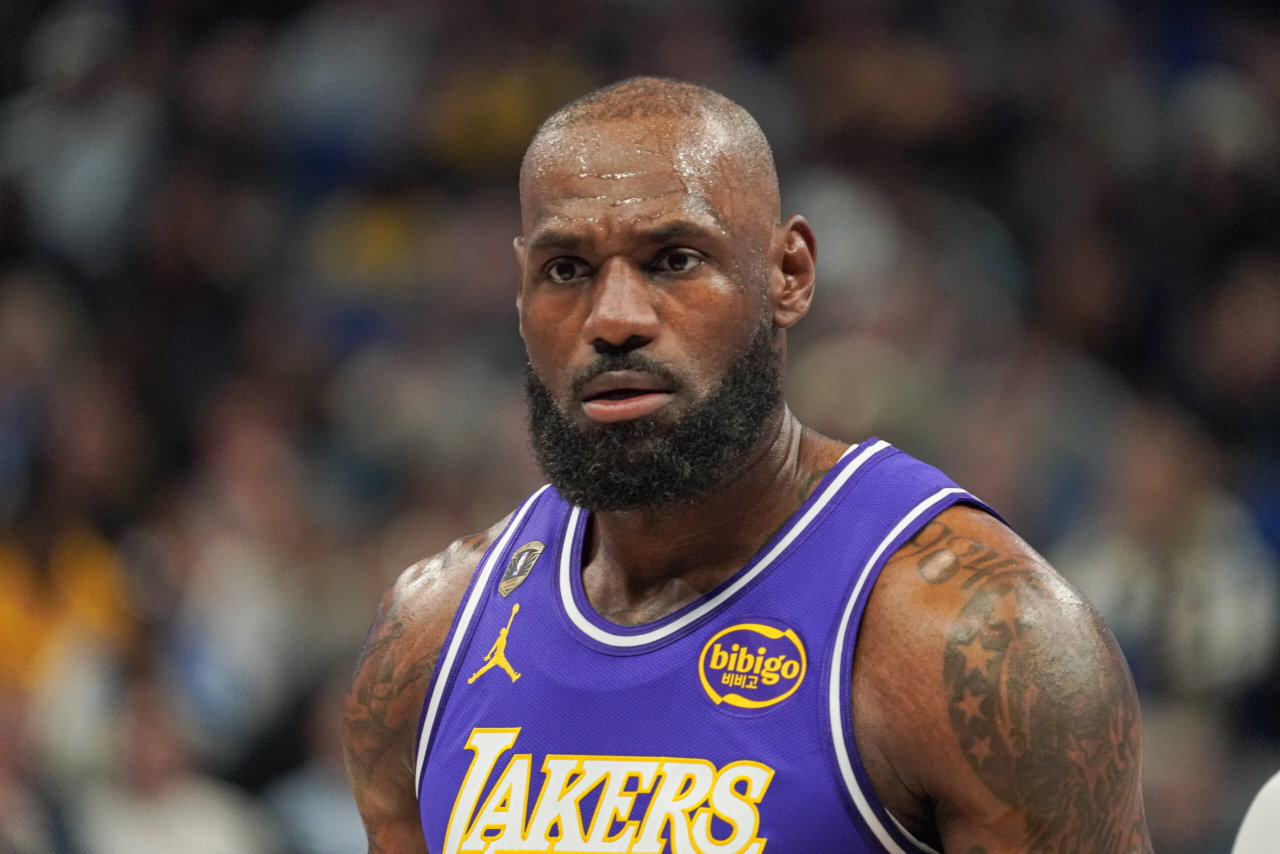
Los Angeles Lakers at Orlando Magic, Orlando, Florida, USA Orlando, Florida, USA, March 21, 2026, Los Angeles Lakers player LeBron James 23 at the Kia Center. Copyright: xMartyxJean-Louisx
Imago
Los Angeles Lakers at Orlando Magic, Orlando, Florida, USA Orlando, Florida, USA, March 21, 2026, Los Angeles Lakers player LeBron James 23 at the Kia Center. Copyright: xMartyxJean-Louisx
LeBron James, former Los Angeles Lakers player, signed a $154 million deal in 2018, which created a significant change in the NBA. New findings show a much more lucrative financial arrangement that he had made a few months back.
Watch What’s Trending Now!
According to Bloomberg, King James Funding, a limited liability company owned by James, took close to $300 million in loans from two life insurers based in the Midwest in 2018: North American Company for Life and Health Insurance and Midland National Life Insurance Co. The two companies were guided in making the loans by Guggenheim Partners, a private equity fund run by Mark Walter.
Interest rates on the bonds were at 4.8 percent and were not set to expire until 2049. The bonds were based on the future income that James was expected to earn outside of the court, including a lifetime contract that James had signed with Nike.
This is important since it turns out that Walter ended up owning James’s own team. Walter bought a minority share of the Lakers in 2021, and last year got the majority ownership of the team, so the financial system that used to support James ended up owning his team.
In 2022, the relationship went even deeper. Shortly after James inked a deal worth $97 million with the Lakers, the same insurance companies purchased close to $60 million in bonds of King James Funding, this time at an interest rate of 5.75% over a period of 34 years.
A representative for James commented on this deal. “Both transactions were independently credit rated by a third party, and the 2022 transaction was fully approved by NBA,” the spokesperson said, according to Bloomberg.
This statement corresponds to how the NBA usually approaches player financial transactions through any external business entity, as the league requires disclosure and approval of any transaction that may affect a player’s on-court salary, even indirectly.
The larger business empire of Walter is currently facing tough times. The federal authorities are currently investigating whether billions of dollars worth of investments associated with his companies have been properly mentioned on the balance sheets of the insurers, with reports indicating that they even seized his phone and laptop.
The oversight seems to be linked to Walter’s sudden move to sell the Lakers this year. He decided to surrender the business to Josh Kushner and Bob Iger at an appraised value of $12.5 billion, less than a year after acquiring a majority stake in the team.
On the other hand, James has already taken off to Philadelphia for the completion of his 24th season in the league by signing a two-year contract with the Philadelphia 76ers.
The Bigger Picture Behind LeBron James’ Financial Playbook
James’s $300 million borrowing deal is part of a much bigger narrative about how Wall Street has transformed the life insurance business during the last ten years.
“The transactions were a securitization done by Mr. James with his personal, non-NBA salary, assets and income, which is a very common financial structure for an individual with this level of earnings and assets,'” a spokesperson for James said, according to Bloomberg.
This is because such an approach is becoming increasingly common with elite athletes and entertainment figures who sell their income streams as royalties and endorsements in asset-backed securities to have instant access to the money.
The addition of Guggenheim brings yet another dimension because the firm has been pushing insurance companies to invest away from their usual safe investments and into private credit, sports teams, and now athlete financing, which is under scrutiny by regulators.
However, none of these facts suggest any wrongdoing on James’ part, and according to Bloomberg, there was no relationship between the loans he had taken and the investigation into the companies owned by Walter.
However, the confluence of factors relating to the financing of James, ownership of the Lakers by Walter, and the investment of Guggenheim in the media company of James is quite noteworthy.
Written by

Edited by

Ved Vaze