USA Today via Reuters
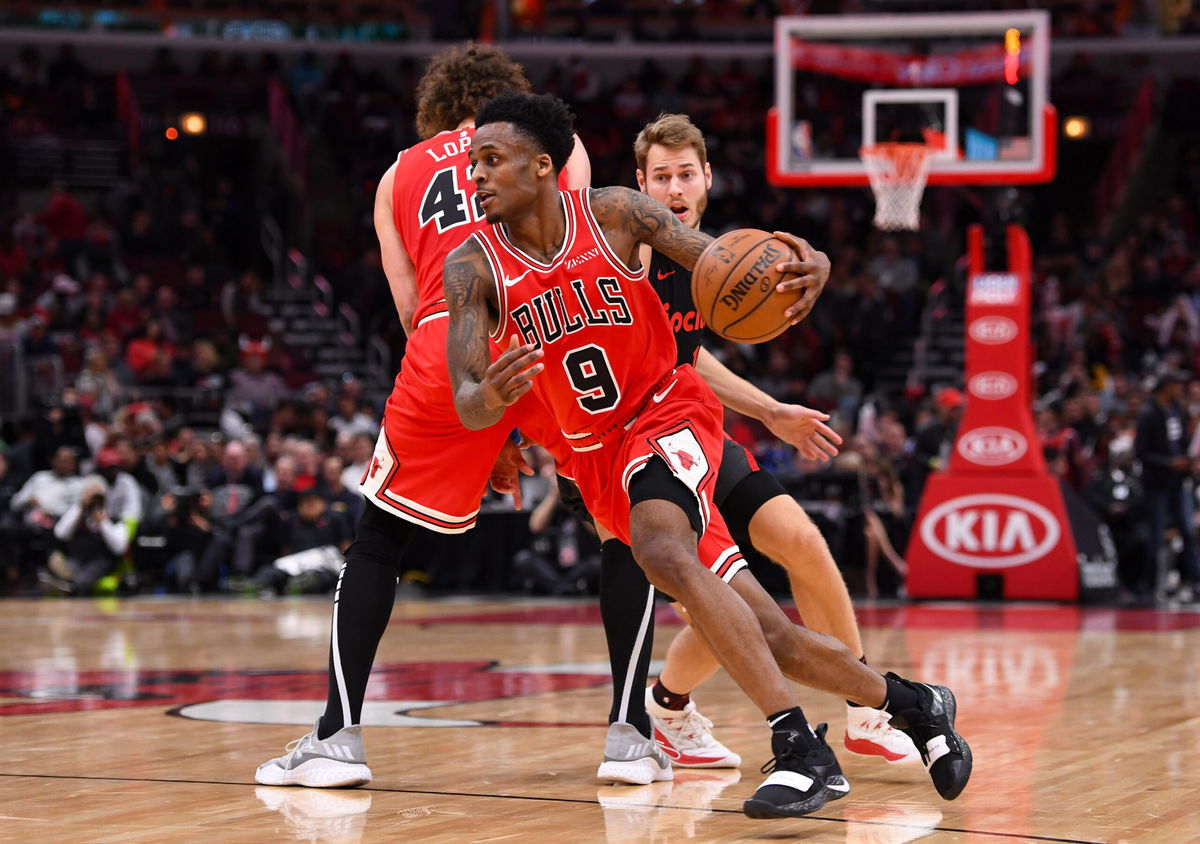
Mar 27, 2019; Chicago, IL, USA; Chicago Bulls guard Antonio Blakeney (9) dribbles the ball against the Portland Trail Blazers during the second half at the United Center. Mandatory Credit: Mike DiNovo-USA TODAY Sports
USA Today via Reuters
Mar 27, 2019; Chicago, IL, USA; Chicago Bulls guard Antonio Blakeney (9) dribbles the ball against the Portland Trail Blazers during the second half at the United Center. Mandatory Credit: Mike DiNovo-USA TODAY Sports
The margin for error in college hoops just shrank, and not because of a last-second buzzer-beater. Federal prosecutors unsealed an indictment on Jan. 15, exposing a sprawling point-shaving network that federal authorities say reached from the Chinese Basketball Association (CBA) into U.S. Division I programs.

The unsealed filings name roughly 20 defendants and identify 15 people who played for Division I programs as recently as the 2024–25 season. Among the names that grabbed headlines is Antonio Blakeney, the former LSU standout and ex-Chicago Bulls guard, who built a star-level reputation in the CBA, which the documents link to the scheme. The timeline in the indictment runs from September 2022 through February 2025.
Watch What’s Trending Now!
“The sportsbooks would not have paid out those wagers had they known that the defendants fixed those games,” the indictment says.
BREAKING: Former Chicago Bulls guard Antonio Blakeney is among 17 basketball players charged in an NCAA & Chinese Basketball Association point-shaving scheme to fix games.
The alleged scheme ran from September 2022 to February 2025 and defrauded various sportsbooks and… pic.twitter.com/vgPhCWpyJ6
— Courtside Buzz (@CourtsideBuzzX) January 15, 2026
Prosecutors say fixers first perfected the playbook in China, bribing players in the CBA to underperform, then placing bets off that insider manipulation before turning their attention to vulnerable college players in the U.S. Investigators allege the operation affected dozens of games across 17 programs and involved millions in illicit wagers. Bribe payments, the filings state, ranged from roughly $10,000 to $30,000 per game, sums that far exceed what many of these players could earn through legitimate NIL opportunities.
Two men identified as fixers in earlier probes, Marves Fairley and Shane Hennen, are described in the indictment as central architects who recruited players and coordinated bets. Several reporting outlets link Fairley and Hennen to earlier CBA activity and to recruiting U.S.-based players while operating out of China.
Blakeney’s alleged role and how it fits
Antonio Blakeney’s path checks several boxes that investigators say made him attractive to the operation: a high-profile college pedigree (LSU All-American), NBA experience with the Bulls, and a later breakout as a top scorer in the CBA.
Prosecutors allege Blakeney received payments to underperform in certain contests and then recruited teammates to do the same. The filings tie to point-shaving in both CBA and NCAA games. Reporting around the unsealed notes, some outlets treat Blakeney as a named defendant, while others say he’s “charged elsewhere” in related filings; the court documents themselves are the primary source for those specifics.
Blakeney was a star for the Tigers for two years before going undrafted in the 2017 NBA Draft. He signed a two-way contract with the Bulls after impressing in the Summer League. He spent most of his time with their G League affiliate, the Windy City Bulls. Blakeney was named the NBA G League Rookie of the Year after averaging 32.0 points, 6.7 rebounds, and 3.9 assists per game, while shooting 86.2% from the free throw line.
The Bulls released him in 2019, and that started his journey across the world. He became the CBA scoring champ in 2023, before winning the EuroCup Championship with Hapoel Tel Aviv last year.
This match-fixing case is not an isolated oddity. It surfaces at the intersection of legalized sports betting’s explosive growth, uneven NIL income for many Division I players, and a small group of repeat fixers who have hopped between leagues to exploit weak spots. Related federal investigations in recent years and NCAA sanctions already issued in prior betting probes create a pattern that argues this is a systemic integrity problem, not a one-off scandal.
Expect immediate fallout on several fronts: criminal prosecutions that could span districts and even countries, NCAA disciplinary action against implicated programs and athletes, and renewed pressure on sportsbooks and conferences to harden monitoring around props and first-half markets. For fans, the hard truth is simple: until betting markets, teams, and enforcement agencies close the gap, the temptation created by big illicit payouts will persist.
Written by

Edited by

Ved Vaze