
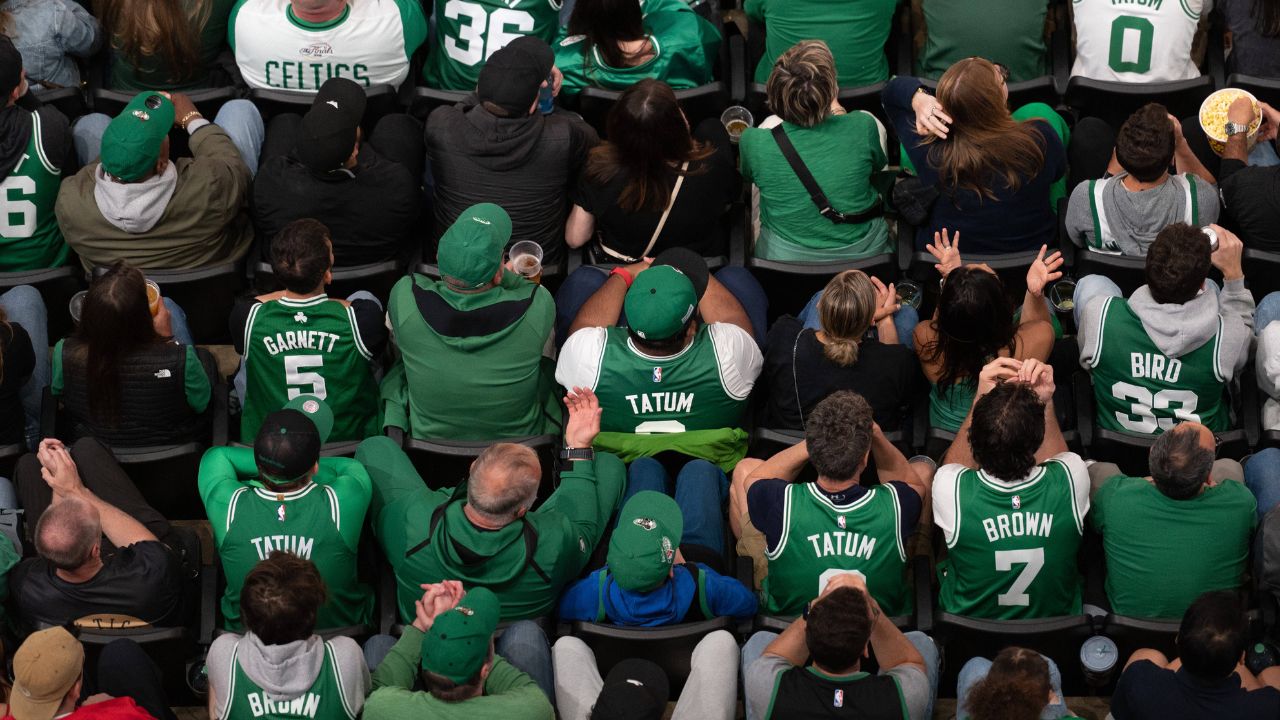
Boston Celtics owner Bill Chisholm has addressed the franchise’s long‑term venue situation, clarifying that owning an arena isn’t a strict prerequisite for financial competitiveness in today’s NBA. While the team’s lease at TD Garden runs through 2036, Chisholm emphasized that the priority is maintaining a world‑class facility for players and fans.
Watch What’s Trending Now!
Appearing on WEEI’s Greg Hill Show, Chisholm was asked whether the Celtics need their own arena to keep pace financially with rival markets. He drew a clear distinction between arena operations and team excellence.
“No, but I do think we need to have an arena that is consistent with the quality and the excellence of the Celtics. We need to create the best fan and player experience we can,” Chisholm said.
“Do we need to own the building to do that? No. But we certainly need to have the ability to influence that agenda. If we need to own the building, we’ll do that. But you’ve got to make sure you’re not losing focus of what matters. You’re in the business of running a world‑class basketball team that is putting up banners. That’s the true north,” he added.
Chisholm, who finalized a record‑breaking $6.1 billion sale of the Celtics in 2025, praised Delaware North, which owns and operates TD Garden, as a “really good partner” in a “really good location.” He reiterated that staying put remains the primary goal if alignment on upgrades continues.
TD Garden’s Historical Significance
TD Garden opened in 1995 as the FleetCenter, making it the seventh‑oldest active NBA arena, newer than Madison Square Garden (1968) but older than most modern venues. Among Boston’s sports landmarks, it sits between Fenway Park (1912) and Gillette Stadium (2002) in age.
When TD Garden opened, the NBA was entering a new era. Larry Bird’s rivalry with Magic Johnson had already transformed basketball into must‑watch TV, and Michael Jordan’s titles were drawing record audiences. By then, even the Bulls had moved from Chicago Stadium to the United Center, and the old Boston Garden hosted one of its final games during Jordan’s 1995 comeback.
TD Garden has since become synonymous with Celtics championships in 2008 and 2024, carrying deep sentimental value for New England’s fanbase.
Because the Celtics lease TD Garden, Delaware North retains profits from non‑Celtics events such as concerts, ice shows, and other entertainment, along with significant portions of parking, concessions, and premium seating revenues.
Teams that own their arenas — like the Los Angeles Clippers at Intuit Dome, Golden State Warriors at Chase Center, and Milwaukee Bucks at Fiserv Forum — capture year‑round venue revenue. These independent income streams provide crucial financial insulation, especially under the NBA’s new second‑apron restrictions.
The Celtics remain under lease through 2036, but Chisholm’s comments signal that ownership is monitoring facility upgrades closely. Whether through negotiated changes with Delaware North or an eventual standalone venue, the franchise is keeping arena strategy firmly on the table.