
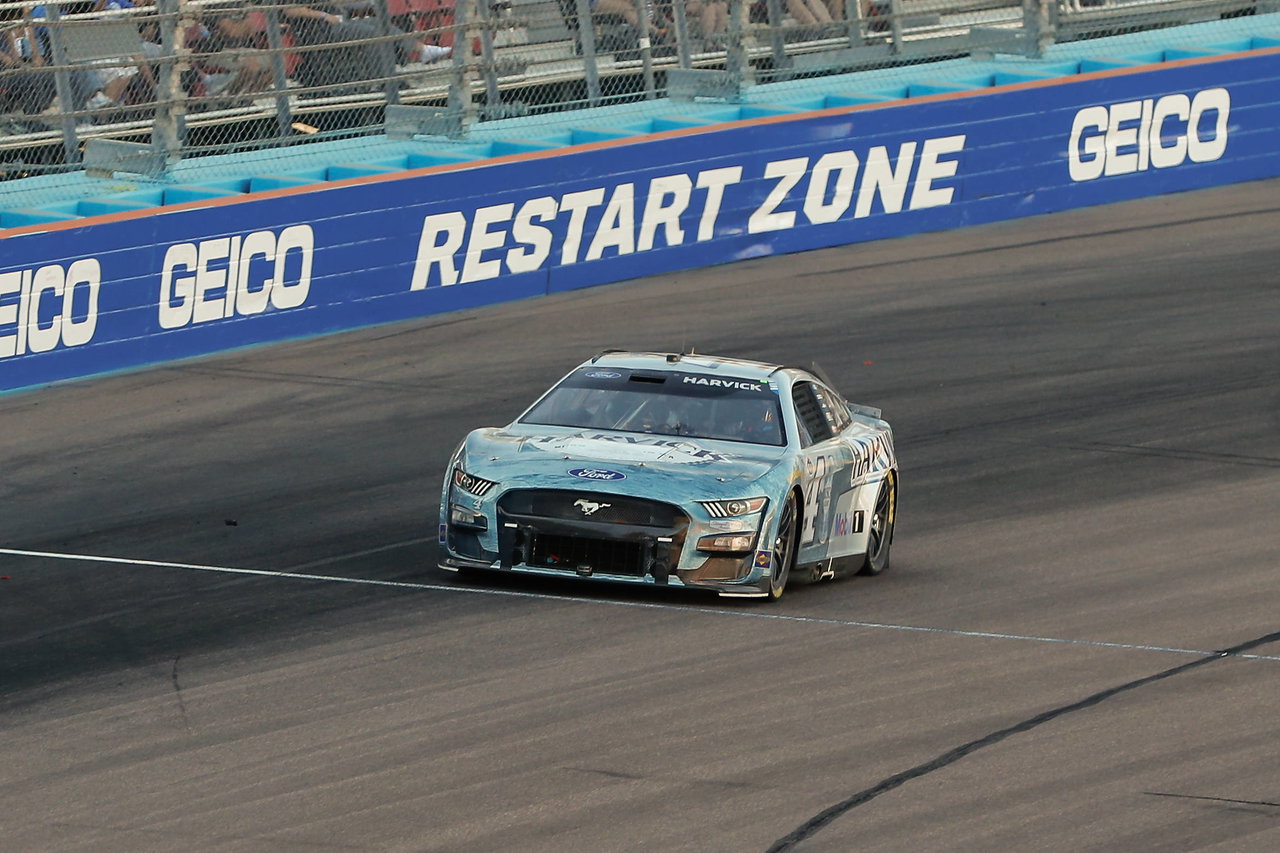
Back in the 1960s, a well-known Ford dealer named Bob Tasca Sr. created a simple rule for racing. He said, “Win on Sunday, sell on Monday”. For many years, Ford proved this rule was true. With 751 total wins in the NASCAR Cup Series, Ford built a huge racing history. But the company did not just race to win trophies. They used the racetrack to sell cheap, everyday cars that normal families could afford. This idea created a very strong bond between working-class fans and their local car dealers.
Watch What’s Trending Now!
But now, Ford is changing its business plan. The company is walking away from its cheap, everyday cars. Now, they only want to make expensive off-road trucks and electric vehicles (EVs).
Jim Farley, the CEO of Ford, made this new plan very clear. In 2025, he said he wants Ford to become the “Porsche of off-road”. This means he wants the company to stop making basic, everyday cars and focus only on building exciting, high-priced lifestyle vehicles.
“We play only where we have real competitive advantage, or we can build one, and we’re ruthless about where we put our money,” Farley said. “Every dollar must earn durable returns and drive profitable growth.”
As consumers shift from sedans to SUVs and EVs, Ford is abandoning its affordable lineup. Ford dealers are now operating without cars like the Escape SUV and Focus sedan, which once generated significant sales.
Over the full year of 2025, total Escape sales fell 5.1% to 139,387 units. During some parts of the year, sales dropped as much as 11%. Meanwhile, the full-size Ford Bronco was up by 33.7%. Previously, Ford dealers used to sell bulk orders of the Escape SUV or Focus Sedans. But they are now being phased out to tackle the shift in consumers’ purchasing habits.
A report by The Wall Street Journal stated that a decade ago, a Ford SUV would cost less than $15,000, with options priced within the $20,000 range. Today, the cheapest Ford SUV costs at least $30,000. This change matches Ford’s new plan in NASCAR.
Ford executive Matt Simpson saw this shift firsthand in Michigan. There he watched a long line of big, custom off-road SUVs show off at the track. These were customized vehicles with paint jobs, high horsepower, and upgrades. And these are the sort of packages that could drive Ford’s strategic business decisions. But average NASCAR fans seeking affordable sedans and hatchbacks will find Ford’s showroom increasingly bare.
Andrew Frick, a top executive for Ford’s gas and electric divisions, admitted that cheap cars just do not make enough money anymore.
“If I had to grade us in the years past, in the affordable space, we were average at both, and therefore it wasn’t a sustainable winning proposition,” Frick said.
However, Blue Ovals aren’t restricting themselves to these strategic changes. Rather, they are also trying to compete in the EV market.
The EV Push Has Failed to Win Over Fans in NASCAR
Instead of cheap gas cars, Ford is putting its money into electric vehicles. They are planning to roll out 30,000 EV trucks, and they are prepared to go against the EV giants like Tesla.
“Our expectation is to compete not with some of the, you know, average EV players, but with the Teslas of the world,” Frick added.
We’ve seen a similar approach taking shape in NASCAR. All three OEMs, Chevrolet, Toyota, and Ford, worked together with NASCAR to develop a CUV prototype.
NASCAR displayed the prototype at the Chicago Street race and reportedly considered replacing the V8 engine with electric powertrains. NASCAR even considered fielding electric cars in its second-tier O’Reilly Auto Parts Series. But the pushback from the fans and the prominent voices of the sport was strong.
“A switch to anything unlike what we have would be a massive, massive mistake. We’re going up, right? Things are going well. We got a great TV partner. We have great numbers. We got great fan engagement. I think any kind of a change like that, dramatic as that would be, would destroy the series as we know it,” Dale Earnhardt Jr. said in response.
Fans agree with Dale Jr. They want loud V8 engines and cars that look like the ones they drive every day.
EVs in NASCAR haven’t been an acceptable idea, but it looks like Ford is willing to take the bet to reinvent themselves. It will be interesting to see how their plan unfolds, but as of now it looks like a big gamble.