
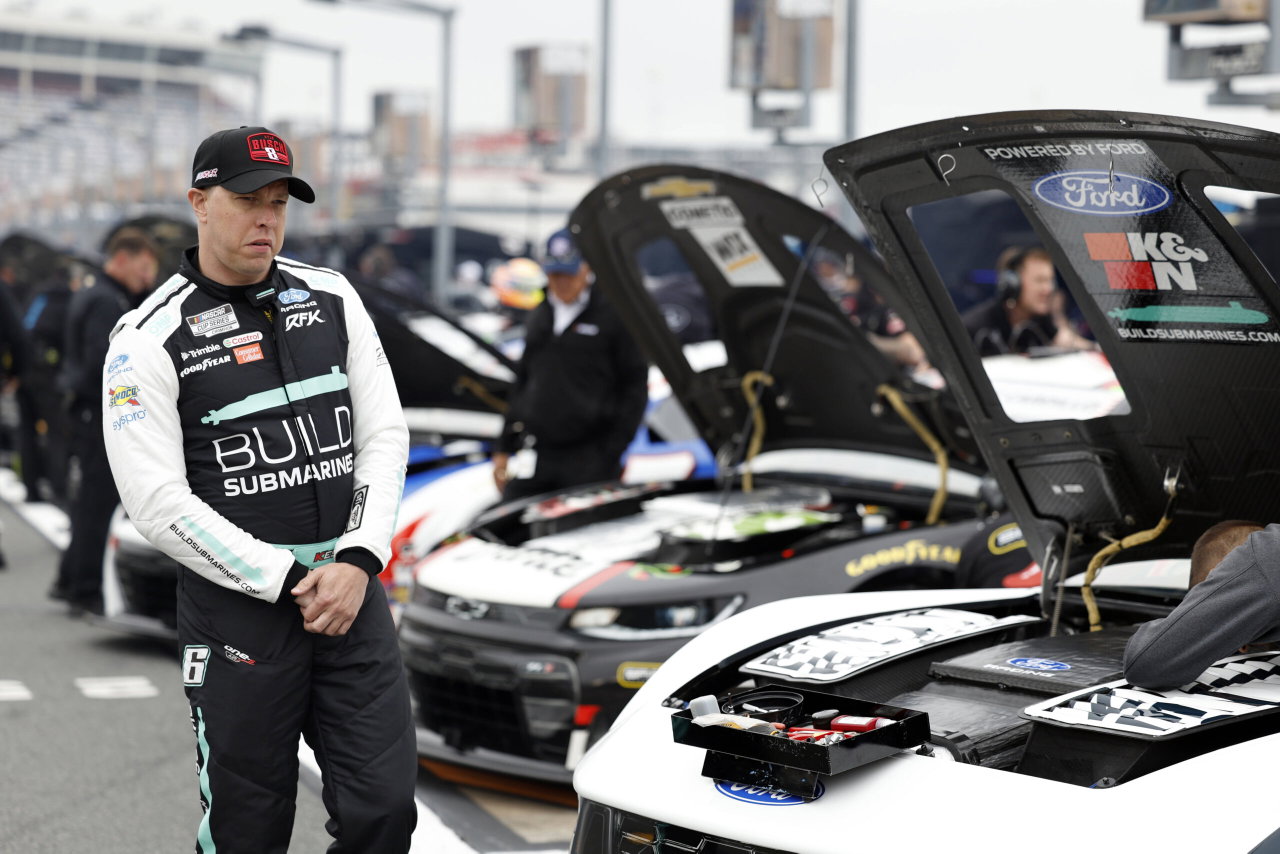
RFK Racing proved it was ready to expand earlier this year. The team successfully brought back the legendary No. 99 Ford for the 2026 Daytona 500 with veteran Corey LaJoie behind the wheel. That move immediately sparked questions about whether the team would field a fourth car for more races this season or next. According to RFK co-owner Brad Keselowski, the team is prepared to put another car on the track. However, one massive roadblock still stands in their way.
Watch What’s Trending Now!
Brad Keselowski’s fourth car dream run into a financial hurdle
“Yeah, we want to run the fourth car this year, at least half a dozen races, and same thing next year. But funding is the key aspect of it. We haven’t been able to generate the interest for the funding if it comes up. We have drivers and personnel ready to go to run a fourth car.”
Those comments from Brad Keselowski made one thing clear. RFK Racing doesn’t have a shortage of people or preparation. The organization already has crew members ready to go. They also have a short list of potential drivers lined up.
“We have a number of drivers that we’ve engaged with and have interest.”
Adding another car to a modern NASCAR Cup Series lineup is incredibly expensive. Teams cannot simply build a chassis and show up. Extra entries require millions of dollars in sponsorship to cover travel, equipment, tire bills, and crew salaries. Even an established team like RFK must lock down guaranteed funding before committing to a part-time schedule.
This explains why Keselowski explicitly identified sponsorship as the missing component.
Funding, however, isn’t the only challenge RFK Racing is managing. In order to sustain Ryan Preece’s No. 60 Ford Mustang in the long run, the organization is now on the market for a third permanent NASCAR Cup Series charter. Rick Ware Racing has been leasing a charter to RFK. However, that contract expires after the 2026 season, and Legacy Motor Club will take over the charter starting in 2027.
Keselowski has previously stated that RFK Racing is willing to keep fielding the No. 60 as an unchartered “open” entry if another charter doesn’t become available for purchase before then. Racing without a charter removes guaranteed payout money and makes sponsorship backing even more critical for survival.
For now, the blueprint for a fourth RFK Racing entry is already in place. The team knows exactly where it wants to compete, the staff is prepared, and the drivers are interested. Finding a partner who is willing to sponsor the program is the last step. Fans might not have to wait long for another RFK Ford to be on the Cup Series grid if that happens soon.