
A sim rig can copy a racetrack down to the last bump. It cannot copy the shove of the draft at Daytona, the shake through a real seat, or the cost of a mistake made at speed. One of the internet’s best-known sim racers is about to learn the difference.
Watch What’s Trending Now!
“BREAKING: Travis Brown, known online as “Moonhead,” is set to participate in the January ARCA Racing Series test at Daytona International Speedway with Clubb Racing Inc. He follows Cleetus McFarland and others who have moved from online content creation into the series in recent years.” The Downford wrote via their X account.
The outing is strictly a test. It does not confirm a race entry or a full-season commitment.
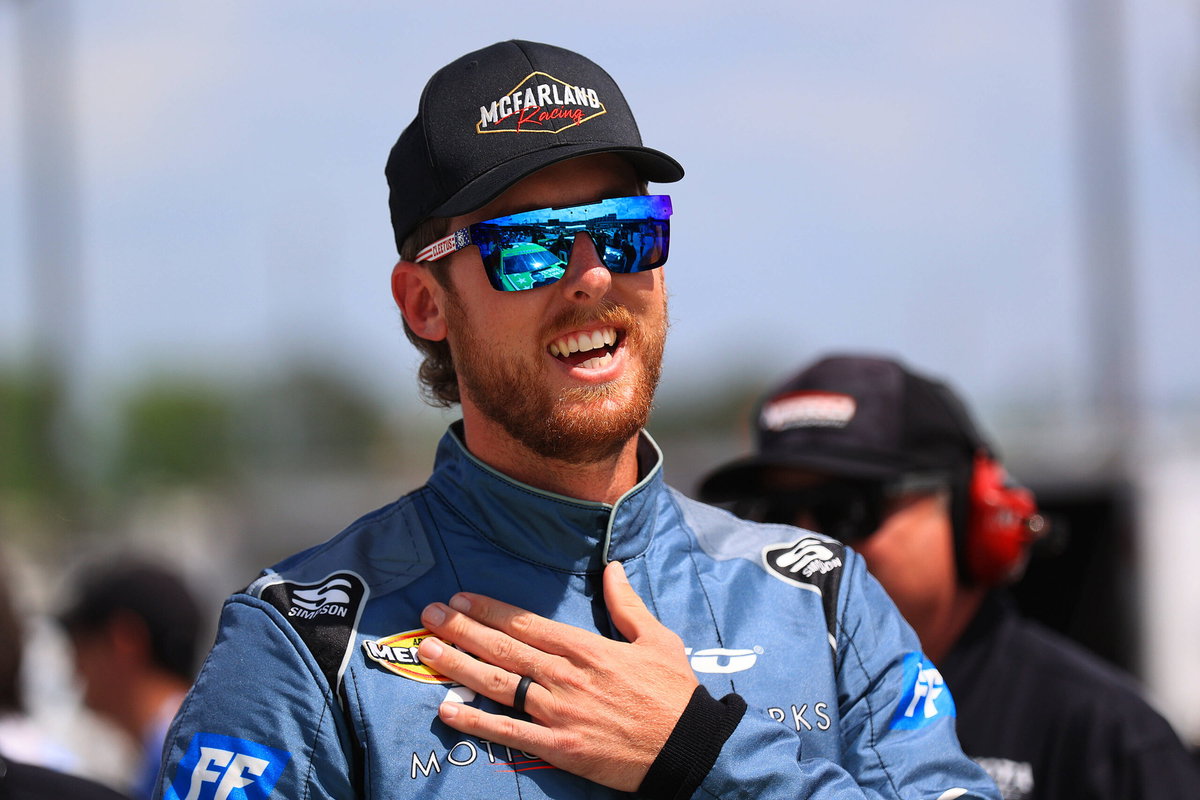
Garrett Mitchell, better known as Cleetus McFarland, built a substantial following through automotive content before moving into racing. He made his ARCA debut in 2025 with Rette Jones Racing, kept competing in the series in 2026, and appeared in NASCAR’s O’Reilly Auto Parts and Craftsman Truck Series.
In October 2026, Richard Childress Racing announced he would run full-time in the ARCA Menards Series in 2027, driving the No. 33 Chevrolet with Robert Strmiska as crew chief.
ARCA has long served as a proving ground for drivers heading toward NASCAR’s national series. That makes it a natural landing spot for creators who need real experience before bigger stages.
Richard Childress, who brought McFarland into RCR’s lineup, pointed to the creator’s nearly five million followers and the spectators he drew at Rockingham. He hopes that presence introduces more people to NASCAR.
Ahead of McFarland’s O’Reilly Auto Parts Series debut there, veteran crew chief Childers told Motorsport.com, “We need the publicity, and we need the personalities.”
Justin Allgaier echoed that sentiment, saying, “I think it’s cool that he’s doing it. It brings eyeballs to our sport, and I think we could always use more of those.”
The message from the veterans is consistent. McFarland is bringing more eyes to NASCAR and opening the door to a broader, younger audience. Fans raised on YouTube, social feeds and creator channels, rather than traditional race broadcasts, now have a driver they already trust to follow.
His climb through the ranks gives them a reason to keep watching a developmental series many of them might never have sampled.
NASCAR has seen this pattern before. Travis Pastrana came from action sports and rally racing and started the 2013 Daytona 500, drawing fans who rarely followed stock cars. Danica Patrick moved over from IndyCar and became one of the sport’s most marketable names during her Cup run.
Both showed that fame from outside the garage can open doors and fill grandstands. Neither could skip the learning curve once the green flag dropped.
Sim racing’s route to real cars is not new either. William Byron sharpened his skills on iRacing as a teenager and now drives for Hendrick Motorsports. But Byron climbed the traditional ladder. Brown arrives with an audience rather than a resume of real-world starts, the same position McFarland once held.
Daytona’s speed and pack racing will test a driver who has so far made his name on a screen. Brown must adapt to the car, communicate with the Clubb Racing Inc. crew and absorb what the day teaches him. Seat time is valuable, but regular competition demands more: budget, preparation and results.
There is no indication Brown is following McFarland’s exact path. Still, the comparison is hard to avoid, because McFarland has shown how a creator’s audience can follow a driver from the couch to the grandstand.
If Brown’s first laps go well, the Moonhead audience may do the same. For now, one January test is a first step, and the series will be watching what comes next.