Imago
Credits: IMAGO
Imago
Credits: IMAGO
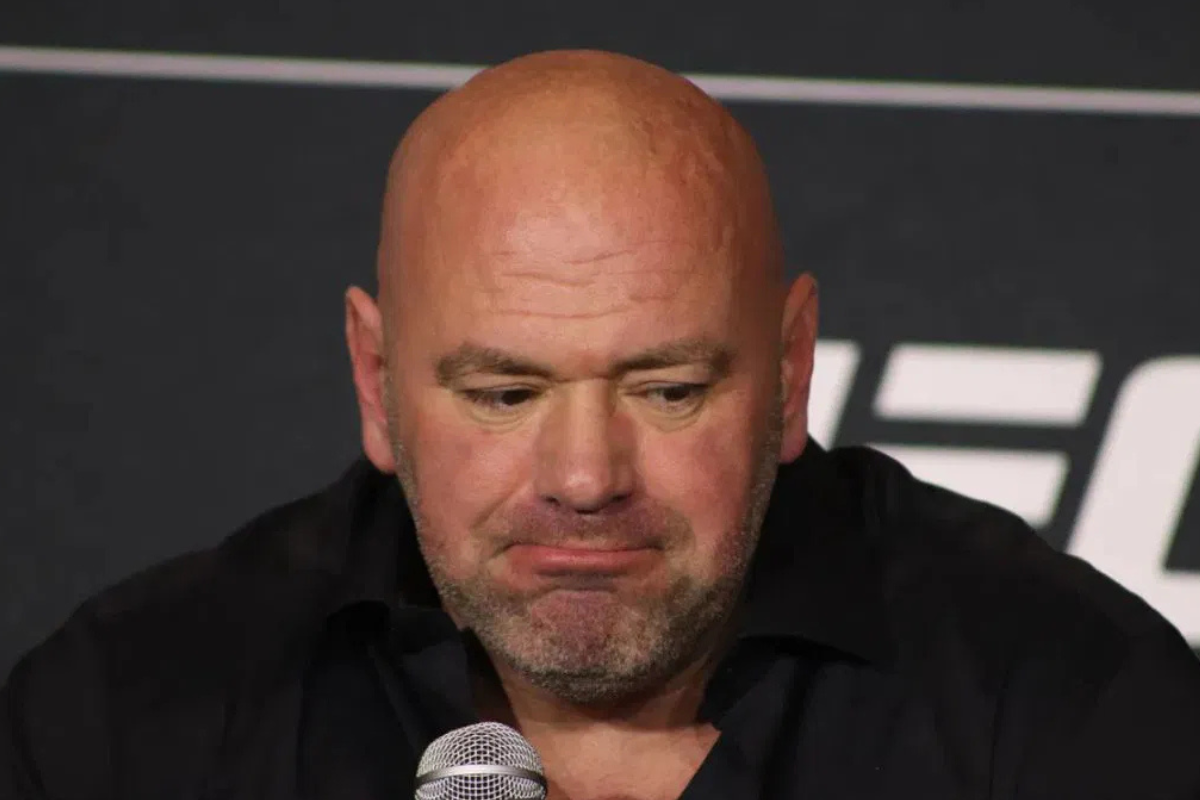
What’s your favorite race? Maybe the Great American Race or something else entirely? For Dana White, the answer wasn’t obvious. Even with the Daytona 500 in the mix, he chose a different path, valuing his personal memories over popular debate.


Dana White bypasses legacy picks for a deeply personal answer
Watch What’s Trending Now!
On Speed on FOX with Kevin Harvick, the NASCAR novice yet sports enthusiast, Dana White, when asked about the biggest race in the sport, narrowed it down to an unexpected answer.
“I mean, I hear about Daytona, I hear about Talladega. Yeah I’d say Talladega.”
Dana, compelled by his emotions, detailed the premise of his choice, recounting memories of his favorite track.
Daytona? Indy? Talladega? What’s the biggest race in the world?@KevinHarvick asks race fan @danawhite to make a pick. 🏁 pic.twitter.com/UaIlxldGTJ
— SPEED on FOX (@SPEEDonFOX) April 3, 2026
“The experience that me and my kids had… was incredible,” he said. “It was one of those things that, you know, I’ll never forget. I’ll never forget it.” He doubled down on his nostalgia, stating, “It was that just type of experience.”
By choosing Talladega, White didn’t go the conventional road, where the Daytona 500 is considered the Super Bowl of racing. He was content with his unpopular answer.
To draw more upon his memories, he went right back to a universal experience. We all remember our first drink, and for him, that lands right in the middle of it all. “The first time I drank moonshine was at Talladega,” he said, almost like a punchline to the story.
This detail seemed to tell more about his passion for racing and his growing attachment to it, far more than any lap counts or history ever could. The memories in Dana’s mind were deeper than cars racing on the tarmac on the 2.66-mile tri-oval or the steep 33-degree banking, but drawn instead from the chaos, the crowd, the stands, and the night that sticks in your memory forever, long after the engines go quiet.
Talladega culture exposes the split between NASCAR’s polished image and its raw fan identity
Talladega is not just another stop in NASCAR’s busy schedule. It is NASCAR’s longest oval, one that has, in itself, promoted the Boulevard as a signature part of the race weekend. Like a breath of fresh air, in 2026, the speedway once again announced that the infield RV camping space was sold out for the spring weekend, underscoring that, for this track, the off-track culture simply means a lot.
The contrast, however, is where this story gets interesting. In recent years, NASCAR has tried to position itself as a more family-friendly and polished organization. Talladega itself was part of that effort, investing roughly $50 million into its “Transformation” project, adding a Garage Fan Zone, upgraded amenities, and closer but more curated fan access.
Imago
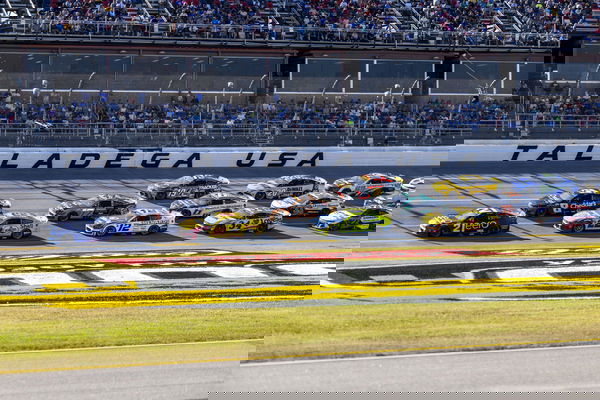
NASCAR, Motorsport, USA NASCAR Cup Series Playoff Race at Talladega Oct 19, 2025 Talladega, Alabama, USA NASCAR Cup Series driver Josh Berry 21 leads Kyle Busch 8 and Joey Logano 22 during stage two of the YellaWood 500 at Talladega Superspeedway. Talladega Talladega Superspeedway Alabama USA, EDITORIAL USE ONLY PUBLICATIONxINxGERxSUIxAUTxONLY Copyright: xVashaxHuntx 20251019_rwe_hd1_0187
Yet the track’s brand was built way before NASCAR’s “rebrand.” Sports commentators often describe the track as known for its excess, weird traditions, and unforgettable behavior. And maybe that’s why Dana White drew special reference to this track, for Talladega sells something better than almost any track in America: memory, spectacle, and disorder.
However, there exists a deeper layer. NASCAR has tried to distance itself from its “good ol’ boy” image. The sanctioning body, back in 2020, banned the Confederate flag from all races and venues, taking a break from a longstanding Southern tradition. Yet in the same year, several reports showed Confederate flags still waving outside the Talladega race weekend.
This makes the dichotomy between the newer, more refined NASCAR and legacy tracks like Talladega Superspeedway more apparent. The decision as to what is right is left to sports fans across the continent, yet one thing seems clear: that no matter how hard NASCAR tries, sometimes it is difficult, almost impossible, to rid its famous venues of the unruly, culturally loaded yet loved image that they still carry and that built the fanbase in the first place.
Written by

Edited by

Suyashdeep Sason